









EBOOK IN LINGUA STRANIERA





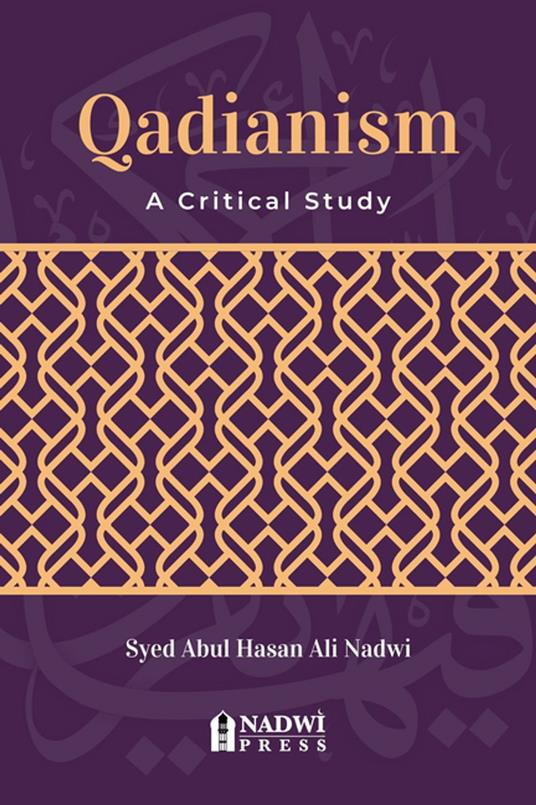
Qadianism - A Critical Study

9,56 €
+100
punti 

Venditore: Feltrinelli

Acquisto online
Scaricabile subito
Articolo acquistabile con Carta del Docente

Articolo acquistabile con Carta Cultura Giovani e Carta del Merito

Abbonati a Kobo plus per avere accesso illimitato a questo contenuto

Dati e Statistiche
 Salvato in 0 liste dei desideri
Salvato in 0 liste dei desideri
Qadianism - A Critical Study
Scaricabile subito
9,56 €
9,56 €
Scaricabile subito
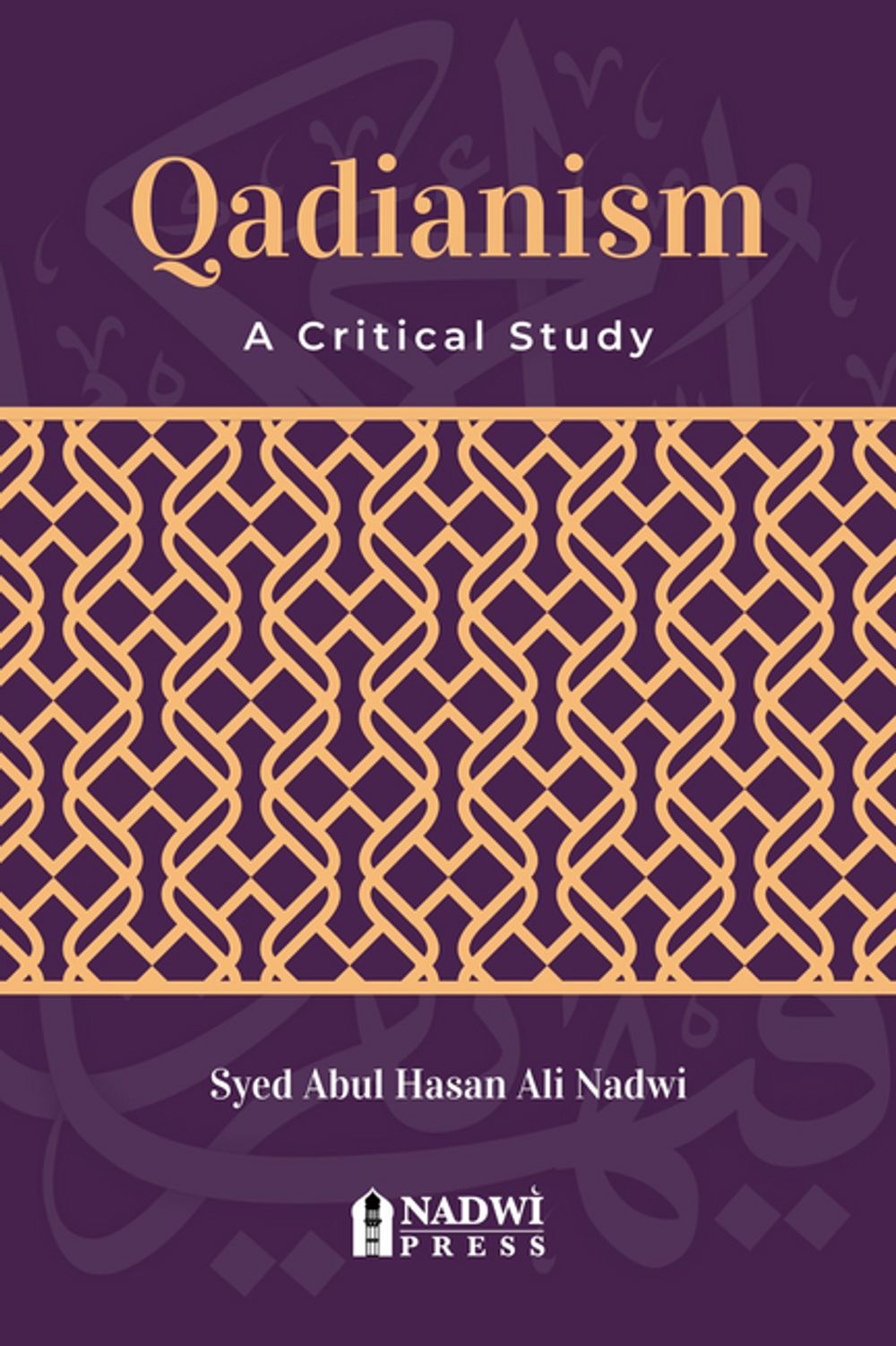




A Landmark Study of Islamic Sectarianism and Religious Authority First published in Arabic as al-Qadiyani wa al-Qadyaniyah and later expanded in Urdu, this scholarly work by Maulana Abul Hasan Ali Nadwi remains one of the most comprehensive examinations of the Ahmadiyya/Qadiani movement from an orthodox Sunni Islamic perspective. Written with historical objectivity and extensive documentation, this study traces the emergence, evolution, and theological claims of a movement that has profoundly impacted Muslim communities worldwide. What This Book Examines: Nadwi meticulously analyzes the life and claims of Mirza Ghulam Ahmad (1839-1908), founder of the Ahmadiyya movement in 19th-century British India. Drawing extensively from the founder's own writings, the author examines: The historical and political context of colonial India that facilitated the movement's emergence The gradual evolution of Mirza Ghulam Ahmad's claims—from Islamic reformer to Promised Messiah to prophet Theological arguments surrounding the finality of prophethood (Khatm al-Nubuwwah) in Islamic doctrine The movement's relationship with British colonial authorities and its stance on jihad Internal divisions within the Ahmadiyya community (Qadiani and Lahori branches) The broader implications for Islamic unity and identity The Author's Approach: Nadwi employs a historian's methodology, examining primary sources and the founder's own extensive writings rather than relying on secondary accounts or polemical literature. He contextualizes the movement within the intellectual and political turbulence of 19th-century Muslim India, when the community faced British colonialism, Christian missionary activities, and internal reform movements. While maintaining his theological position as an orthodox Sunni scholar, Nadwi attempts to present the movement's development chronologically and systematically, allowing readers to trace its doctrinal trajectory from its inception through its establishment as a distinct religious community. Scholarly Significance: This work addresses fundamental questions about religious authority, prophetic succession, and community boundaries in Islam. It examines how new religious movements emerge within established traditions and how communities navigate questions of orthodoxy and heresy. The study remains relevant for understanding: Modern Islamic sectarian debates and identity formation The intersection of religion and politics in colonial contexts Comparative perspectives on new religious movements Intra-Islamic theological controversies South Asian Muslim intellectual history Who This Book Is For: Essential reading for students and scholars of Islamic studies, religious studies, and South Asian history. Valuable for Muslim readers seeking to understand the theological basis for mainstream Islam's rejection of Ahmadiyya claims. Important for academics studying sectarianism, new religious movements, and the dynamics of religious authority. Critical for library collections in Islamic theology, comparative religion, and modern religious history. About This Edition: This reissue makes available a foundational text that has shaped Muslim scholarly discourse on the Ahmadiyya question for almost a century. The translation by Zafar Ishaq Ansari preserves the scholarly rigor of the original while making it accessible to English-language readers. Note to Readers: This work represents the orthodox Sunni perspective on a controversial theological dispute. Readers seeking comprehensive understanding should engage with materials representing multiple viewpoints within this debate.
-
Autore:
-
Traduttore:
-
Anno edizione:2025
-
Editore:
-
Formato:
Lingua:
Inglese
Compatibilità:
Tutti i dispositivi (eccetto Kindle) Scopri di più
Layout:
Reflowable
EAN:
9789366083070
Formato:
Gli eBook venduti da Feltrinelli.it sono in formato ePub e possono essere protetti da Adobe DRM. In caso di download di un file protetto da DRM si otterrà un file in formato .acs, (Adobe Content Server Message), che dovrà essere aperto tramite Adobe Digital Editions e autorizzato tramite un account Adobe, prima di poter essere letto su pc o trasferito su dispositivi compatibili.
Cloud:
Gli eBook venduti da Feltrinelli.it sono sincronizzati automaticamente su tutti i client di lettura Kobo successivamente all’acquisto. Grazie al Cloud Kobo i progressi di lettura, le note, le evidenziazioni vengono salvati e sincronizzati automaticamente su tutti i dispositivi e le APP di lettura Kobo utilizzati per la lettura.
Clicca qui per sapere come scaricare gli ebook utilizzando un pc con sistema operativo Windows
