









EBOOK IN LINGUA STRANIERA





Battle of the Atlantic 1942–45

12,99 €
+130
punti 

Venditore: Feltrinelli

Acquisto online
Scaricabile subito
Articolo acquistabile con Carta del Docente

Articolo acquistabile con Carta Cultura Giovani e Carta del Merito

Dati e Statistiche
 Salvato in 0 liste dei desideri
Salvato in 0 liste dei desideri
Battle of the Atlantic 1942–45
Scaricabile subito
12,99 €
12,99 €
Scaricabile subito
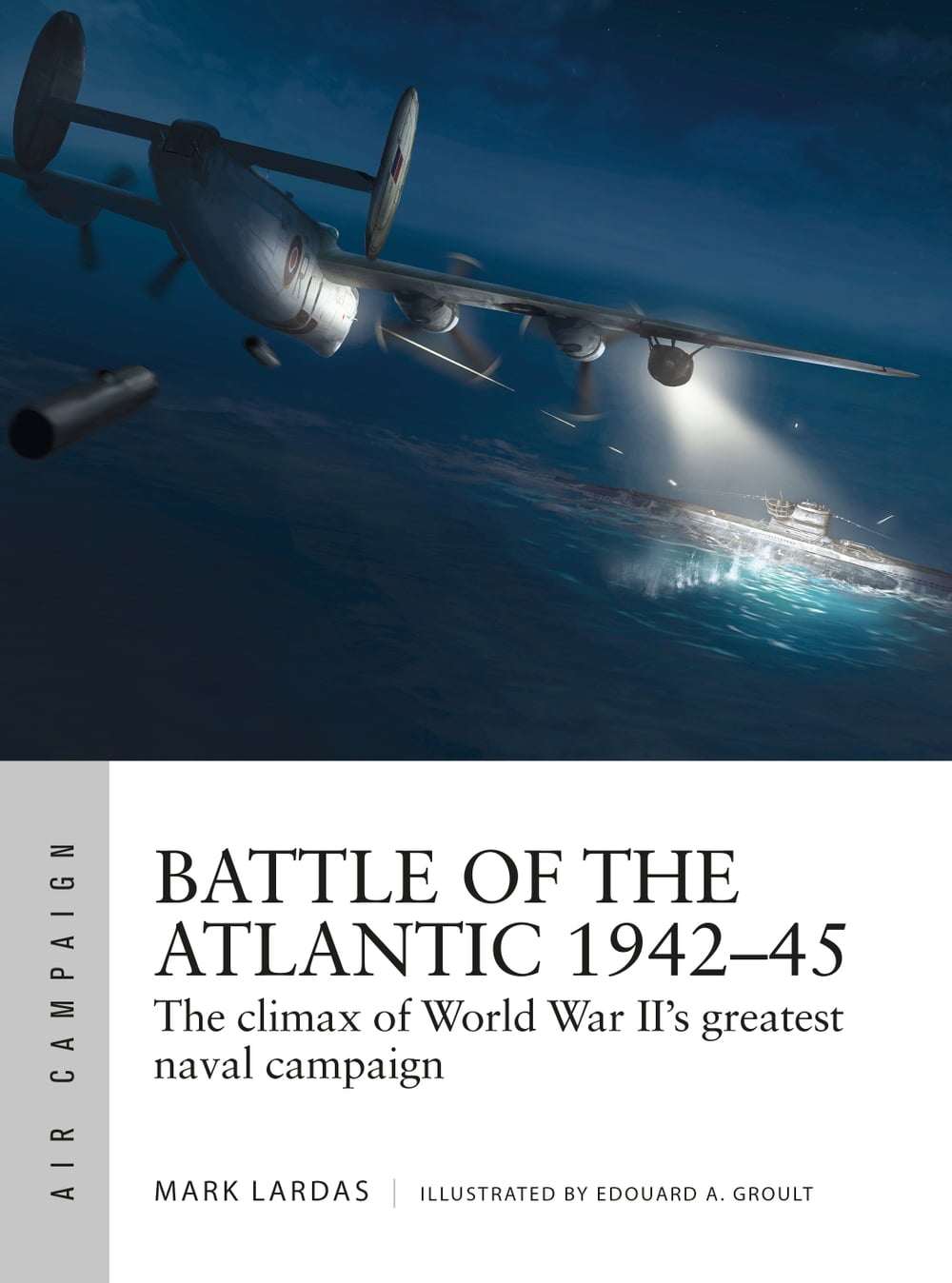




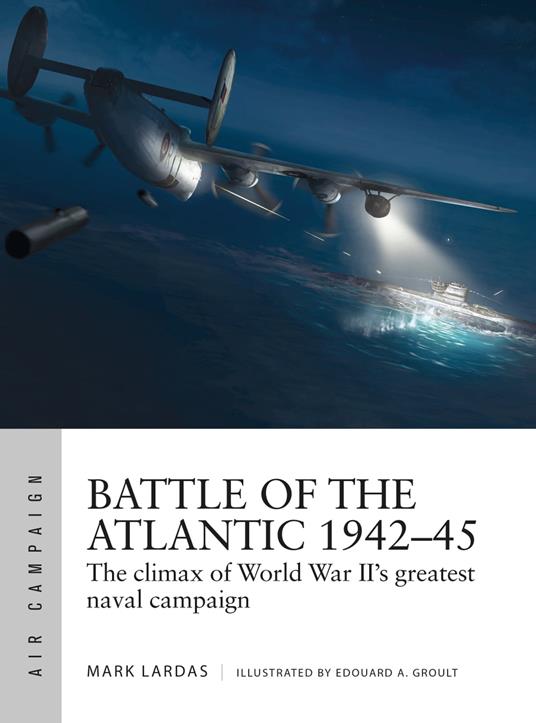
This illustrated study explores, in detail, the climactic events of the Battle of the Atlantic, and how air power proved to be the Allies' most important submarine-killer in one of the most bitterly fought naval campaigns of World War II. As 1942 opened, both Nazi Germany and the Allies were ready for the climactic battles of the Atlantic to begin. Germany had 91 operational U-boats, and over 150 in training or trials. Production for 1942–44 was planned to exceed 200 boats annually. Karl Dönitz, running the Kriegsmarine's U-boat arm, would finally have the numbers needed to run the tonnage war he wanted against the Allies. Meanwhile, the British had, at last, assembled the solution to the U-boat peril. Its weapons and detection systems had improved to the stage that maritime patrol aircraft could launch deadly attacks on U-boats day and night. Airborne radar, Leigh lights, Magnetic Anomaly Detection (MAD) and the Fido homing torpedo all turned the anti-submarine warfare (ASW) aircraft into a submarine-killer, while shore and ship-based technologies such as high-frequency direction finding and signals intelligence could now help aircraft find enemy U-boats. Following its entry into the war in 1941, the United States had also thrown its industrial muscle behind the campaign, supplying VLR Liberator bombers to the RAF and escort carriers to the Royal Navy. The US Navy also operated anti-submarine patrol blimps and VLR aircraft in the southern and western Atlantic, and sent its own escort carriers to guard convoys. This book, the second of two volumes, explores the climactic events of the Battle of the Atlantic, and reveals how air power – both maritime patrol aircraft and carrier aircraft – ultimately proved to be the Allies' most important weapon in one of the most bitterly fought naval campaigns of World War II.
-
Autore:
-
Anno edizione:2021
-
Editore:
-
Formato:
-
Lingua:Inglese
Compatibilità:
Tutti i dispositivi (eccetto Kindle) Scopri di più
Layout:
Reflowable
EAN:
9781472841544
Formato:
Gli eBook venduti da Feltrinelli.it sono in formato ePub e possono essere protetti da Adobe DRM. In caso di download di un file protetto da DRM si otterrà un file in formato .acs, (Adobe Content Server Message), che dovrà essere aperto tramite Adobe Digital Editions e autorizzato tramite un account Adobe, prima di poter essere letto su pc o trasferito su dispositivi compatibili.
Cloud:
Gli eBook venduti da Feltrinelli.it sono sincronizzati automaticamente su tutti i client di lettura Kobo successivamente all’acquisto. Grazie al Cloud Kobo i progressi di lettura, le note, le evidenziazioni vengono salvati e sincronizzati automaticamente su tutti i dispositivi e le APP di lettura Kobo utilizzati per la lettura.
Clicca qui per sapere come scaricare gli ebook utilizzando un pc con sistema operativo Windows
