









EBOOK IN LINGUA STRANIERA





The Bridge to Airpower

33,69 €
+340
punti 

Venditore: Feltrinelli

Acquisto online
Scaricabile subito
Articolo acquistabile con Carta del Docente

Articolo acquistabile con Carta Cultura Giovani e Carta del Merito

Dati e Statistiche
 Salvato in 0 liste dei desideri
Salvato in 0 liste dei desideri
The Bridge to Airpower
Scaricabile subito
33,69 €
33,69 €
Scaricabile subito

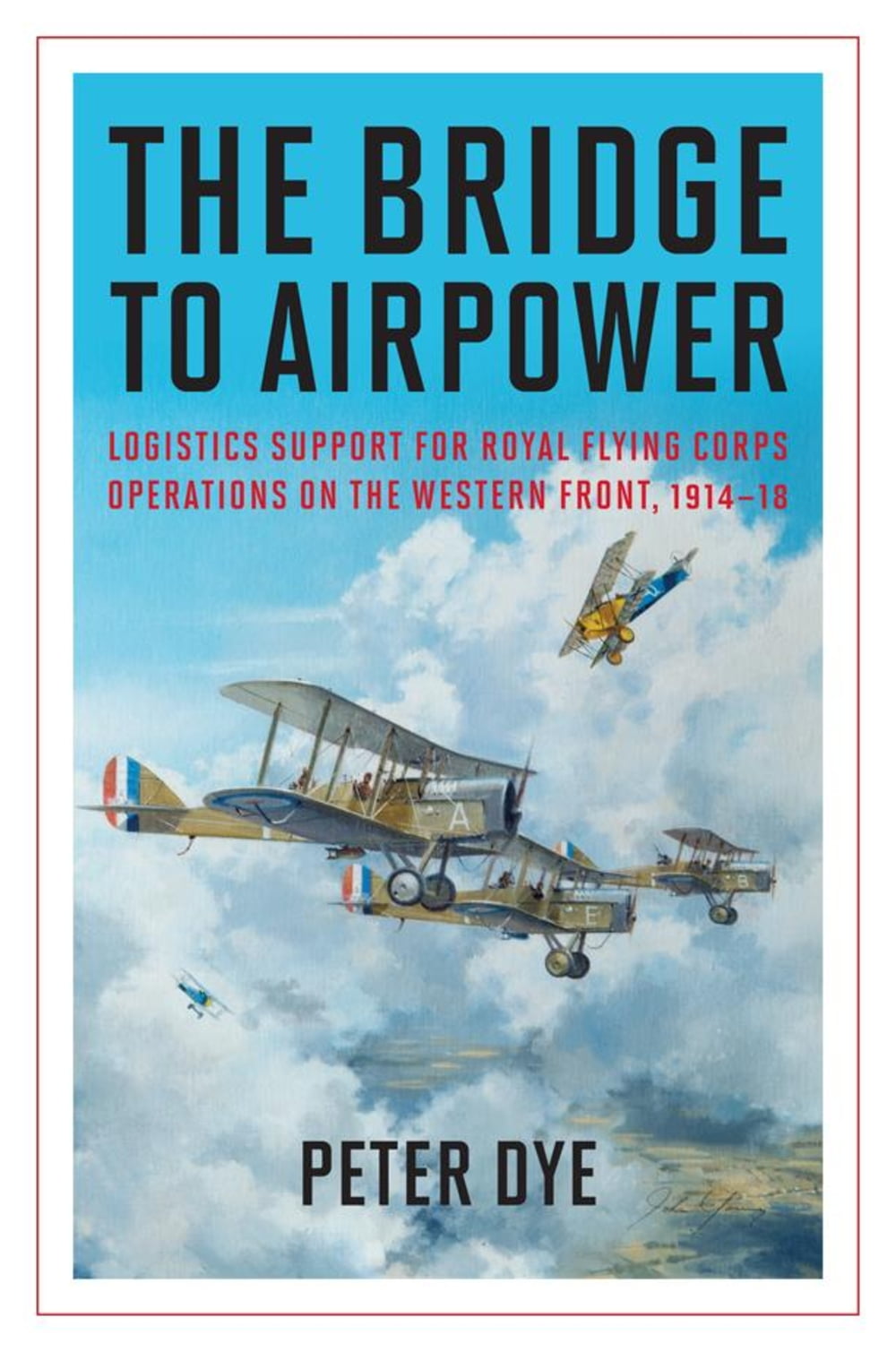




In the latest addition to the History of Military Aviation series, Peter Dye describes how the development of the air weapon on the Western Front during World War I required a radical and unprecedented change in the way that national resources were employed to exploit a technological opportunity. World War I has long been recognized as an industrial war that consumed vast amounts of materiel and where logistical superiority gave the Allies an overwhelming advantage. The Bridge to Air Power is the first study that demonstrates how logistical competence provided a war-winning advantage for the Royal Flying Corps, the precursor to the Royal Air Force. It draws on a wide range of literature and original material to quantify these achievements while providing a series of illuminating case studies based around key battles. In particular, it highlights how the Royal Flying Corps’ logistical organization was able to maintain high levels of resilience and agility while sustaining military outputs under widely different operational conditions —successfully introducing many of the techniques that now comprise modern supply chain management. A variety of logistic techniques were pioneered including, supply chain integration, strategic warehousing, velocity management, postponement and make-to-order, new product introduction, international sourcing, hybrid and reverse logistics. In creating the foundation for three-dimensional warfare, logistics became the bridge between the nation’s economy and air power. The principles developed on the Western Front to achieve air superiority provided the foundation for Royal Air Force logistic and operational success in the Second World War as well as anticipating the management practices that underpin today’s global supply chain.
-
Autore:
-
Anno edizione:2015
-
Editore:
-
Formato:
-
Lingua:Inglese
Compatibilità:
Tutti i dispositivi (eccetto Kindle) Scopri di più
Layout:
Reflowable
EAN:
9781612518404
Formato:
Gli eBook venduti da Feltrinelli.it sono in formato ePub e possono essere protetti da Adobe DRM. In caso di download di un file protetto da DRM si otterrà un file in formato .acs, (Adobe Content Server Message), che dovrà essere aperto tramite Adobe Digital Editions e autorizzato tramite un account Adobe, prima di poter essere letto su pc o trasferito su dispositivi compatibili.
Cloud:
Gli eBook venduti da Feltrinelli.it sono sincronizzati automaticamente su tutti i client di lettura Kobo successivamente all’acquisto. Grazie al Cloud Kobo i progressi di lettura, le note, le evidenziazioni vengono salvati e sincronizzati automaticamente su tutti i dispositivi e le APP di lettura Kobo utilizzati per la lettura.
Clicca qui per sapere come scaricare gli ebook utilizzando un pc con sistema operativo Windows
