










EBOOK IN LINGUA STRANIERA





The Effects and Implications of Kazakhstan’s Adoption of International Financial Reporting Standards

19,99 €
+200
punti 
Venditore: Feltrinelli

Acquisto online
Scaricabile subito
Articolo acquistabile con Carta del Docente

Articolo acquistabile con Carta Cultura Giovani e Carta del Merito

Dati e Statistiche
 Salvato in 0 liste dei desideri
Salvato in 0 liste dei desideri
The Effects and Implications of Kazakhstan’s Adoption of International Financial Reporting Standards
Scaricabile subito
19,99 €
19,99 €
Scaricabile subito

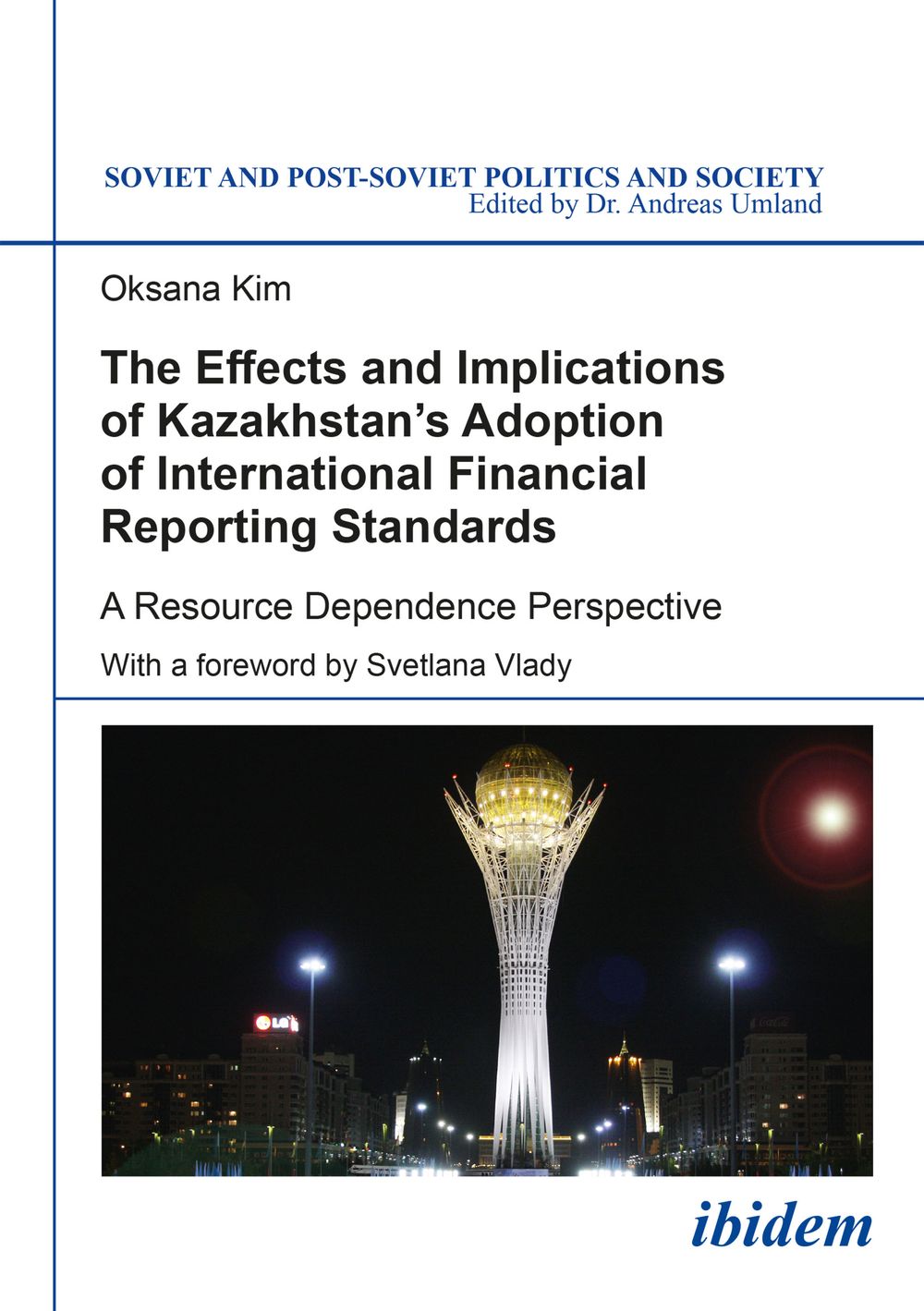




Despite having an underdeveloped supporting infrastructure and limited resources, Kazakhstan was the first CIS country to require IFRS in 2004 for banks, and in 2005 for all public companies. What were the economic consequences of this important reform? In the 1990s, Kazakhstan’s capital market reforms mirrored those of Russia due to the two countries’ cooperating mode driven by a high level of resource interdependence and environmental uncertainty, following the collapse of the Soviet Union. Yet, by 2003, dependence on external donors (IMF, World Bank) took precedence over interdependence with Russia. As a result, Kazakhstan unilaterally proceeded with adoption of IFRS, while Russia backed up from this initiative. This study reports that Kazakhstan’s inflow of Foreign Direct Investments was the greatest among the CIS nations following the adoption of IFRS. In addition, in 2005–11, Kazakhstani public firms’ reporting quality was higher than that of the Russian public firms operating in a similar environment but exempt from the IFRS reporting requirement. Kazakhstan was the first CIS nation to repay its external debt ahead of schedule and to receive an investment grade from Moody’s rating agency. The book concludes that Western-style capital market reforms—in this emerging market with a not-so-distant communist past—had significantly positive outcomes.
-
Autore:
-
Anno edizione:2017
-
Editore:
-
Formato:
-
Lingua:Inglese
Compatibilità:
Tutti i dispositivi (eccetto Kindle) Scopri di più
Layout:
Reflowable
EAN:
9783838294070
Formato:
Gli eBook venduti da Feltrinelli.it sono in formato ePub e possono essere protetti da Adobe DRM. In caso di download di un file protetto da DRM si otterrà un file in formato .acs, (Adobe Content Server Message), che dovrà essere aperto tramite Adobe Digital Editions e autorizzato tramite un account Adobe, prima di poter essere letto su pc o trasferito su dispositivi compatibili.
Cloud:
Gli eBook venduti da Feltrinelli.it sono sincronizzati automaticamente su tutti i client di lettura Kobo successivamente all’acquisto. Grazie al Cloud Kobo i progressi di lettura, le note, le evidenziazioni vengono salvati e sincronizzati automaticamente su tutti i dispositivi e le APP di lettura Kobo utilizzati per la lettura.
Clicca qui per sapere come scaricare gli ebook utilizzando un pc con sistema operativo Windows
