









EBOOK IN LINGUA STRANIERA





Enforcing International Cultural Heritage Law

54,80 €
+550
punti 
Venditore: Feltrinelli

Acquista online
Scaricabile subito
Articolo acquistabile con Carta del Docente

Articolo acquistabile con Carta Cultura Giovani e Carta del Merito

Dati e Statistiche
 Salvato in 0 liste dei desideri
Salvato in 0 liste dei desideri
Enforcing International Cultural Heritage Law
Scaricabile subito
54,80 €
54,80 €
Scaricabile subito

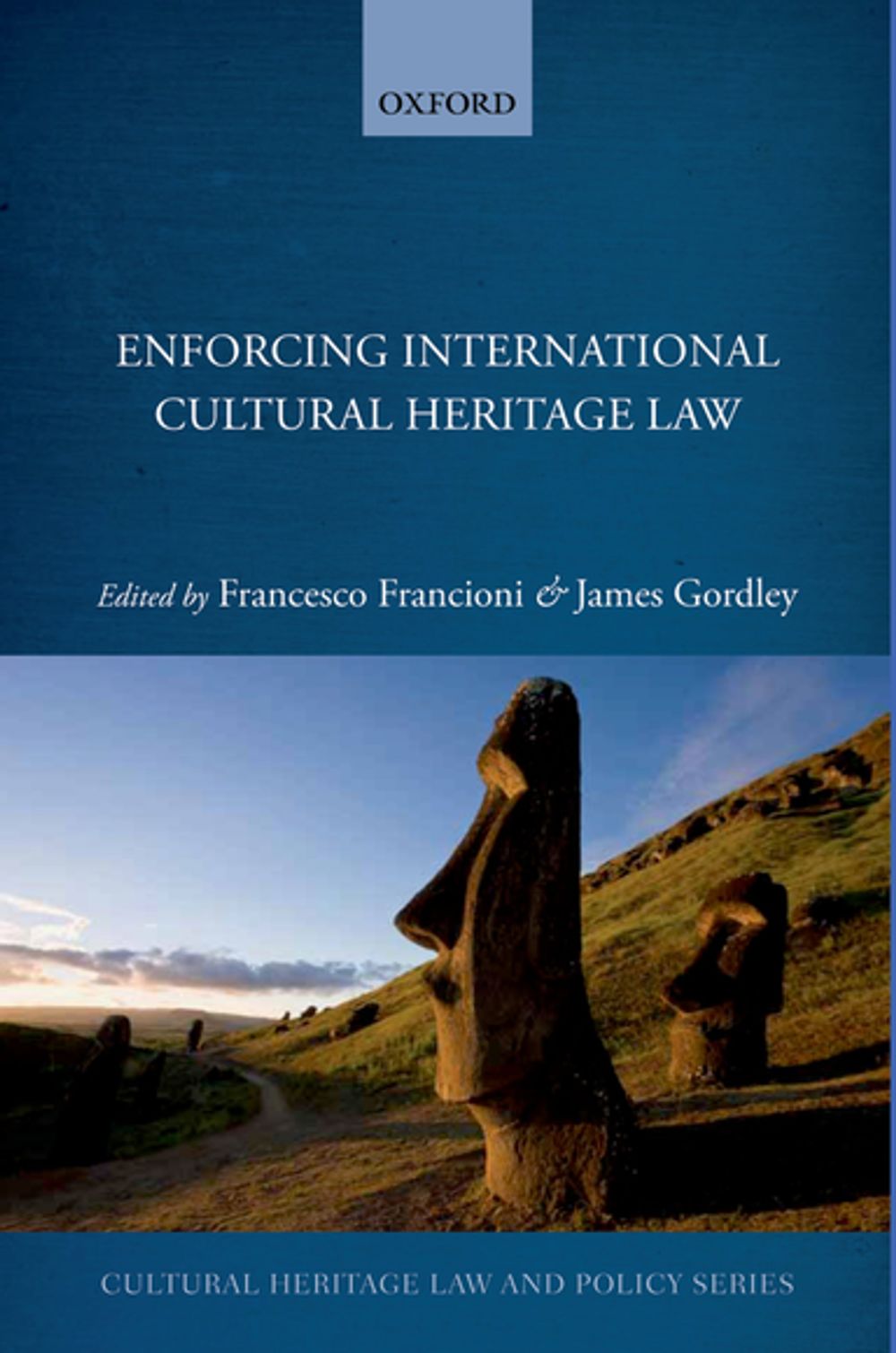



The idea of cultural heritage as an 'international public good' can be traced back to the Preamble of the 1954 Hague Convention for the Protection of Cultural Property in the Event of Armed Conflict, according to which "damage to cultural property belonging to any people whatsoever means damage to the cultural heritage of all mankind". How this idea of cultural heritage as a global public good can be reconciled with the effective enforcement of protection norms is the subject of this study. Bringing together world experts in protecting cultural heritage, Enforcing International Cultural Heritage Law examines the different ways that cultural heritage property can be protected, including protection at the international level, enforcement in domestic courts, and the role of alternative dispute resolution mechanisms. The book is divided into three sections. The first section assesses international law and analyses the interaction between international and domestic norms of public and private law. It discusses the different methods of international enforcement, the role of international and mixed criminal tribunals and courts, and the means for protecting cultural heritage in times of armed conflict. The second section addresses the role of national courts, discussing such topics as: barriers to domestic enforcement of international norms, the refusal to enforce foreign law, the difficulty of territorial boundaries in relation to underwater heritage, and the application of criminal sanctions by domestic courts. The final section of the book surveys alternatives to the legal enforcement of the norms protecting cultural heritage, including arbitration, soft law, and diplomacy.
-
Curatore:
-
Anno edizione:2016
-
Editore:
-
Formato:
Lingua:
Inglese
Compatibilità:
Tutti i dispositivi (eccetto Kindle) Scopri di più
Layout:
Reflowable
EAN:
9780191669637
Formato:
Gli eBook venduti da Feltrinelli.it sono in formato ePub e possono essere protetti da Adobe DRM. In caso di download di un file protetto da DRM si otterrà un file in formato .acs, (Adobe Content Server Message), che dovrà essere aperto tramite Adobe Digital Editions e autorizzato tramite un account Adobe, prima di poter essere letto su pc o trasferito su dispositivi compatibili.
Cloud:
Gli eBook venduti da Feltrinelli.it sono sincronizzati automaticamente su tutti i client di lettura Kobo successivamente all’acquisto. Grazie al Cloud Kobo i progressi di lettura, le note, le evidenziazioni vengono salvati e sincronizzati automaticamente su tutti i dispositivi e le APP di lettura Kobo utilizzati per la lettura.
Clicca qui per sapere come scaricare gli ebook utilizzando un pc con sistema operativo Windows
