









EBOOK IN LINGUA STRANIERA





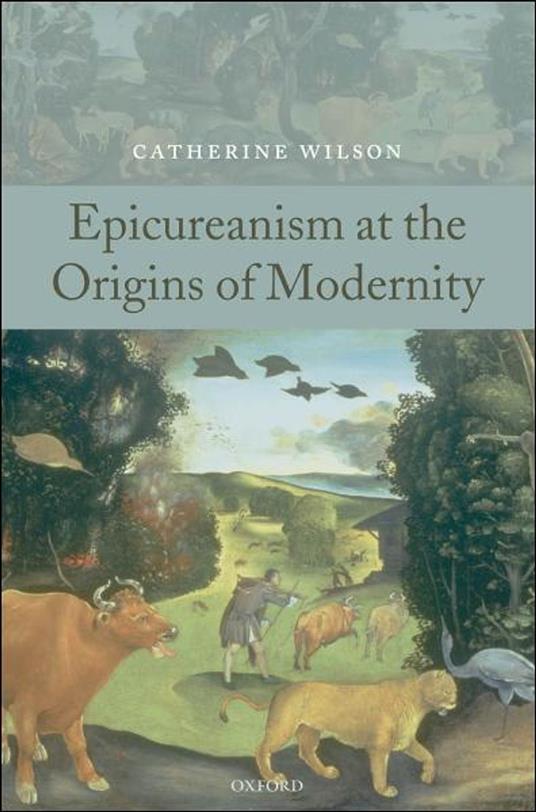
Epicureanism at the Origins of Modernity

29,42 €
+290
punti 

Venditore: Feltrinelli

Acquisto online
Scaricabile subito
Articolo acquistabile con Carta del Docente

Articolo acquistabile con Carta Cultura Giovani e Carta del Merito

Dati e Statistiche
 Salvato in 0 liste dei desideri
Salvato in 0 liste dei desideri
Epicureanism at the Origins of Modernity
Scaricabile subito
29,42 €
29,42 €
Scaricabile subito
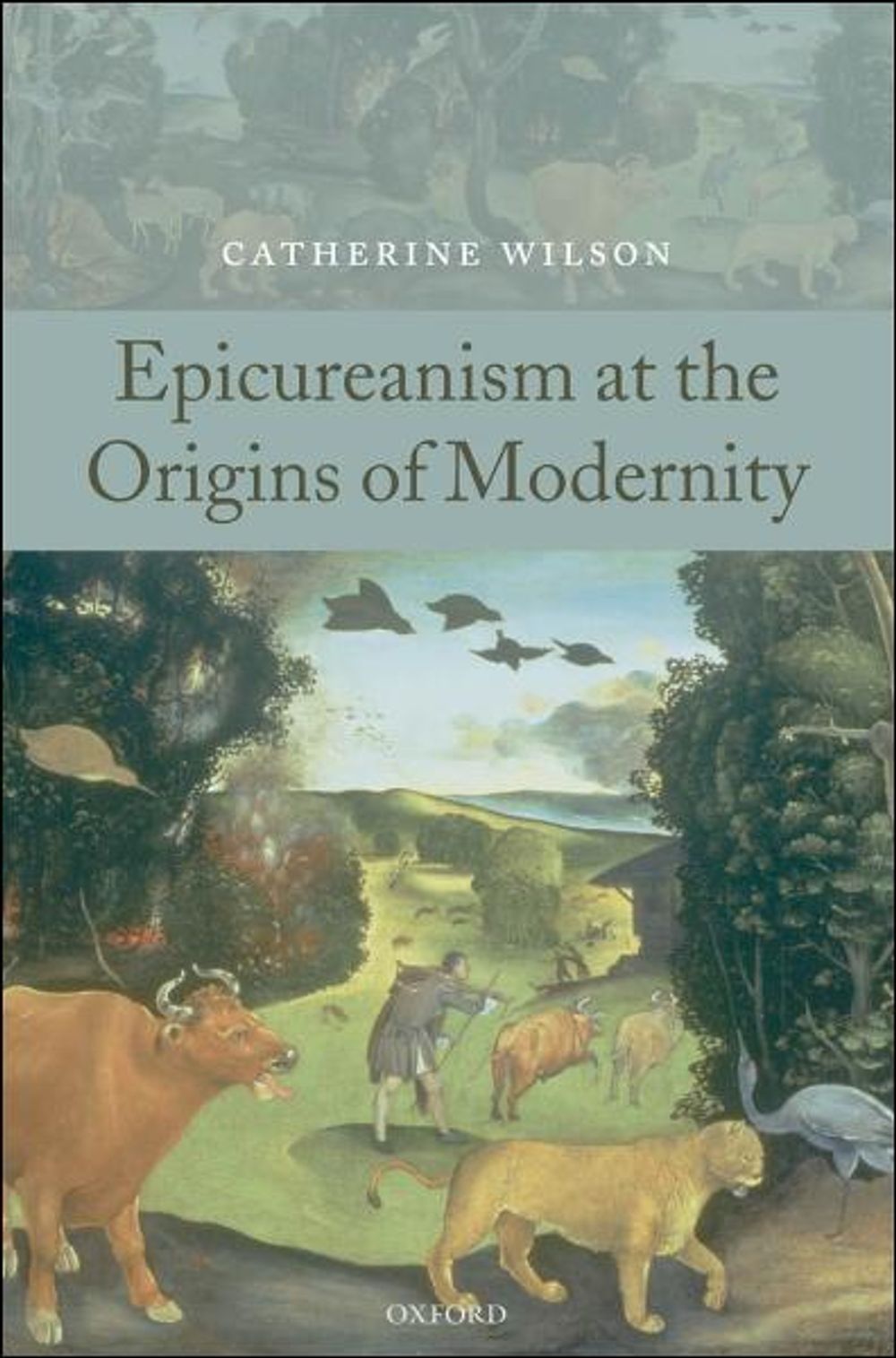



This landmark study examines the role played by the rediscovery of the writings of the ancient atomists, Epicurus and Lucretius, in the articulation of the major philosophical systems of the seventeenth century, and, more broadly, their influence on the evolution of natural science and moral and political philosophy. The target of sustained and trenchant philosophical criticism by Cicero, and of opprobrium by the Christian Fathers of the early Church, for its unflinching commitment to the absence of divine supervision and the finitude of life, the Epicurean philosophy surfaced again in the period of the Scientific Revolution, when it displaced scholastic Aristotelianism. Both modern social contract theory and utilitarianism in ethics were grounded in its tenets. Catherine Wilson shows how the distinctive Epicurean image of the natural and social worlds took hold in philosophy, and how it is an acknowledged, and often unacknowledged presence in the writings of Descartes, Gassendi, Hobbes, Boyle, Locke, Leibniz, Berkeley. With chapters devoted to Epicurean physics and cosmology, the corpuscularian or "mechanical" philosophy, the question of the mortality of the soul, the grounds of political authority, the contested nature of the experimental philosophy, sensuality, curiosity, and the role of pleasure and utility in ethics, the author makes a persuasive case for the significance of materialism in seventeenth-century philosophy without underestimating the depth and significance of the opposition to it, and for its continued importance in the contemporary world. Lucretius's great poem, On the Nature of Things, supplies the frame of reference for this deeply-researched inquiry into the origins of modern philosophy. .
-
Autore:
-
Anno edizione:2016
-
Editore:
-
Formato:
-
Lingua:Inglese
Compatibilità:
Tutti i dispositivi (eccetto Kindle) Scopri di più
Layout:
Reflowable
EAN:
9780191608155
Formato:
Gli eBook venduti da Feltrinelli.it sono in formato ePub e possono essere protetti da Adobe DRM. In caso di download di un file protetto da DRM si otterrà un file in formato .acs, (Adobe Content Server Message), che dovrà essere aperto tramite Adobe Digital Editions e autorizzato tramite un account Adobe, prima di poter essere letto su pc o trasferito su dispositivi compatibili.
Cloud:
Gli eBook venduti da Feltrinelli.it sono sincronizzati automaticamente su tutti i client di lettura Kobo successivamente all’acquisto. Grazie al Cloud Kobo i progressi di lettura, le note, le evidenziazioni vengono salvati e sincronizzati automaticamente su tutti i dispositivi e le APP di lettura Kobo utilizzati per la lettura.
Clicca qui per sapere come scaricare gli ebook utilizzando un pc con sistema operativo Windows
