









EBOOK IN LINGUA STRANIERA





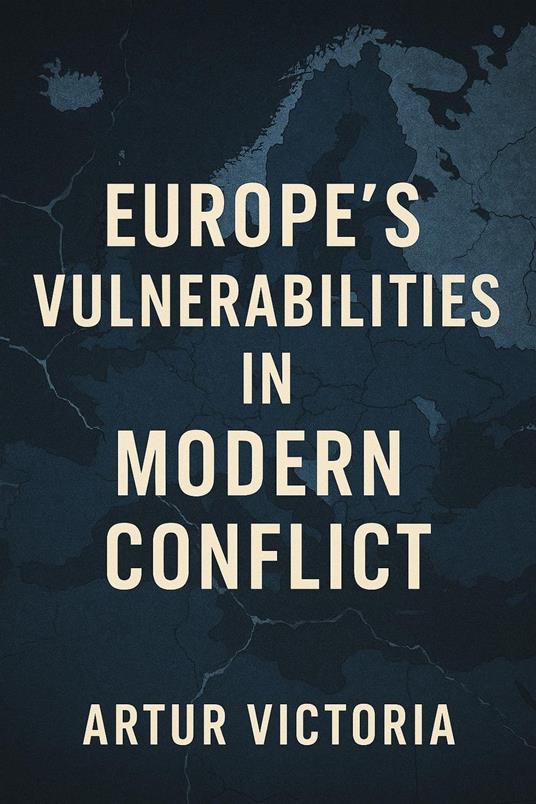
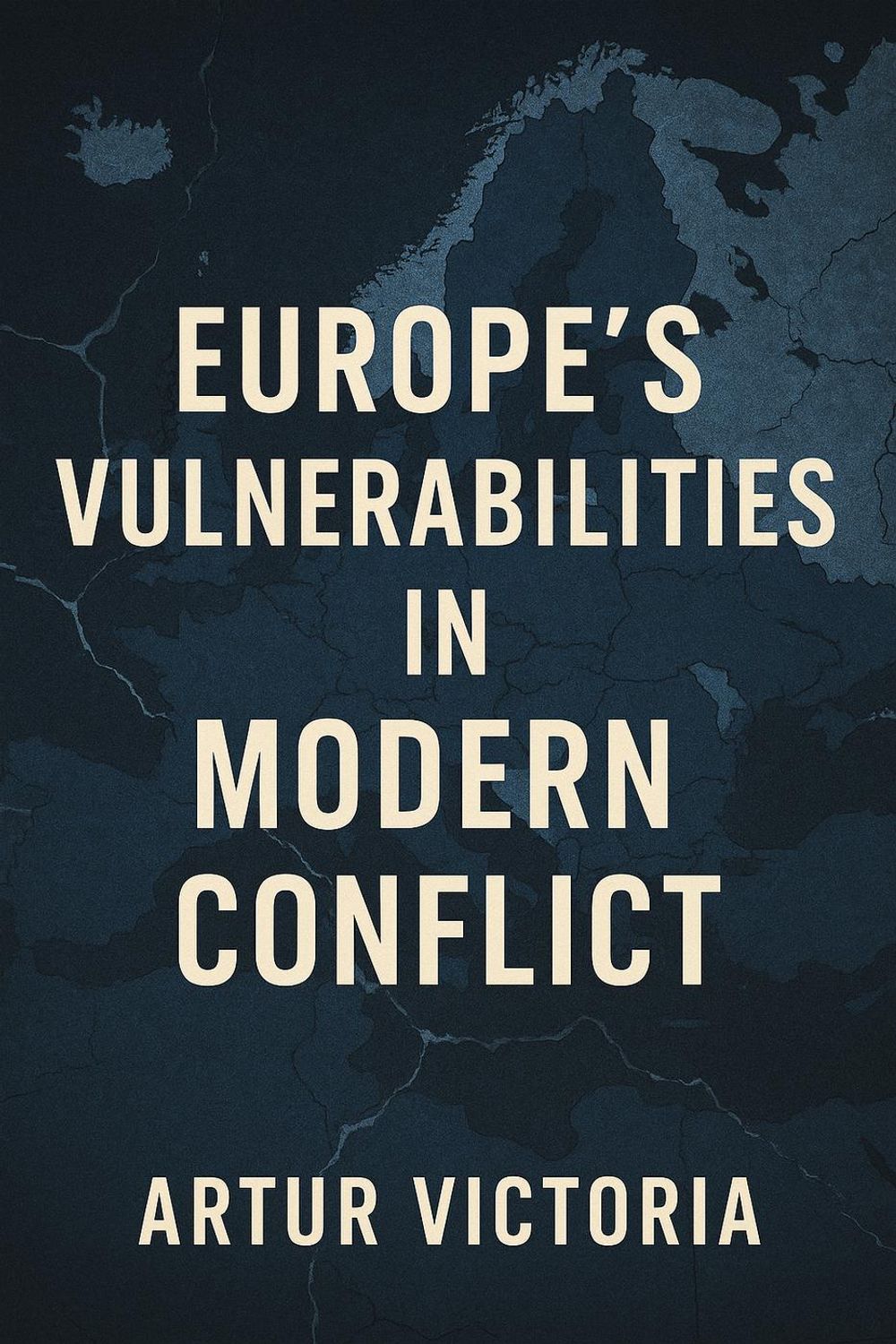
Europe’s Vulnerabilities in Modern Conflict

3,49 €
+30
punti 

Venditore: Feltrinelli

Acquisto online
Scaricabile subito
Articolo acquistabile con Carta del Docente

Articolo acquistabile con Carta Cultura Giovani e Carta del Merito

Abbonati a Kobo plus per avere accesso illimitato a questo contenuto

Dati e Statistiche
 Salvato in 0 liste dei desideri
Salvato in 0 liste dei desideri
Europe’s Vulnerabilities in Modern Conflict
Scaricabile subito
3,49 €
3,49 €
Scaricabile subito



Europe stands at a crossroads in its geopolitical evolution, facing a spectrum of security threats that span the traditional and the novel, the visible and the covert. For decades, the continent benefited from a relatively stable security environment under the protective umbrella of multilateral institutions and international norms. This stability, however, created structural weaknesses: defence budgets stayed low, critical infrastructure aged without adequate protection, and the urgency to modernise military capabilities waned. The result is a Europe that is economically powerful but strategically fragile—a continent whose institutions were built for peace yet must suddenly contend with a world slipping back into great-power rivalry, asymmetric conflict, and technological disruption. The vulnerabilities Europe faces today are not confined to a single domain. Conventional military threats have resurfaced in ways many policymakers once believed impossible after the Cold War. Terrorism, though less dominant in headlines, remains a persistent and decentralised danger that exploits social fragmentation and gaps in intelligence coordination. Hybrid warfare—deliberate ambiguity, disinformation, economic coercion, and covert action—targets the political cohesion that the European Union relies on. Cyber warfare, meanwhile, cuts across every modern system, from energy grids and financial institutions to hospitals and government services, exposing uncomfortable interdependencies and inconsistent standards of protection. These challenges are not occurring in isolation. They interact and amplify one another. A cyberattack on energy networks can destabilise a country's political environment, creating opportunities for external actors to launch disinformation campaigns. A terrorist incident can inflame polarisation, weaken trust in institutions, and make it easier for hostile states to spread influence operations. A conventional military threat can be paired with hybrid tactics designed to slow European decision-making, undermine solidarity, and fracture alliances. Modern conflict is not neatly compartmentalised; it is fluid, blended, and strategically synchronised. Europe must therefore confront not only individual threats but also the combined effect of multidimensional pressure.
-
Autore:
-
Anno edizione:2025
-
Editore:
-
Formato:
-
Lingua:Inglese
Compatibilità:
Tutti i dispositivi (eccetto Kindle) Scopri di più
Layout:
Reflowable
EAN:
9798231679294
Formato:
Gli eBook venduti da Feltrinelli.it sono in formato ePub e possono essere protetti da Adobe DRM. In caso di download di un file protetto da DRM si otterrà un file in formato .acs, (Adobe Content Server Message), che dovrà essere aperto tramite Adobe Digital Editions e autorizzato tramite un account Adobe, prima di poter essere letto su pc o trasferito su dispositivi compatibili.
Cloud:
Gli eBook venduti da Feltrinelli.it sono sincronizzati automaticamente su tutti i client di lettura Kobo successivamente all’acquisto. Grazie al Cloud Kobo i progressi di lettura, le note, le evidenziazioni vengono salvati e sincronizzati automaticamente su tutti i dispositivi e le APP di lettura Kobo utilizzati per la lettura.
Clicca qui per sapere come scaricare gli ebook utilizzando un pc con sistema operativo Windows
