









EBOOK IN LINGUA STRANIERA





The Four Pillars of Islam

8,10 €
+80
punti 

Venditore: Feltrinelli

Acquisto online
Scaricabile subito
Articolo acquistabile con Carta del Docente

Articolo acquistabile con Carta Cultura Giovani e Carta del Merito

Abbonati a Kobo plus per avere accesso illimitato a questo contenuto

Dati e Statistiche
 Salvato in 0 liste dei desideri
Salvato in 0 liste dei desideri
The Four Pillars of Islam
Scaricabile subito
8,10 €
8,10 €
Scaricabile subito
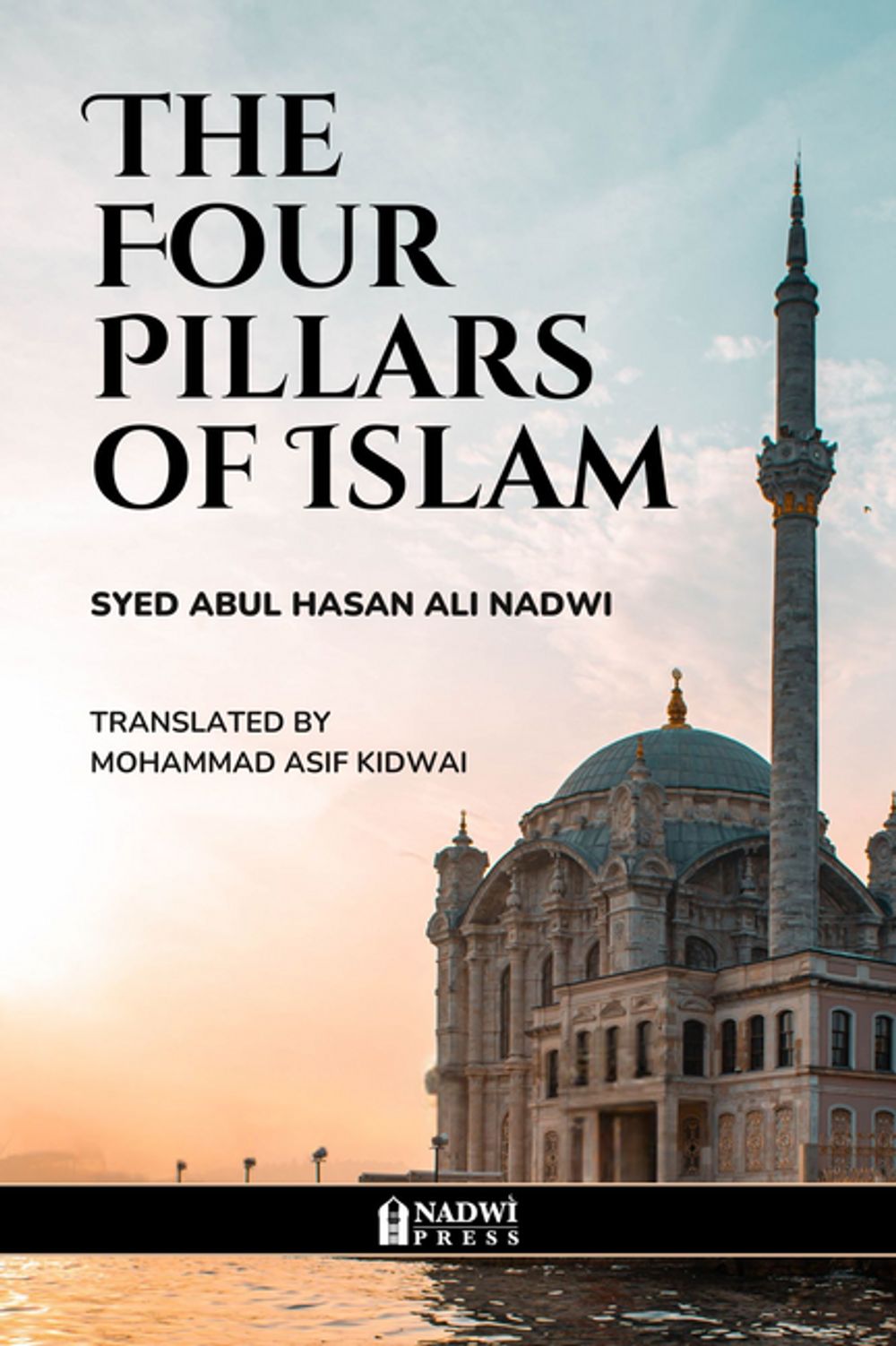



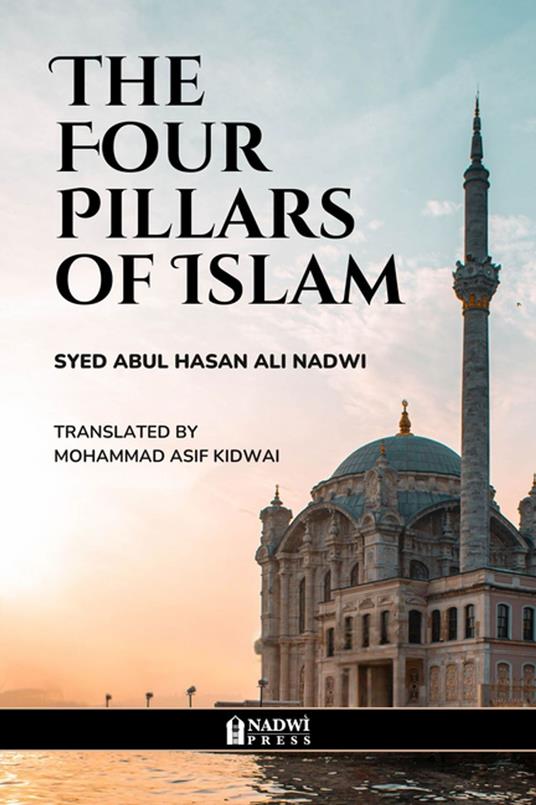
A Classical Scholar's Vision of Islamic Worship for the Modern Age The Four Pillars of Islam by S. Abul Hasan Ali Nadwi offers readers an authoritative journey through Islam's foundational acts of worship, revealing their theological depths, legal precision, and transformative spiritual power. This comprehensive study examines prayer (Salat), charity (zakat), fasting (?aum), and pilgrimage (Hajj)—the four pillars that, together with the testimony of faith, structure Muslim religious life. Drawing extensively from the Qur'an, ?adith literature, and classical Islamic scholarship, particularly Shah Waliullah's influential ?ujjatullah al-Balighah, Nadwi presents traditional Islamic learning in accessible modern prose. His scholarship demonstrates how these worship practices address every dimension of human existence—body, mind, and spirit—creating a comprehensive system of devotion unmatched in religious history. The book begins by establishing theological foundations, examining how knowledge of Divine Attributes shapes worship. Nadwi explores the unique relationship between God and humanity, showing how Islamic prayer, charity, fasting, and pilgrimage respond appropriately to divine reality while addressing human needs and aspirations. Each pillar receives detailed treatment revealing its multifaceted significance. The section on ?alat demonstrates how the five daily prayers integrate physical movements, verbal recitation, mental contemplation, and spiritual devotion into unified acts of worship. Discussion of zakat reveals how obligatory charity serves both spiritual purification and social justice, contrasting sharply with usury and secular taxation. Examination of ?aum shows fasting as comprehensive spiritual discipline that strengthens individual resolve while creating collective Muslim consciousness. Treatment of Hajj presents pilgrimage as culmination of worship, satisfying human yearning for tangible expression of divine love. Throughout, Nadwi engages in comparative religious analysis, examining worship in Judaism, Christianity, and other traditions. This comparative framework highlights Islam's distinctive features while demonstrating continuities with earlier prophetic revelations. The author firmly critiques contemporary attempts to reduce Islamic worship to mere social convention or political symbolism, insisting that these practices maintain their sacred character and cannot be reinterpreted through materialistic frameworks without losing essential meaning.
-
Autore:
-
Anno edizione:2025
-
Editore:
-
Formato:
-
Lingua:Inglese
Compatibilità:
Tutti i dispositivi (eccetto Kindle) Scopri di più
Layout:
Reflowable
EAN:
9789366089416
Formato:
Gli eBook venduti da Feltrinelli.it sono in formato ePub e possono essere protetti da Adobe DRM. In caso di download di un file protetto da DRM si otterrà un file in formato .acs, (Adobe Content Server Message), che dovrà essere aperto tramite Adobe Digital Editions e autorizzato tramite un account Adobe, prima di poter essere letto su pc o trasferito su dispositivi compatibili.
Cloud:
Gli eBook venduti da Feltrinelli.it sono sincronizzati automaticamente su tutti i client di lettura Kobo successivamente all’acquisto. Grazie al Cloud Kobo i progressi di lettura, le note, le evidenziazioni vengono salvati e sincronizzati automaticamente su tutti i dispositivi e le APP di lettura Kobo utilizzati per la lettura.
Clicca qui per sapere come scaricare gli ebook utilizzando un pc con sistema operativo Windows
