









EBOOK IN LINGUA STRANIERA





Independence Hall in American Memory

28,80 €
+290
punti 
Venditore: Feltrinelli

Acquista online
Scaricabile subito
Articolo acquistabile con Carta del Docente

Articolo acquistabile con Carta Cultura Giovani e Carta del Merito

Dati e Statistiche
 Salvato in 0 liste dei desideri
Salvato in 0 liste dei desideri
Independence Hall in American Memory
Scaricabile subito
28,80 €
28,80 €
Scaricabile subito
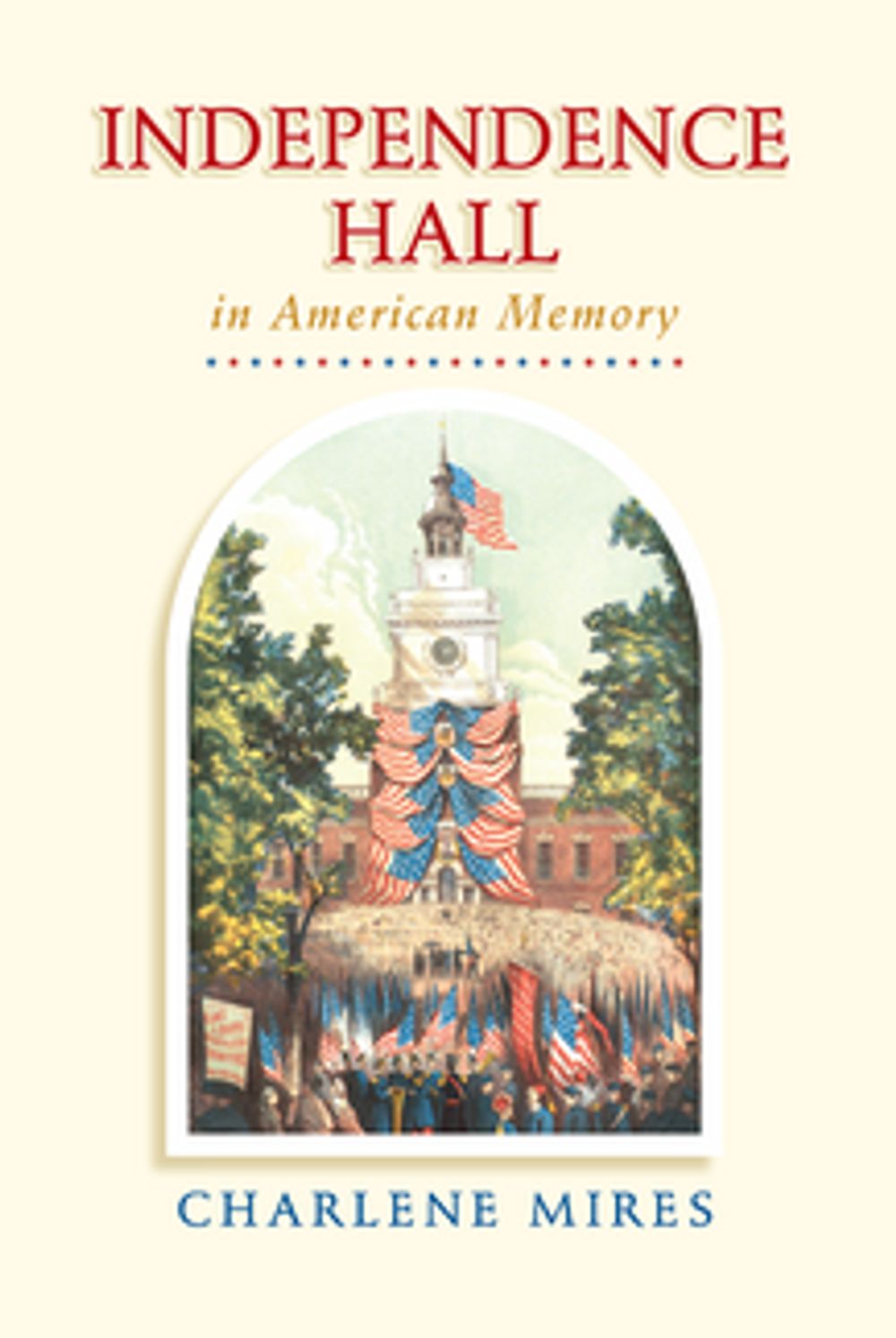



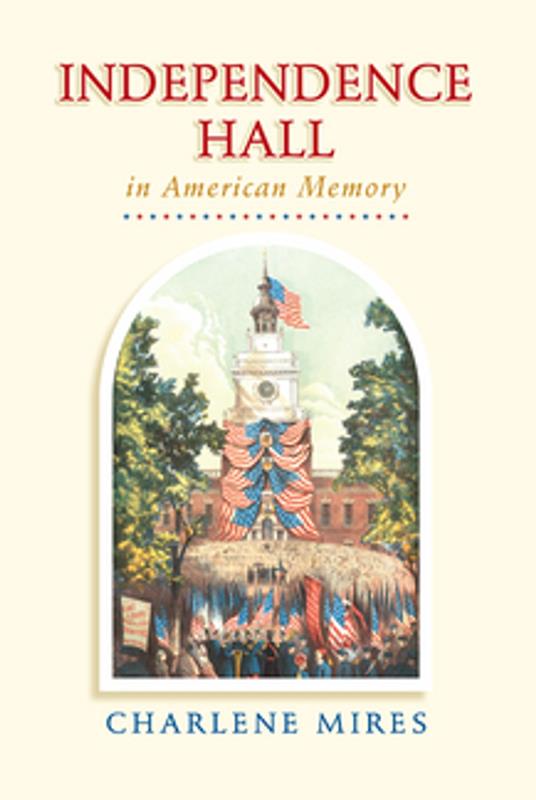
Independence Hall is a place Americans think they know well. Within its walls the Continental Congress declared independence in 1776, and in 1787 the Founding Fathers drafted the U.S. Constitution there. Painstakingly restored to evoke these momentous events, the building appears to have passed through time unscathed, from the heady days of the American Revolution to today. But Independence Hall is more than a symbol of the young nation. Beyond this, according to Charlene Mires, it has a long and varied history of changing uses in an urban environment, almost all of which have been forgotten. In Independence Hall, Mires rediscovers and chronicles the lost history of Independence Hall, in the process exploring the shifting perceptions of this most important building in America's popular imagination. According to Mires, the significance of Independence Hall cannot be fully appreciated without assessing the full range of political, cultural, and social history that has swirled about it for nearly three centuries. During its existence, it has functioned as a civic and cultural center, a political arena and courtroom, and a magnet for public celebrations and demonstrations. Artists such as Thomas Sully frequented Independence Square when Philadelphia served as the nation's capital during the 1790s, and portraitist Charles Willson Peale merged the arts, sciences, and public interest when he transformed a portion of the hall into a center for natural science in 1802. In the 1850s, hearings for accused fugitive slaves who faced the loss of freedom were held, ironically, in this famous birthplace of American independence. Over the years Philadelphians have used the old state house and its public square in a multitude of ways that have transformed it into an arena of conflict: labor grievances have echoed regularly in Independence Square since the 1830s, while civil rights protesters exercised their right to free speech in the turbulent 1960s. As much as the Founding Fathers, these people and events illuminate the building's significance as a cultural symbol.
-
Autore:
-
Anno edizione:2015
-
Editore:
-
Formato:
-
Lingua:Inglese
Compatibilità:
Tutti i dispositivi (eccetto Kindle) Scopri di più
Layout:
Reflowable
EAN:
9780812204230
Formato:
Gli eBook venduti da Feltrinelli.it sono in formato ePub e possono essere protetti da Adobe DRM. In caso di download di un file protetto da DRM si otterrà un file in formato .acs, (Adobe Content Server Message), che dovrà essere aperto tramite Adobe Digital Editions e autorizzato tramite un account Adobe, prima di poter essere letto su pc o trasferito su dispositivi compatibili.
Cloud:
Gli eBook venduti da Feltrinelli.it sono sincronizzati automaticamente su tutti i client di lettura Kobo successivamente all’acquisto. Grazie al Cloud Kobo i progressi di lettura, le note, le evidenziazioni vengono salvati e sincronizzati automaticamente su tutti i dispositivi e le APP di lettura Kobo utilizzati per la lettura.
Clicca qui per sapere come scaricare gli ebook utilizzando un pc con sistema operativo Windows
