










EBOOK IN LINGUA STRANIERA





The Making of International Status

71,85 €
+720
punti 
Venditore: Feltrinelli

Acquisto online
Scaricabile subito
Articolo acquistabile con Carta del Docente

Articolo acquistabile con Carta Cultura Giovani e Carta del Merito

Dati e Statistiche
 Salvato in 0 liste dei desideri
Salvato in 0 liste dei desideri
The Making of International Status
Scaricabile subito
71,85 €
71,85 €
Scaricabile subito

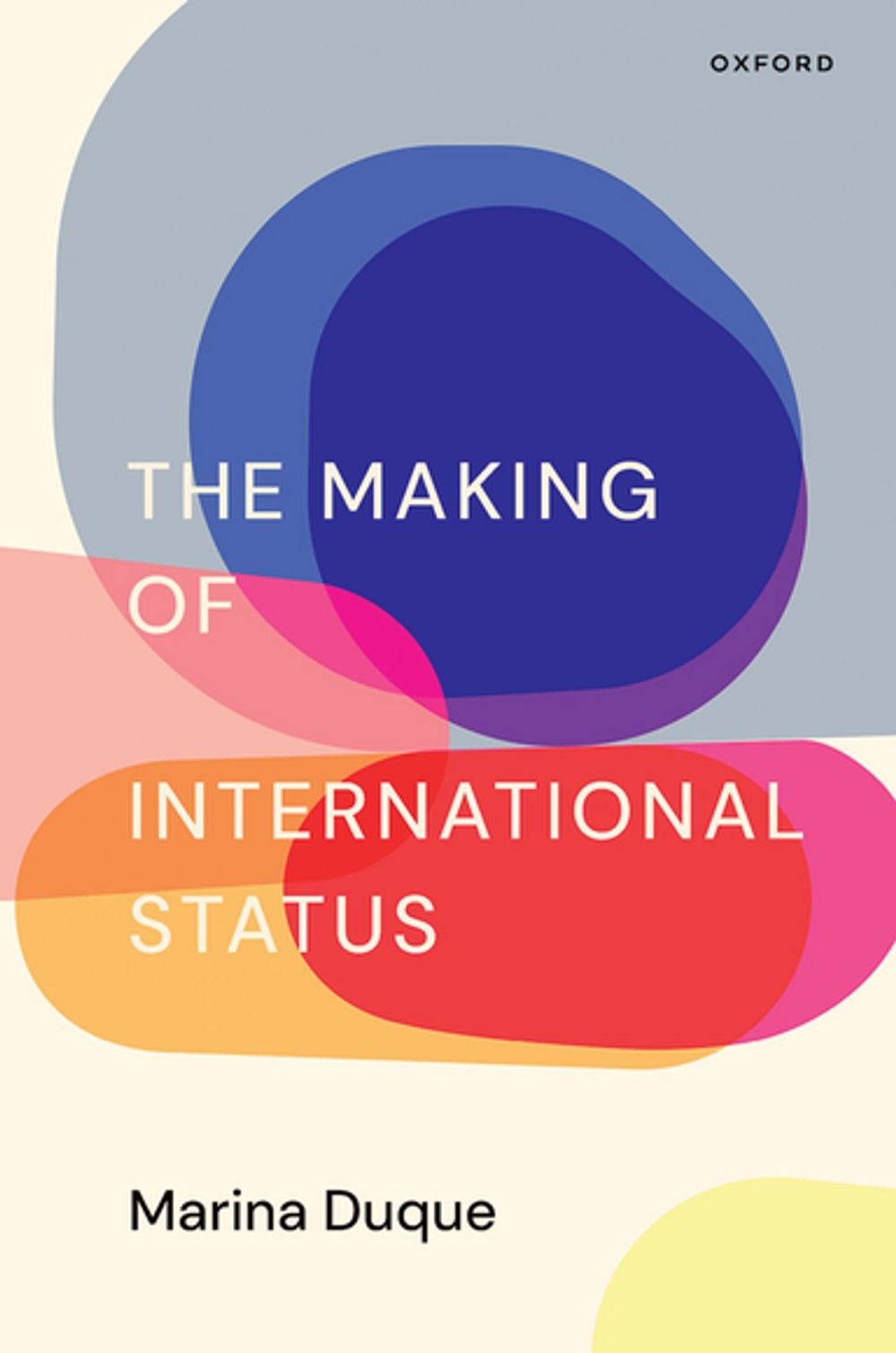




With great power rivalry once more on the rise, the clamoring of states for status--a country's standing within the international order--has become a vital consideration for international diplomacy and security. After all, according to the prevailing consensus among political scientists, states that feel dissatisfied with their status are prone to starting conflicts. To fully grasp this phenomenon, a fundamental question must be answered: how do states achieve status on the world stage? Scholars have traditionally assumed that status is a function of state attributes, particularly material capabilities like military and economic resources. Drawing on an interdisciplinary body of research, Marina Duque argues instead that status depends on patterns of state relations, rather than directly on state properties. To understand how international hierarchies of status are established, Duque traces their roots back to key transformations that magnified global inequality in the nineteenth century, a foundational period for the contemporary international order. As Europeans turned to imperialism, status distinctions legitimized inequality by drawing a boundary between "civilized" Europeans entitled to sovereignty and "uncivilized" non-Europeans unable to govern themselves. Once established, status distinctions reinforced inequality via cumulative advantage mechanisms: the higher standing a state enjoys, the more it attracts additional recognition. It is no coincidence that, to this day, status evaluations rely on governance ideals associated with the West. By analyzing the global network of diplomatic relations since the early nineteenth century, The Making of International Status develops a theory of status that situates the concept at the heart of contemporary international politics.
-
Autore:
-
Anno edizione:2025
-
Editore:
-
Formato:
-
Lingua:Inglese
Compatibilità:
Tutti i dispositivi (eccetto Kindle) Scopri di più
Layout:
Reflowable
EAN:
9780197801970
Formato:
Gli eBook venduti da Feltrinelli.it sono in formato ePub e possono essere protetti da Adobe DRM. In caso di download di un file protetto da DRM si otterrà un file in formato .acs, (Adobe Content Server Message), che dovrà essere aperto tramite Adobe Digital Editions e autorizzato tramite un account Adobe, prima di poter essere letto su pc o trasferito su dispositivi compatibili.
Cloud:
Gli eBook venduti da Feltrinelli.it sono sincronizzati automaticamente su tutti i client di lettura Kobo successivamente all’acquisto. Grazie al Cloud Kobo i progressi di lettura, le note, le evidenziazioni vengono salvati e sincronizzati automaticamente su tutti i dispositivi e le APP di lettura Kobo utilizzati per la lettura.
Clicca qui per sapere come scaricare gli ebook utilizzando un pc con sistema operativo Windows
