









EBOOK IN LINGUA STRANIERA





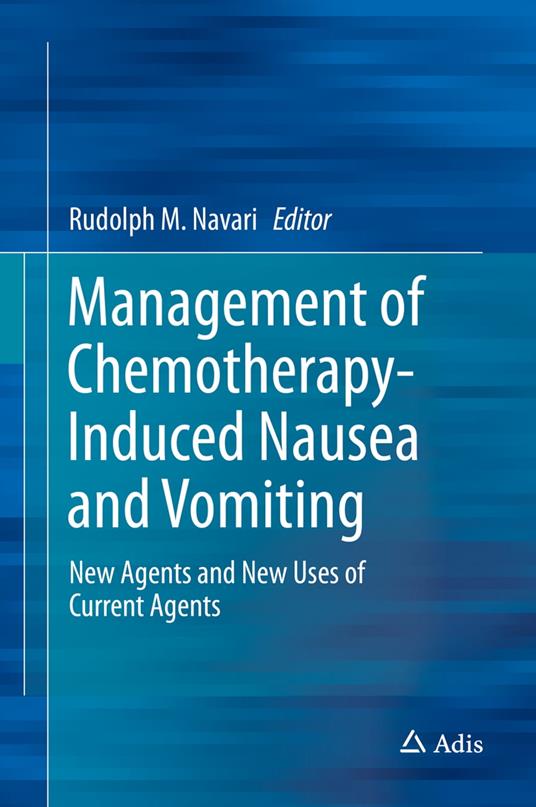
Management of Chemotherapy-Induced Nausea and Vomiting

46,79 €
+470
punti 
Venditore: Feltrinelli

Acquista online
Scaricabile subito
Articolo acquistabile con Carta del Docente

Articolo acquistabile con Carta Cultura Giovani e Carta del Merito

Dati e Statistiche
 Salvato in 0 liste dei desideri
Salvato in 0 liste dei desideri
Management of Chemotherapy-Induced Nausea and Vomiting
Scaricabile subito
46,79 €
46,79 €
Scaricabile subito
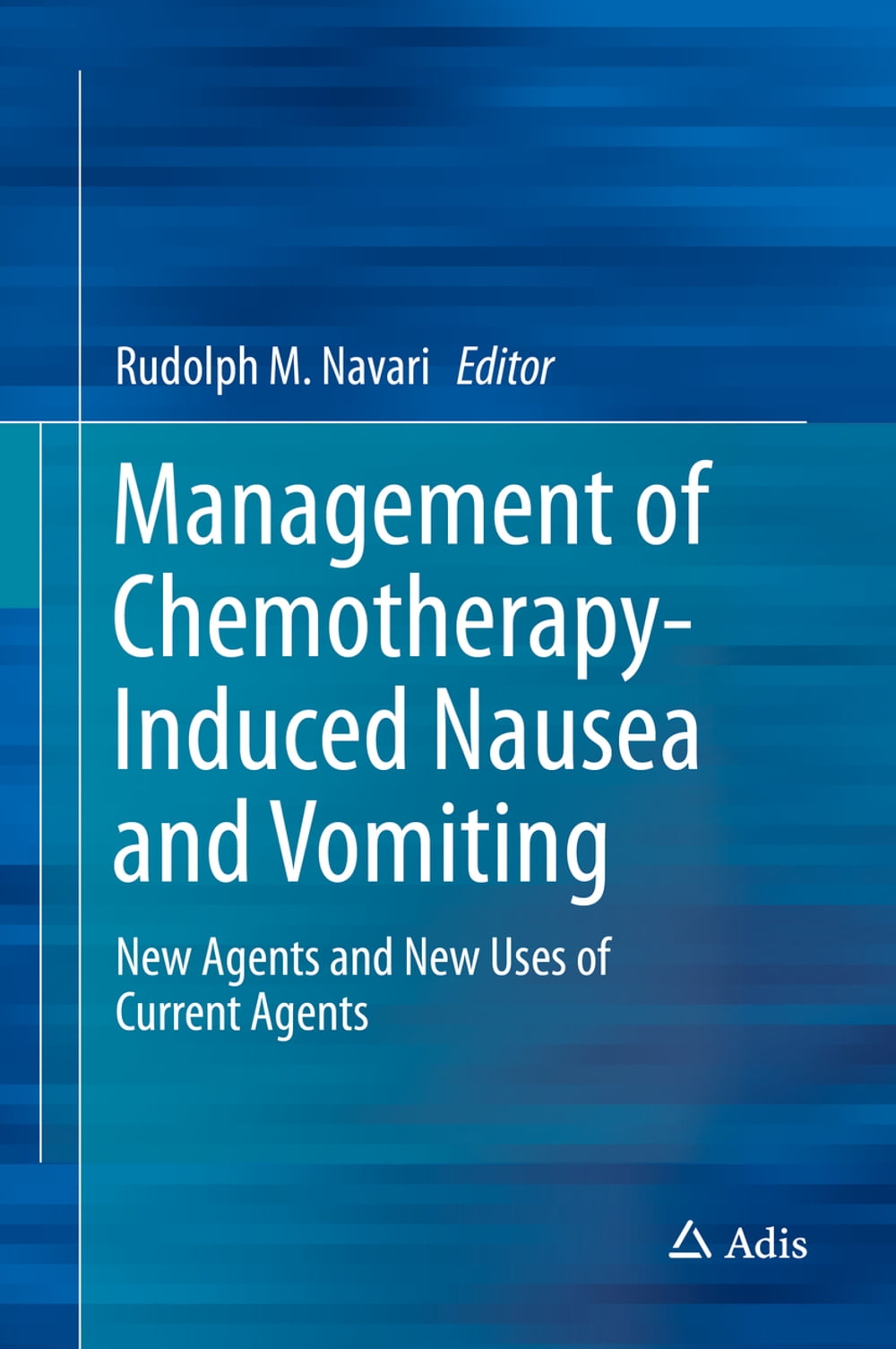



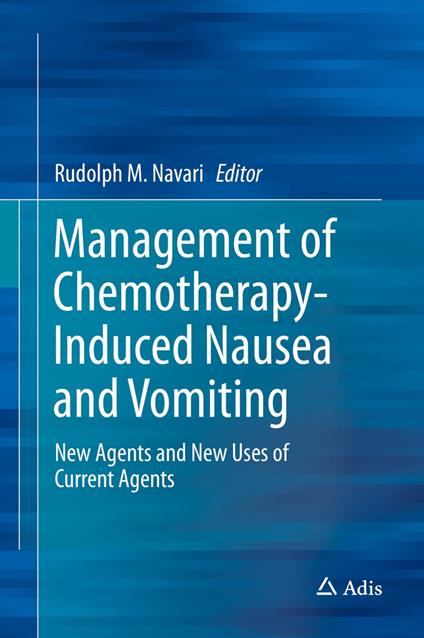
This book provides a comprehensive review of new agents, a detailed description of new uses of current agents, and an integration of the available agents in clinical practice. A description of a detailed clinical approach provides clinical practitioners with the most up-to-date recommendations for the prevention and treatment of chemotherapy-induced nausea and vomiting (CINV) in various clinical settings. CINV is one of the most feared treatment related toxicities. Patient surveys for the past thirty years consistently demonstrate patients’ perception of deterioration in quality of life due to chemotherapy treatments. The introduction of the antiemetics, serotonin 5-HT3 receptor antagonists and the neurokinin-1 receptor antagonists, have improved the control of chemotherapy-induced emesis, but the treatment of chemotherapy-induced nausea remains a significant clinical problem. Patients continue to have quality of life issues which prevent normal functioning during active treatment. New agents such as the second generation 5-HT3 receptor antagonist palonosetron and the new neuroknin-1 receptor antagonists rolapitant and netupitant are being introduced into clinical practice, and it is anticipated that these new agents will improve the control of CINV. Agents such as olanzapine (a FDA approved anti-psychotic), gabapentin (a FDA approved neuroleptic), and ginger (a food additive), which have been used primarily for other indications, are now being tested as potential, effective antiemetics. This work represents the first available comprehensive summary that details all new antiemetic agents and, particularly, their clinical role in treating patients; an important reference for practitioners seeking to improve the quality of life of patients undergoing chemotherapy.
-
Curatore:
-
Anno edizione:2016
-
Editore:
-
Formato:
Lingua:
Inglese
Compatibilità:
Tutti i dispositivi (eccetto Kindle) Scopri di più
Layout:
Reflowable
EAN:
9783319270166
Formato:
Gli eBook venduti da Feltrinelli.it sono in formato ePub e possono essere protetti da Adobe DRM. In caso di download di un file protetto da DRM si otterrà un file in formato .acs, (Adobe Content Server Message), che dovrà essere aperto tramite Adobe Digital Editions e autorizzato tramite un account Adobe, prima di poter essere letto su pc o trasferito su dispositivi compatibili.
Cloud:
Gli eBook venduti da Feltrinelli.it sono sincronizzati automaticamente su tutti i client di lettura Kobo successivamente all’acquisto. Grazie al Cloud Kobo i progressi di lettura, le note, le evidenziazioni vengono salvati e sincronizzati automaticamente su tutti i dispositivi e le APP di lettura Kobo utilizzati per la lettura.
Clicca qui per sapere come scaricare gli ebook utilizzando un pc con sistema operativo Windows
