









EBOOK IN LINGUA STRANIERA





Mind, Brain, and Free Will

25,05 €
+250
punti 

Venditore: Feltrinelli

Acquisto online
Scaricabile subito
Articolo acquistabile con Carta del Docente

Articolo acquistabile con Carta Cultura Giovani e Carta del Merito

Dati e Statistiche
 Salvato in 0 liste dei desideri
Salvato in 0 liste dei desideri
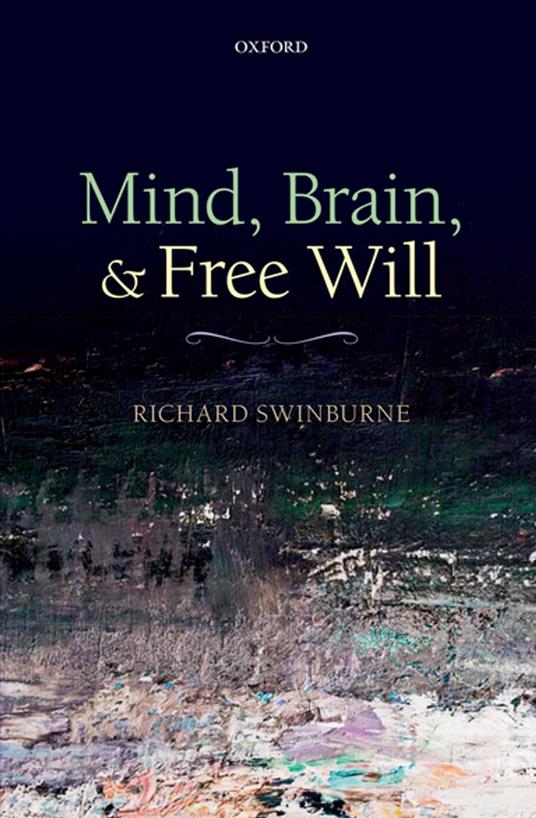
Mind, Brain, and Free Will
Scaricabile subito
25,05 €
25,05 €
Scaricabile subito
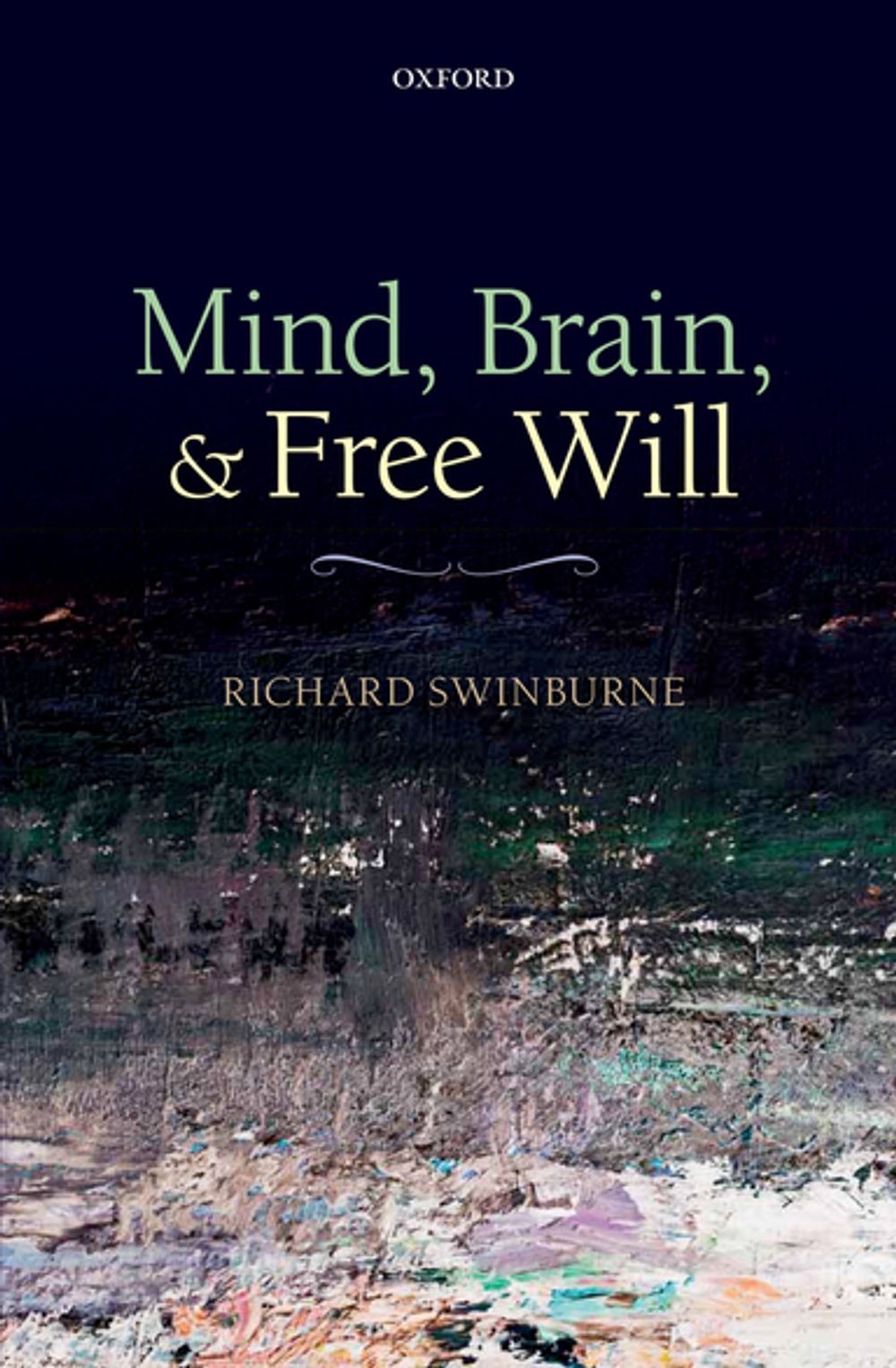



Mind, Brain, and Free Will presents a powerful new case for substance dualism (the theory that humans consist of two parts body and soul) and for libertarian free will (that humans have some freedom to choose between alternatives, independently of the causes which influence them). Richard Swinburne begins by analysing the criteria for one event or substance being the same event or substance as another one, and the criteria for an event being metaphysically possible; and then goes on to analyse the criteria for beliefs about these issues being rational or justified. Given these criteria, he then proceeds to argue that pure mental events (including conscious events) are distinct from physical events and interact with them. He claims that no result from neuroscience or any other science could show that there is no such interaction, and illustrates this claim by showing that recent scientific work (such as Libet's experiments) has no tendency whatever to show that our intentions do not cause brain events. Swinburne goes on to argue for agent causation, that-to speak precisely-it is we, and not our intentions, that cause our brain events. It is metaphysically possible that each of us could acquire a new brain or continue to exist without a brain; and so we are essentially souls. Brain events and conscious events are so different from each other that it would not be possible to establish a scientific theory which would predict what each of us would do in situations of moral conflict. Hence given a crucial epistemological principle (the Principle of Credulity), we should believe that things are as they seem to be: that we make choices independently of the causes which influence us. According to Swinburne's lucid and ambitious account, it follows that we are morally responsible for our actions.
-
Autore:
-
Anno edizione:2016
-
Editore:
-
Formato:
-
Lingua:Inglese
Compatibilità:
Tutti i dispositivi (eccetto Kindle) Scopri di più
Layout:
Reflowable
EAN:
9780191057441
Formato:
Gli eBook venduti da Feltrinelli.it sono in formato ePub e possono essere protetti da Adobe DRM. In caso di download di un file protetto da DRM si otterrà un file in formato .acs, (Adobe Content Server Message), che dovrà essere aperto tramite Adobe Digital Editions e autorizzato tramite un account Adobe, prima di poter essere letto su pc o trasferito su dispositivi compatibili.
Cloud:
Gli eBook venduti da Feltrinelli.it sono sincronizzati automaticamente su tutti i client di lettura Kobo successivamente all’acquisto. Grazie al Cloud Kobo i progressi di lettura, le note, le evidenziazioni vengono salvati e sincronizzati automaticamente su tutti i dispositivi e le APP di lettura Kobo utilizzati per la lettura.
Clicca qui per sapere come scaricare gli ebook utilizzando un pc con sistema operativo Windows
