









EBOOK IN LINGUA STRANIERA





Narratives of Control

5,49 €
+50
punti 

Venditore: Feltrinelli

Acquisto online
Scaricabile subito
Articolo acquistabile con Carta del Docente

Articolo acquistabile con Carta Cultura Giovani e Carta del Merito

Abbonati a Kobo plus per avere accesso illimitato a questo contenuto

Dati e Statistiche
 Salvato in 0 liste dei desideri
Salvato in 0 liste dei desideri
Narratives of Control
Scaricabile subito
5,49 €
5,49 €
Scaricabile subito
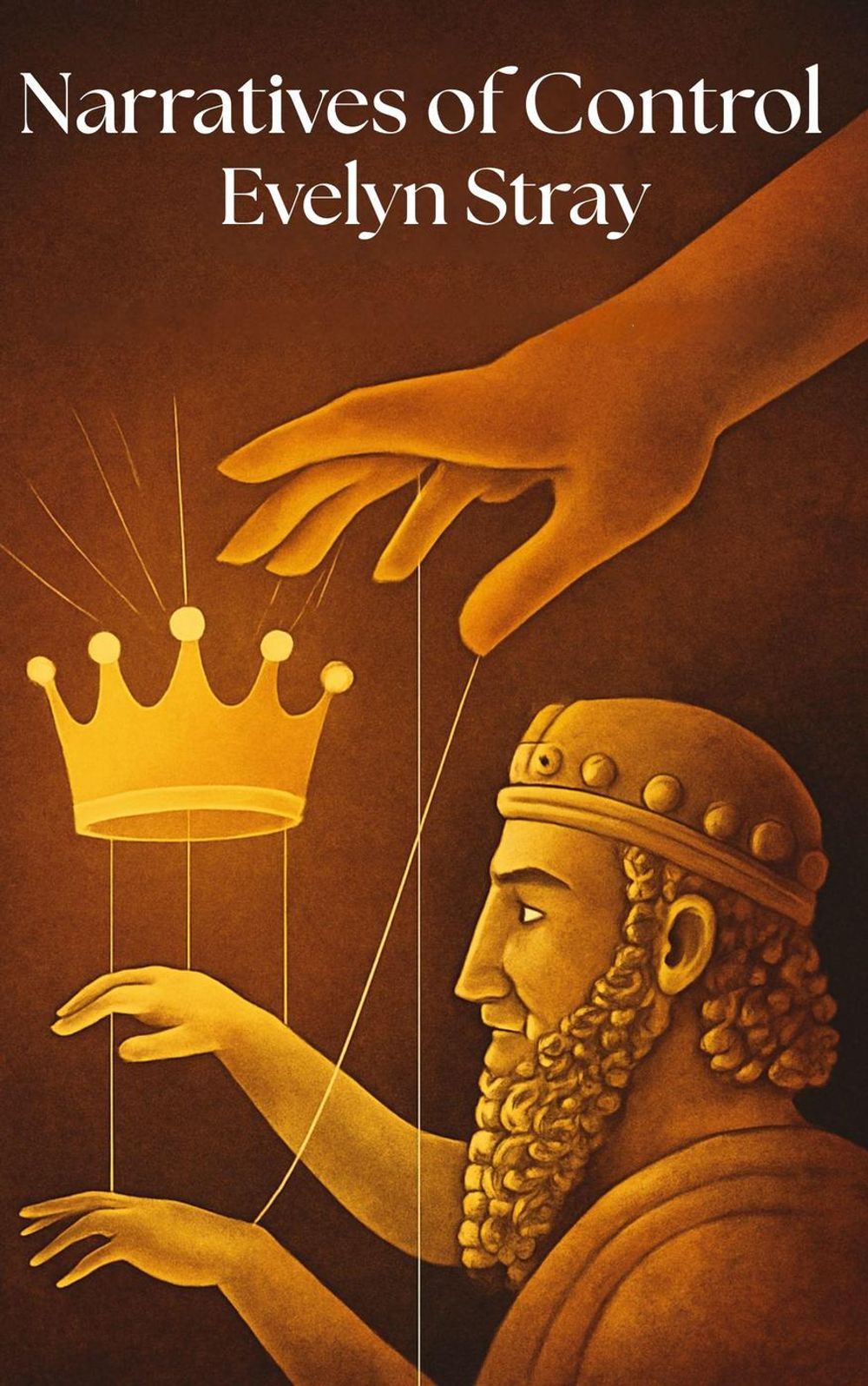



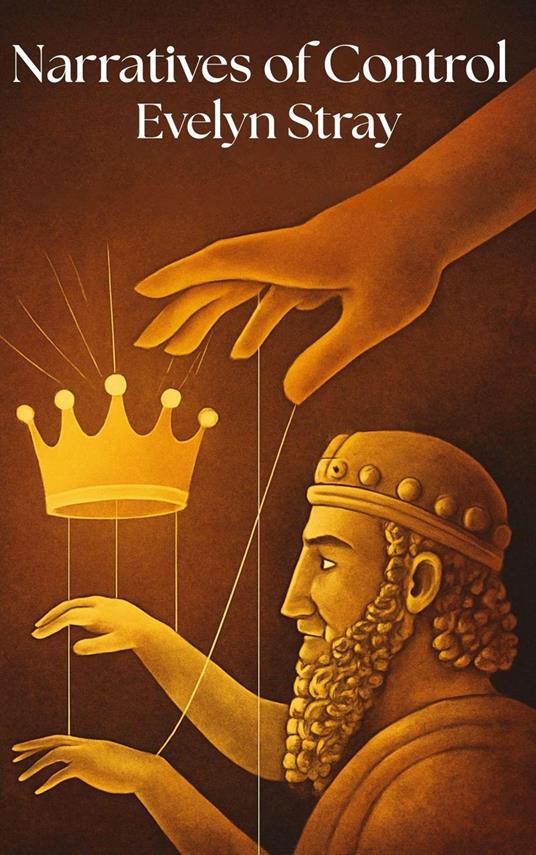
Evelyn Stray's work delves into the role of narratives in shaping power structures, from ancient mythologies to modern religions and political systems. Stray reveals how stories, whether through divine kingship or the concept of submission, have been instrumental in establishing and maintaining societal hierarchies. The Epic of Gilgamesh serves as an early example, where the story of Gilgamesh, a king who is two-thirds god, solidifies the idea of divine authority. The narrative depicts his journey from a tyrannical ruler to a more reflective one, illustrating the complexities of power and its necessity in maintaining societal order. In this epic, the portrayal of Gilgamesh's relationship with the gods and his subjects reinforces the divine legitimacy of kingship, a concept that resonated throughout ancient Mesopotamian society. Similarly, Egyptian mythology centers on the divine nature of pharaohs, positioning them as mediators between gods and men. The power of the pharaoh, legitimized through rituals and monumental architecture, was a tool for social control. Stories like that of Osiris and Horus not only affirmed the pharaoh's authority but also reinforced social and cosmic order. The visual arts, like the colossal statues of pharaohs, further bolstered this divine image, constantly reminding the public of their ruler's supremacy. Greek mythology, while focusing on individual heroes like Odysseus and Hercules, also served to reinforce the broader societal order. The Odyssey emphasizes the patriarchal ideals of leadership and the submission of chaotic forces to maintain order. Odysseus's journey, although filled with personal triumphs, ultimately underscores the importance of masculine authority and the restoration of societal stability. The narrative of Hercules, through his twelve labors, similarly portrays the subjugation of disorder, reinforcing the societal need for strength and control. Stray transitions from these ancient mythologies to the Abrahamic religions, where the narratives of divine authority evolve. In Judaism, Christianity, and Islam, the concept of submission to God's will becomes central. In Christianity, the narrative of salvation through Jesus introduces a divine framework that not only governs spiritual life but also influences societal norms, often reinforcing hierarchical structures. Similarly, the Quran emphasizes submission to God's will, with the Prophet Muhammad's teachings shaping political and social structures, further consolidating religious authority as a mechanism for societal control. This narrative control, however, isn't solely an ancient phenomenon. The Enlightenment's emphasis on reason and progress served to justify European colonialism, framing non-Western societies as "irrational" and in need of Western "civilization." This narrative of progress masked the brutal realities of colonization and served to justify the exploitation of other cultures. The Industrial Revolution further exemplifies how the narrative of progress can be used to legitimize social inequalities. While the narrative of technological advancement promised a brighter future, it concealed the exploitation of labor and environmental degradation. The seemingly objective pursuit of economic growth masked the concentration of power and wealth in the hands of a few, perpetuating societal and ecological damage.
-
Autore:
-
Anno edizione:2025
-
Editore:
-
Formato:
-
Lingua:Inglese
Compatibilità:
Tutti i dispositivi (eccetto Kindle) Scopri di più
Layout:
Reflowable
EAN:
9798232629793
Formato:
Gli eBook venduti da Feltrinelli.it sono in formato ePub e possono essere protetti da Adobe DRM. In caso di download di un file protetto da DRM si otterrà un file in formato .acs, (Adobe Content Server Message), che dovrà essere aperto tramite Adobe Digital Editions e autorizzato tramite un account Adobe, prima di poter essere letto su pc o trasferito su dispositivi compatibili.
Cloud:
Gli eBook venduti da Feltrinelli.it sono sincronizzati automaticamente su tutti i client di lettura Kobo successivamente all’acquisto. Grazie al Cloud Kobo i progressi di lettura, le note, le evidenziazioni vengono salvati e sincronizzati automaticamente su tutti i dispositivi e le APP di lettura Kobo utilizzati per la lettura.
Clicca qui per sapere come scaricare gli ebook utilizzando un pc con sistema operativo Windows
