









EBOOK IN LINGUA STRANIERA





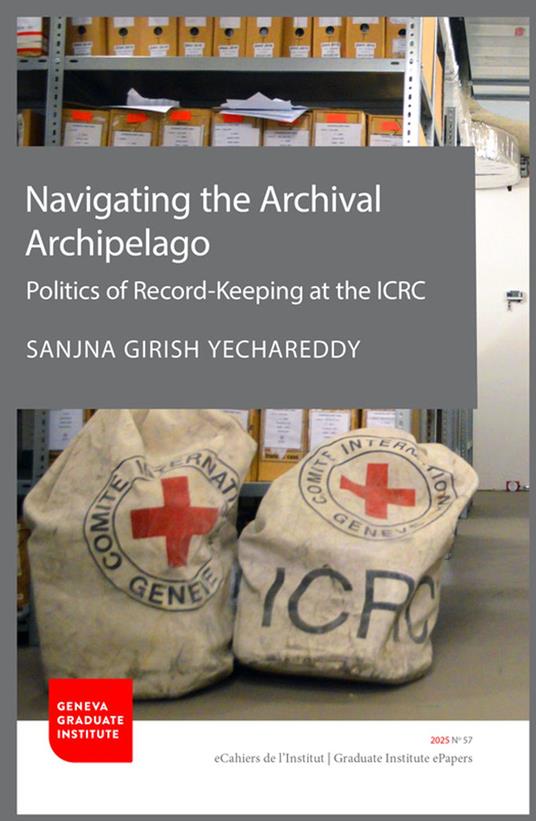
Navigating the Archival Archipelago

0,99 €
+10
punti 

Venditore: Feltrinelli

Acquisto online
Scaricabile subito
Articolo acquistabile con Carta del Docente

Articolo acquistabile con Carta Cultura Giovani e Carta del Merito

Dati e Statistiche
 Salvato in 0 liste dei desideri
Salvato in 0 liste dei desideri
Navigating the Archival Archipelago
Scaricabile subito
0,99 €
0,99 €
Scaricabile subito
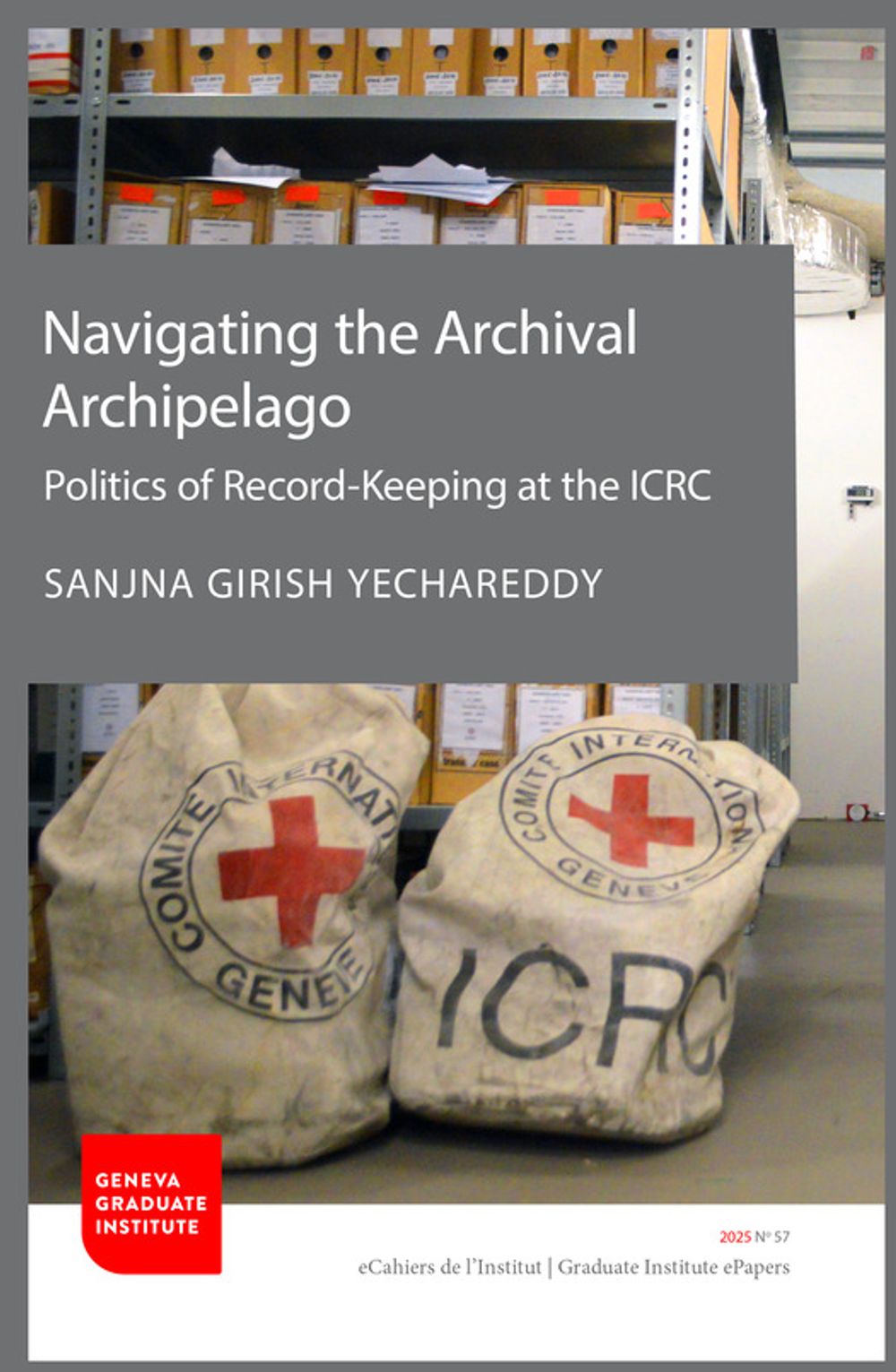



How should we understand the politics and practice of record-keeping in a humanitarian institution? What institutional dynamics does the operation of an archive reflect? Disrupting the assumption that archives are static spaces, this paper explores how archives (defined as both the site and material) are entangled in the operations of the International Committee of the Red Cross (ICRC). By attempting to analyse the archive as an entity through sources it holds about its creation, interviews with archivists and staff at the ICRC and observation in archival spaces, this paper illustrates the possibilities of an ethnographic approach to archival politics. By reconstructing the history of the archives through the imprints of archival labour, the ICRC’s archives are conceptualised as an archipelago - with the boundaries of its constitutive islands constantly shifting. By navigating through the archipelago, we see competing institutional concerns unfold within and between the islands. First, the ICRC’s confidential approach and its implications for record-keeping are explored through the emergence of ‘archival anxieties’ – shifting from archivist to researcher. In contrast, the imperative force of communication on the circulation of photographs within the archive islands is examined. Through this ethnographic and historical exploration of the archival archipelago, one can see the implications for ongoing debates about institutional memory and history which unfold beyondthe ICRC. These dilemmas continueto have implications for the state of flux within the archival archipelago, attempting to stay afloat in the age of compounding humanitarian crises.We extend our heartfelt thanks to the Vahabzadeh Foundation for financially supporting the publication of best works by young researchers of the Graduate Institute, giving a priority to those who have been awarded academic prizes for their master’s dissertations.
-
Autore:
-
Anno edizione:2025
-
Editore:
-
Formato:
-
Lingua:Inglese
Compatibilità:
Tutti i dispositivi (eccetto Kindle) Scopri di più
Layout:
Reflowable
EAN:
9782940600618
Formato:
Gli eBook venduti da Feltrinelli.it sono in formato ePub e possono essere protetti da Adobe DRM. In caso di download di un file protetto da DRM si otterrà un file in formato .acs, (Adobe Content Server Message), che dovrà essere aperto tramite Adobe Digital Editions e autorizzato tramite un account Adobe, prima di poter essere letto su pc o trasferito su dispositivi compatibili.
Cloud:
Gli eBook venduti da Feltrinelli.it sono sincronizzati automaticamente su tutti i client di lettura Kobo successivamente all’acquisto. Grazie al Cloud Kobo i progressi di lettura, le note, le evidenziazioni vengono salvati e sincronizzati automaticamente su tutti i dispositivi e le APP di lettura Kobo utilizzati per la lettura.
Clicca qui per sapere come scaricare gli ebook utilizzando un pc con sistema operativo Windows
