









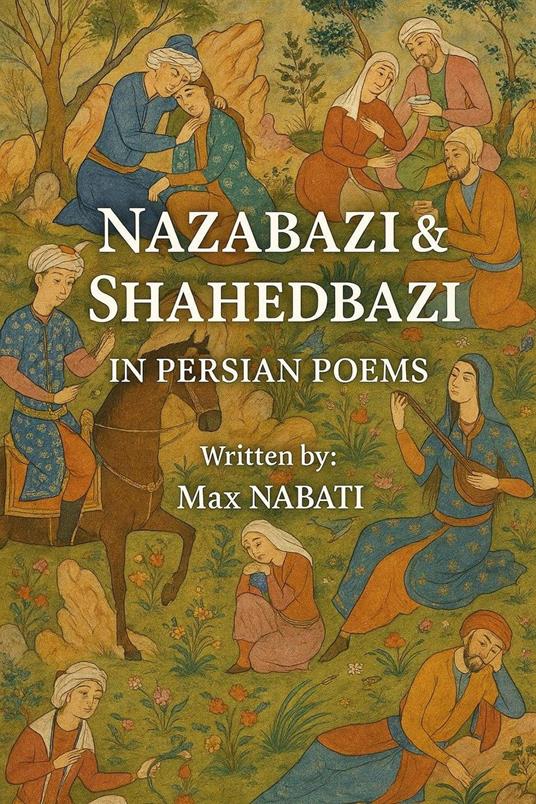
EBOOK IN LINGUA STRANIERA





Nazarbazi & Shahedbazi in Persian poems

4,49 €
+40
punti 
Prezzo minimo ultimi 30 giorni: 2,99 €

Venditore: Feltrinelli

Acquisto online
Scaricabile subito
Articolo acquistabile con Carta del Docente

Articolo acquistabile con Carta Cultura Giovani e Carta del Merito

Abbonati a Kobo plus per avere accesso illimitato a questo contenuto

Dati e Statistiche
 Salvato in 0 liste dei desideri
Salvato in 0 liste dei desideri
Nazarbazi & Shahedbazi in Persian poems
Scaricabile subito
4,49 €
4,49 €
Scaricabile subito
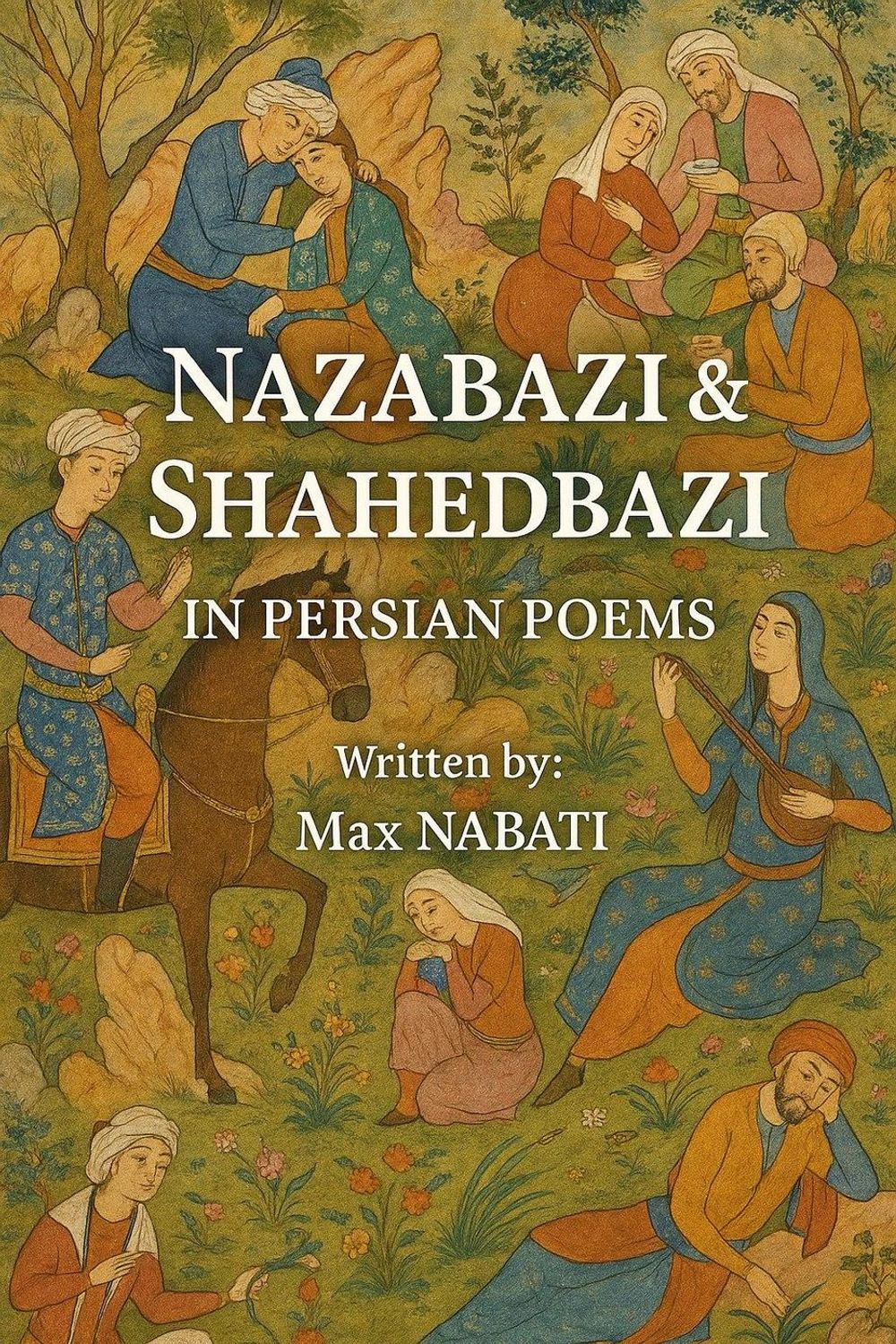



"Nazarbazi & Shahedbazi in Persian Poems" by Max Nabati is a comprehensive 361-page exploration of two significant concepts deeply embedded in the rich tapestry of Persian literature. Dedicated to Saadi, the master of Persian poetry, this work delves into the intricate themes of "Nazarbazi" and "Shahedbazi," offering a detailed linguistic and semantic analysis of their roles in classical poetry. The book begins with an introduction to these terms, setting the stage for a journey through cultural, historical, and poetic dimensions. "Nazarbazi," translating to "the game of the eye" or "play of the eye," is portrayed as a traditional Iranian practice, particularly among women, where subtle glances and eye contact serve as a form of flirtation or courtship. This non-verbal communication transcends spoken words, emphasizing the eye as a powerful symbol of beauty and desire. The text highlights its association with courtly love, where the beloved's gaze becomes an object of worship, blending allure with unattainable beauty. Key poets like Hafez, Rumi, Omar Khayyam, Saadi, and Saeb Tabrizi are examined for their use of Nazarbazi, with themes such as symbolism of the eye, non-verbal communication, and metaphysical dimensions explored in depth. In contrast, "Shahedbazi" combines themes of beauty, love, and often the divine or spiritual, with "shahed" meaning "witness" or "beloved" and "bazi" denoting "play" or "engagement." This concept is prevalent in Persian poetry, where poets engage with the beloved through rich imagery and metaphor, often pursuing spiritual truths alongside romantic and sexual undertones. The book differentiates the two terms, noting that while Nazarbazi focuses on the act of observing and visual beauty, Shahedbazi encompasses deeper emotional and romantic interactions, with a more pronounced sexual connotation. The work also addresses Nazarbazi within the context of same-sex desire among old gay poets, exploring subtle expressions of love, idealization of beauty, and camaraderie. It includes a review of previous research by scholars like Ahmad Karimi-Hakkak, William L. Hanaway, and Sirus Shamisa, alongside references to the Ganjoor website and an extensive collection of related poems. With its detailed analysis and cultural insights, this book serves as a valuable resource for understanding the nuanced interplay of love, beauty, and spirituality in Persian poetry.
-
Autore:
-
Anno edizione:2025
-
Editore:
-
Formato:
-
Lingua:Inglese
Compatibilità:
Tutti i dispositivi (eccetto Kindle) Scopri di più
Layout:
Reflowable
EAN:
9798232201869
Formato:
Gli eBook venduti da Feltrinelli.it sono in formato ePub e possono essere protetti da Adobe DRM. In caso di download di un file protetto da DRM si otterrà un file in formato .acs, (Adobe Content Server Message), che dovrà essere aperto tramite Adobe Digital Editions e autorizzato tramite un account Adobe, prima di poter essere letto su pc o trasferito su dispositivi compatibili.
Cloud:
Gli eBook venduti da Feltrinelli.it sono sincronizzati automaticamente su tutti i client di lettura Kobo successivamente all’acquisto. Grazie al Cloud Kobo i progressi di lettura, le note, le evidenziazioni vengono salvati e sincronizzati automaticamente su tutti i dispositivi e le APP di lettura Kobo utilizzati per la lettura.
Clicca qui per sapere come scaricare gli ebook utilizzando un pc con sistema operativo Windows
