









EBOOK IN LINGUA STRANIERA





The Organization of the Mind

20,48 €
+200
punti 
Venditore: Feltrinelli
Articolo acquistabile con Carta del Docente

Articolo acquistabile con Carta Cultura Giovani e Carta del Merito

Dati e Statistiche
 Salvato in 0 liste dei desideri
Salvato in 0 liste dei desideri
The Organization of the Mind
Disponibile dal 19/12/25
20,48 €
20,48 €
Disp. dal 19/12/25

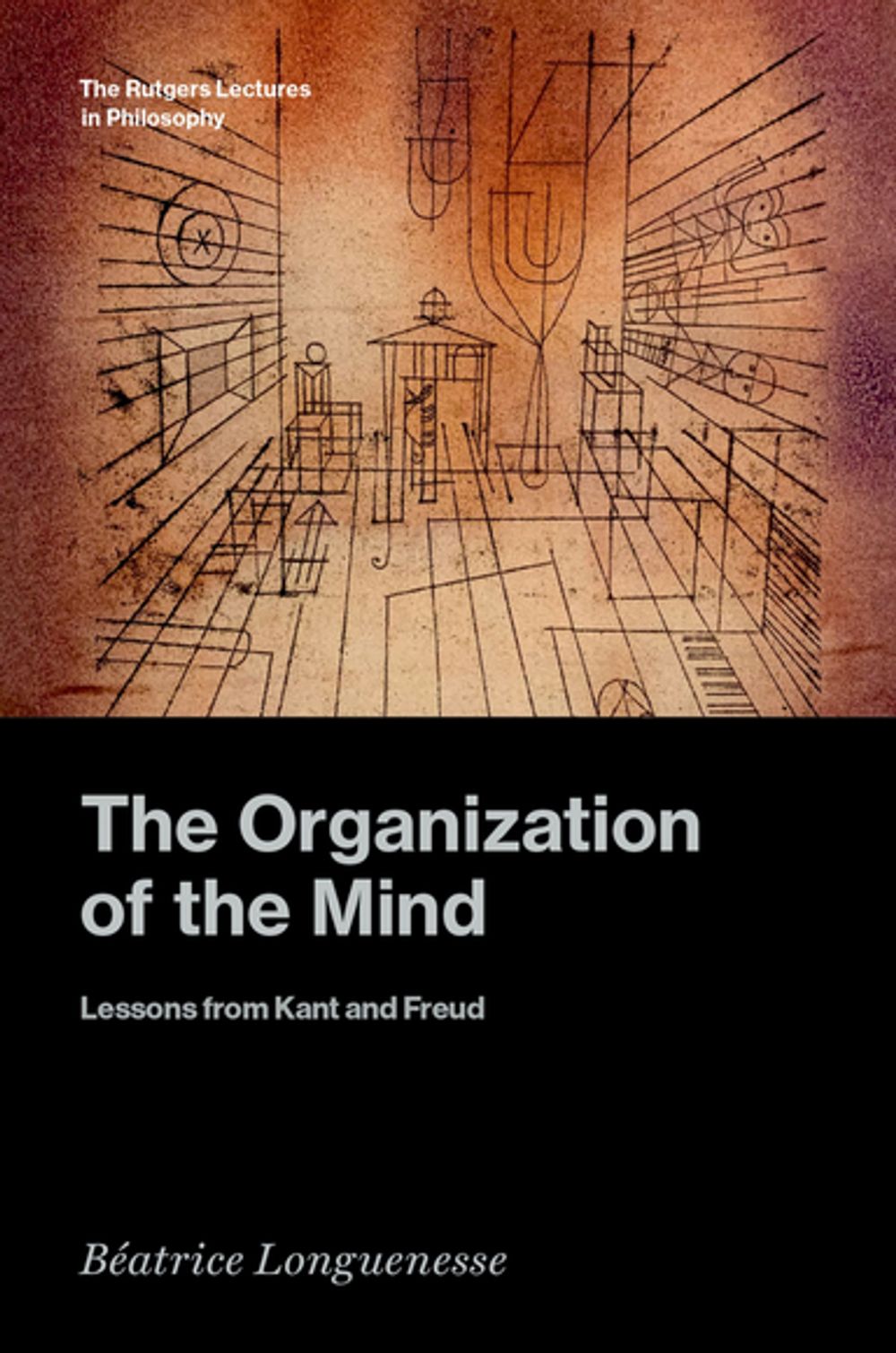




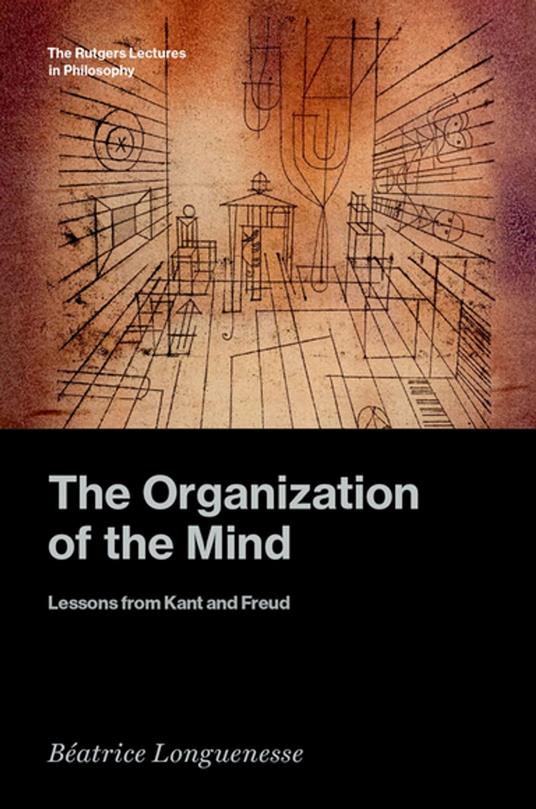
As a prominent figure of the 18th century Enlightenment, Kant advocated faith in reason and in the possibility of human progress through the development of human beings' rational capacities. In contrast, as the founder of 20th century psychoanalysis, Freud revealed that rationality itself is rooted in the non-rational soil of mental life. For Freud, rational thinking is pervaded with irrational motivations for thinking and acting. For Kant, the capacity to affirm and endorse on rational grounds one's beliefs and actions is the highest capacity in human beings, one that raises them above all other living beings. Those contrasts between the two thinkers have led to countless philosophical manifestos pitting Freud and Kant against each other. Some accuse Kant of having played a central role in the promotion of the hubris of modern rationality, which resulted in the domination and destruction of nature. Others accuse Freud of being a prime culprit in the attacks against reason, progress and the very possibility of a better future for humanity. In The Organization of the Mind, Béatrice Longuenesse paints a more nuanced picture. She arguesthat Kant's analysis of our mental capacities reveals deep-seated and irresolvable conflicts within the mind--an insight that brings him closer to Freud than is often recognized. At the same time, Freud's concept of “the unconscious” is as original and revolutionary as Freud claimed. Freud developed that concept in connection to aspects of the mind that earlier philosophers had touched upon but never fully explored: the organization of memory traces and the way they are shaped by emotions and affects. The dynamic interplay of memory, emotion, and affect significantly influences rational thinking itself. Freud's articulation of these connections gives his theory of the unconscious its distinctive power. The Organization of the Mind, based on the author's Rutgers Lectures in Philosophy and the Isaiah Berlin Lectures she gave a year later at Oxford University, creates space for a dialogue between Kant's and Freud's first-personperspectives onthe mind, on the one hand;and, on the other, the third-person approaches of affective and cognitive neuroscience, particularly in the study of memory. These convergences offer fresh directions for contemporary philosophy of mind and psychology.
-
Autore:
-
Anno edizione:2025
-
Editore:
-
Formato:
-
Lingua:Inglese
Compatibilità:
Tutti i dispositivi (eccetto Kindle) Scopri di più
Layout:
Reflowable
EAN:
9780197781289
Formato:
Gli eBook venduti da Feltrinelli.it sono in formato ePub e possono essere protetti da Adobe DRM. In caso di download di un file protetto da DRM si otterrà un file in formato .acs, (Adobe Content Server Message), che dovrà essere aperto tramite Adobe Digital Editions e autorizzato tramite un account Adobe, prima di poter essere letto su pc o trasferito su dispositivi compatibili.
Cloud:
Gli eBook venduti da Feltrinelli.it sono sincronizzati automaticamente su tutti i client di lettura Kobo successivamente all’acquisto. Grazie al Cloud Kobo i progressi di lettura, le note, le evidenziazioni vengono salvati e sincronizzati automaticamente su tutti i dispositivi e le APP di lettura Kobo utilizzati per la lettura.
Clicca qui per sapere come scaricare gli ebook utilizzando un pc con sistema operativo Windows
