










LIBRO INGLESE





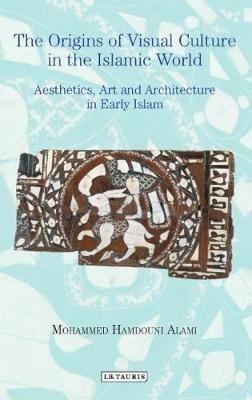
The Origins of Visual Culture in the Islamic World: Aesthetics, Art and Architecture in Early Islam

47,70 €
+480
punti 
Venditore: Feltrinelli
Articolo acquistabile con Carta del Docente

Articolo acquistabile con Carta Cultura Giovani e Carta del Merito

Paga con Klarna in 3 rate senza interessi per ordini superiori a 39 €

Dati e Statistiche
 Salvato in 0 liste dei desideri
Salvato in 0 liste dei desideri
The Origins of Visual Culture in the Islamic World: Aesthetics, Art and Architecture in Early Islam
Disponibilità in 2 settimane
47,70 €
47,70 €
Disponibilità in 2 settimane
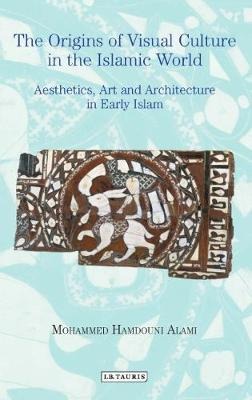



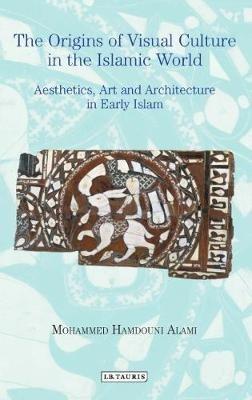
In tenth-century Iraq, a group of Arab intellectuals and scholars known as the Ikhwan al-Safa began to make their intellectual mark on the society around them. A mysterious organisation, the identities of its members have never been clear. But its contribution to the intellectual thought, philosophy, art and culture of the era - and indeed subsequent ones - is evident. In the visual arts, for example, Hamdouni Alami argues that the theory of human proportions which the Ikwan al-Safa propounded (something very similar to those of da Vinci), helped shape the evolution of the philosophy of aesthetics, art and architecture in the tenth and eleventh centuries CE, in particular in Egypt under the Fatimid rulers. With its roots in Pythagorean and Neoplatonic views on the role of art and architecture, the impact of this theory of specific and precise proportion was widespread. One of the results of this extensive influence is a historic shift in the appreciation of art and architecture and their perceived role in the cultural sphere. The development of the understanding of the interplay between ethics and aesthetics resulted in a movement which emphasised more abstract and pious contemplation of art, as opposed to previous views which concentrated on the enjoyment of artistic works (such as music, song and poetry). And it is with this shift that we see the change in art forms from those devoted to supporting the Umayyad caliphs and the opulence of the Abbasids, to an art which places more emphasis on the internal concepts of 'reason' and 'spirituality'.Using the example of Fatimid art and views of architecture (including the first Fatimid mosque in al-Mahdiyya, Tunisia), Hamdouni Alami offers analysis of the debates surrounding the ethics and aesthetics of the appreciation of Islamic art and architecture from a vital time in medieval Middle Eastern history, and shows their similarity with aesthetic debates of Italian Renaissance.
-
Autore:
-
Editore:
-
Anno:2018
-
Rilegatura:Paperback / softback
-
Pagine:200 p.
Testo in English
Dimensioni:
216 x 138 mm
Peso:
240 gr.
EAN:
9781788310963
Informazioni e Contatti sulla Sicurezza dei Prodotti
Le schede prodotto sono aggiornate in conformità al Regolamento UE 988/2023. Laddove ci fossero taluni dati non disponibili per ragioni indipendenti da Feltrinelli, vi informiamo che stiamo compiendo ogni ragionevole sforzo per inserirli. Vi invitiamo a controllare periodicamente il sito www.lafeltrinelli.it per eventuali novità e aggiornamenti.
Per le vendite di prodotti da terze parti, ciascun venditore si assume la piena e diretta responsabilità per la commercializzazione del prodotto e per la sua conformità al Regolamento UE 988/2023, nonché alle normative nazionali ed europee vigenti.
Per informazioni sulla sicurezza dei prodotti, contattare productsafety@feltrinelli.it
