










EBOOK IN LINGUA STRANIERA





Philosophy in the Islamic World

5,91 €
+60
punti 
Venditore: Feltrinelli

Acquista online
Scaricabile subito
Articolo acquistabile con Carta del Docente

Articolo acquistabile con Carta Cultura Giovani e Carta del Merito

Dati e Statistiche
 Salvato in 1 lista dei desideri
Salvato in 1 lista dei desideri
Philosophy in the Islamic World
Scaricabile subito
5,91 €
5,91 €
Scaricabile subito
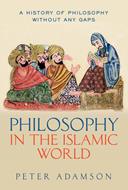





The latest in the series based on the popular History of Philosophy podcast, this volume presents the first full history of philosophy in the Islamic world for a broad readership. It takes an approach unprecedented among introductions to this subject, by providing full coverage of Jewish and Christian thinkers as well as Muslims, and by taking the story of philosophy from its beginnings in the world of early Islam all the way through to the twentieth century. Major figures like Avicenna, Averroes, and Maimonides are covered in great detail, but the book also looks at less familiar thinkers, including women philosophers. Attention is also given to the philosophical relevance of Islamic theology (kalam) and mysticism--the Sufi tradition within Islam, and Kabbalah among Jews--and to science, with chapters on disciplines like optics and astronomy. The book is divided into three sections, with the first looking at the first blossoming of Islamic theology and responses to the Greek philosophical tradition in the world of Arabic learning. This 'formative period' culminates with the work of Avicenna, the pivotal figure to whom most later thinkers feel they must respond. The second part of the book discusses philosophy in Muslim Spain (Andalusia), where Jewish philosophers come to the fore, though this is also the setting for such thinkers as Averroes and Ibn Arabi. Finally, a third section looks in unusual detail at later developments, touching on philosophy in the Ottoman, Mughal, and Safavid empires and showing how thinkers in the nineteenth to the twentieth century were still concerned to respond to the ideas that had animated philosophy in the Islamic world for centuries, while also responding to political and intellectual challenges from the European colonial powers.
-
Autore:
-
Anno edizione:2018
-
Editore:
-
Formato:
-
Lingua:Inglese
Compatibilità:
Tutti i dispositivi (eccetto Kindle) Scopri di più
Layout:
Reflowable
EAN:
9780191084850
Formato:
Gli eBook venduti da Feltrinelli.it sono in formato ePub e possono essere protetti da Adobe DRM. In caso di download di un file protetto da DRM si otterrà un file in formato .acs, (Adobe Content Server Message), che dovrà essere aperto tramite Adobe Digital Editions e autorizzato tramite un account Adobe, prima di poter essere letto su pc o trasferito su dispositivi compatibili.
Cloud:
Gli eBook venduti da Feltrinelli.it sono sincronizzati automaticamente su tutti i client di lettura Kobo successivamente all’acquisto. Grazie al Cloud Kobo i progressi di lettura, le note, le evidenziazioni vengono salvati e sincronizzati automaticamente su tutti i dispositivi e le APP di lettura Kobo utilizzati per la lettura.
Clicca qui per sapere come scaricare gli ebook utilizzando un pc con sistema operativo Windows
