










LIBRO INGLESE





Postsocialist Pathways: Transforming Politics and Property in East Central Europe

133,20 €
+1330
punti 

Venditore: Feltrinelli
Articolo acquistabile con Carta del Docente

Articolo acquistabile con Carta Cultura Giovani e Carta del Merito

Paga con Klarna in 3 rate senza interessi per ordini superiori a 39 €

Dati e Statistiche
 Salvato in 0 liste dei desideri
Salvato in 0 liste dei desideri
Postsocialist Pathways: Transforming Politics and Property in East Central Europe
Disponibilità in 2 settimane
133,20 €
133,20 €
Disp. in 2 settimane
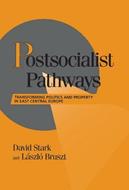





Can property regimes be successfully transformed while simultaneously extending citizenship rights to the property-less? This is the postsocialist challenge analyzed in this comparative study of the new democracies of a distinctly East European capitalism. Tracing the diverse pathways from the collapse of communism, a leading American economic sociologist and a pioneering Hungarian political scientist examine the innovative character, born of necessity, of postsocialist institutions in which actors are recombining economic assets and redefining political resources. Under conditions of extraordinary uncertainty, networks of enterprises become the units of economic restructuring, blurring the boundaries of public and private and yielding distinctive patterns of interorganizational ownership. In contrast to calls to liberate the market or to liberate the state, this sustained comparative analysis demonstrates the benefits of deliberative institutions that are neither market friendly nor hierarchical. By extending accountability, actors bound through associative ties make agreements that extend the authority to carry out reforms.
-
Autore:
-
Editore:
-
Collana:Cambridge Studies in Comparative Politics
-
Anno:1998
-
Rilegatura:Hardback
-
Pagine:298 p.
Testo in English
Dimensioni:
229 x 152 mm
Peso:
570 gr.
EAN:
9780521580359
Informazioni e Contatti sulla Sicurezza dei Prodotti
Le schede prodotto sono aggiornate in conformità al Regolamento UE 988/2023. Laddove ci fossero taluni dati non disponibili per ragioni indipendenti da Feltrinelli, vi informiamo che stiamo compiendo ogni ragionevole sforzo per inserirli. Vi invitiamo a controllare periodicamente il sito www.lafeltrinelli.it per eventuali novità e aggiornamenti.
Per le vendite di prodotti da terze parti, ciascun venditore si assume la piena e diretta responsabilità per la commercializzazione del prodotto e per la sua conformità al Regolamento UE 988/2023, nonché alle normative nazionali ed europee vigenti.
Per informazioni sulla sicurezza dei prodotti, contattare productsafety@feltrinelli.it
