









EBOOK IN LINGUA STRANIERA





The Roman Arch

95,98 €
+960
punti 
Venditore: Feltrinelli
Articolo acquistabile con Carta del Docente

Articolo acquistabile con Carta Cultura Giovani e Carta del Merito

Dati e Statistiche
 Salvato in 0 liste dei desideri
Salvato in 0 liste dei desideri
The Roman Arch
Disponibile dal 2/01/26
95,98 €
95,98 €
Disponibile dal 2/01/26
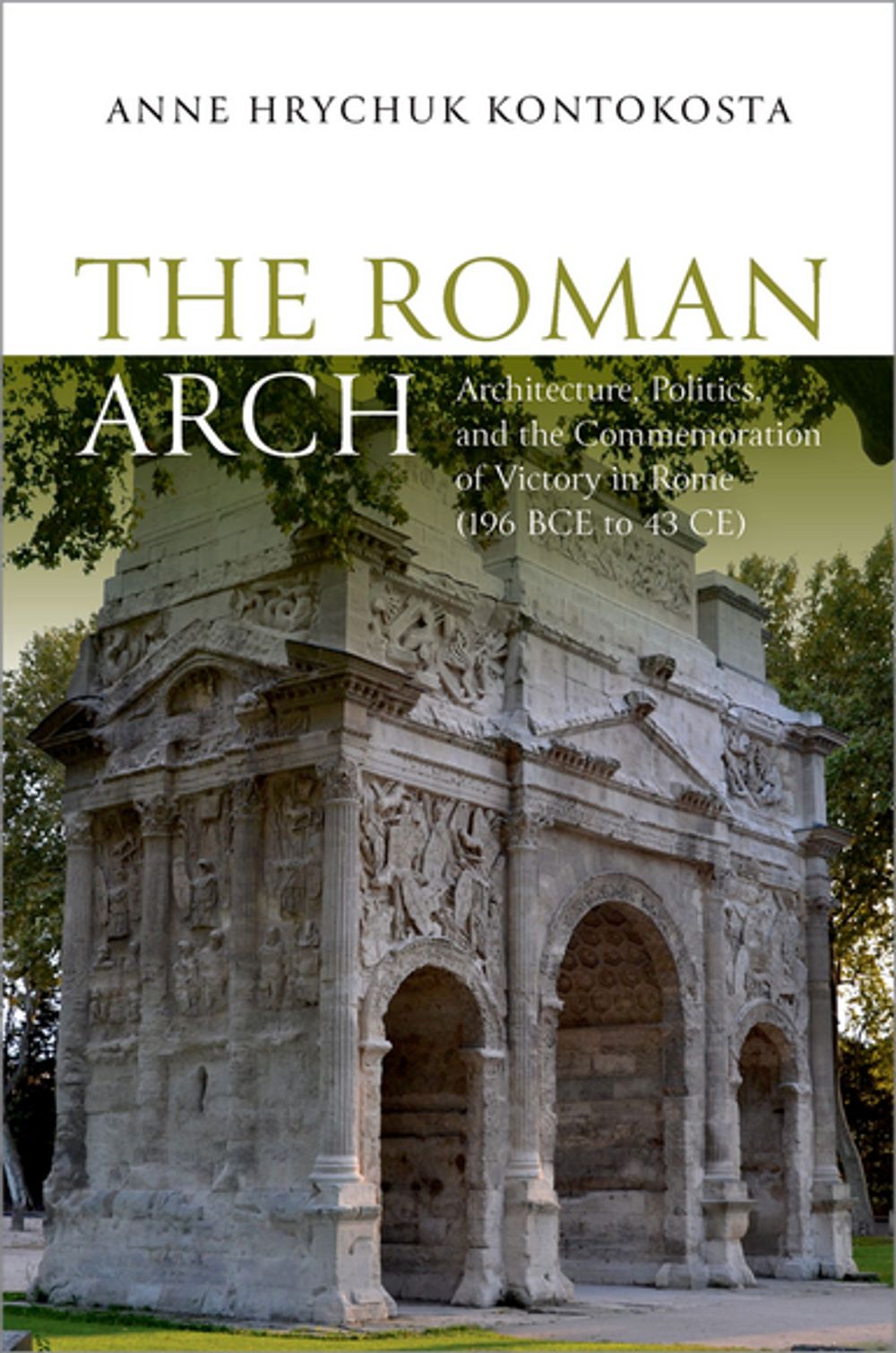



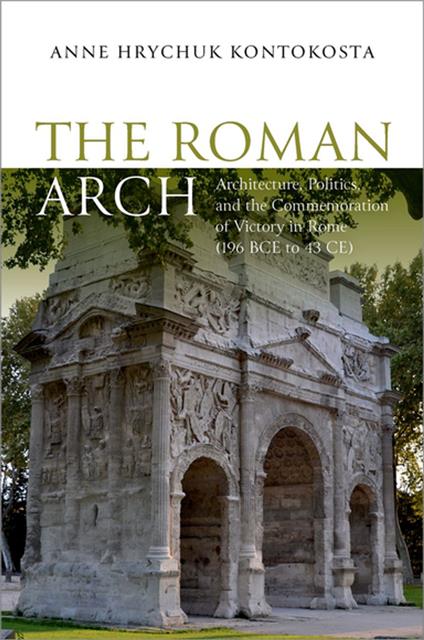
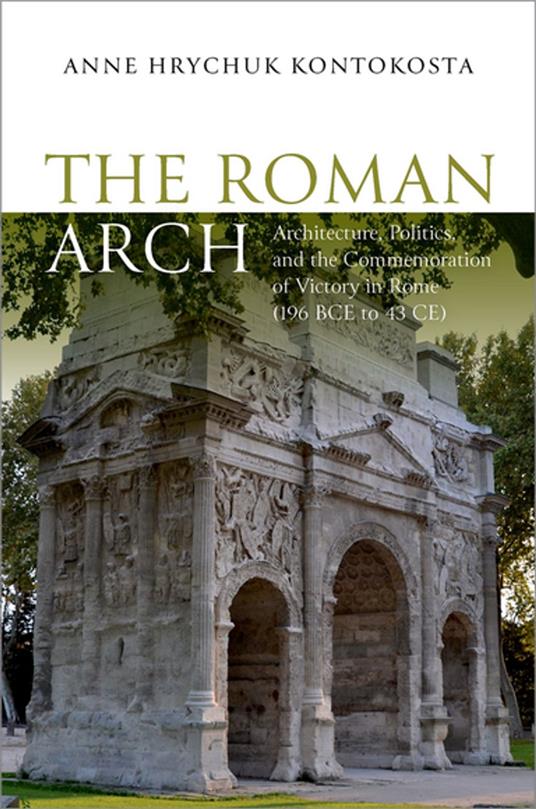
The freestanding arch is one of Roman architecture's most innovative and distinctive structures. Despite its ubiquity throughout the Roman Empire, little attention has been paid to the first monuments constructed in the city of Rome. The Roman Arch addresses this gap by focussing on the formative period of the freestanding Roman arches, known as fornices, and the socio-political contexts that facilitated their beginnings during the early years of the Middle Republic. Drawing on the fields of archaeology, classics, art history, anthropology, and the cognitive sciences, Anne Hrychuk Kontokosta uses the arch as a diagnostic tool to assess widespread changes in the functions and meanings of architecture in ancient Rome. Kontokosta shows significant links between the first arches and key Roman generals who celebrated military victories in Spain at the end of the Second Punic War, arguing that the uniquely ad hoc system of granting Roman military honors for victories during this period of rapid territorial expansion explains why the arch can be viewed as an alternative form of victory monument for those who were not granted the official ceremony of the triumph in Rome. By investigating the adoption of the freestanding arch as a symbol of military victory by Rome's first emperor, Augustus, Kontokosta demonstrates that collective Roman memories linking the fornix to the Middle Republic were critical to Augustan patronage. While the triumph was curtailed in the late first century BCE, the arch became an accessible proxy for celebrating military victory in Augustan Rome. Larger, more lavish Augustan arches expanded upon the old fornices of the Republic, creating a new and innovative imperial form incorporating triple bays, relief sculpture, and elaborate attic statuary. Hereafter, with their enduring ties to Rome's revered first emperor, these arches would be eagerly replicated throughout the Roman Empire.
-
Autore:
-
Anno edizione:2026
-
Editore:
-
Formato:
-
Lingua:Inglese
Compatibilità:
Tutti i dispositivi (eccetto Kindle) Scopri di più
Layout:
Reflowable
EAN:
9780197815083
Formato:
Gli eBook venduti da Feltrinelli.it sono in formato ePub e possono essere protetti da Adobe DRM. In caso di download di un file protetto da DRM si otterrà un file in formato .acs, (Adobe Content Server Message), che dovrà essere aperto tramite Adobe Digital Editions e autorizzato tramite un account Adobe, prima di poter essere letto su pc o trasferito su dispositivi compatibili.
Cloud:
Gli eBook venduti da Feltrinelli.it sono sincronizzati automaticamente su tutti i client di lettura Kobo successivamente all’acquisto. Grazie al Cloud Kobo i progressi di lettura, le note, le evidenziazioni vengono salvati e sincronizzati automaticamente su tutti i dispositivi e le APP di lettura Kobo utilizzati per la lettura.
Clicca qui per sapere come scaricare gli ebook utilizzando un pc con sistema operativo Windows
