









EBOOK IN LINGUA STRANIERA





Survival of the City

6,85 €
+70
punti 

Venditore: Feltrinelli

Acquisto online
Scaricabile subito
Articolo acquistabile con Carta del Docente

Articolo acquistabile con Carta Cultura Giovani e Carta del Merito

Dati e Statistiche
 Salvato in 0 liste dei desideri
Salvato in 0 liste dei desideri
Survival of the City
Scaricabile subito
6,85 €
6,85 €
Scaricabile subito
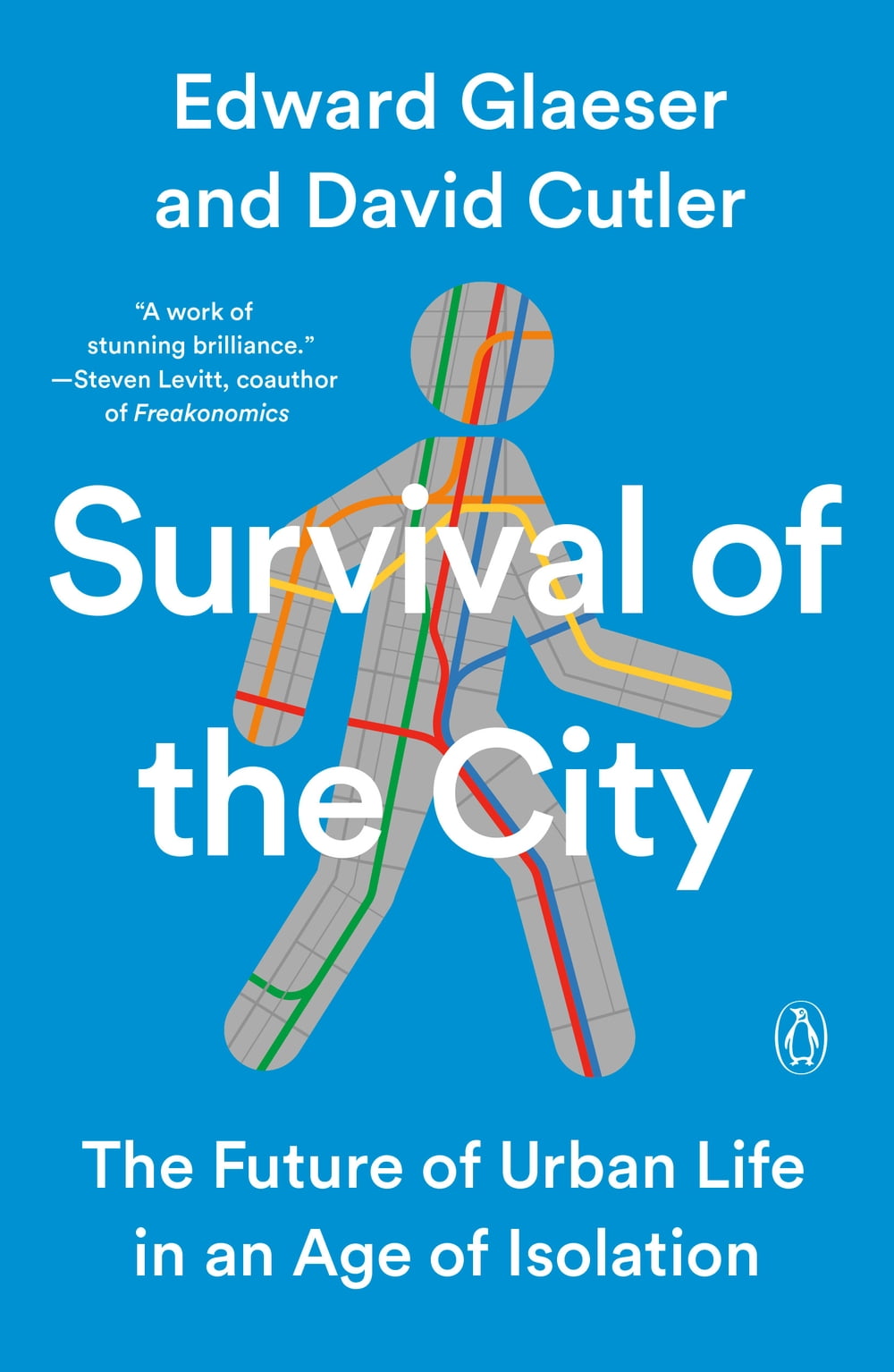



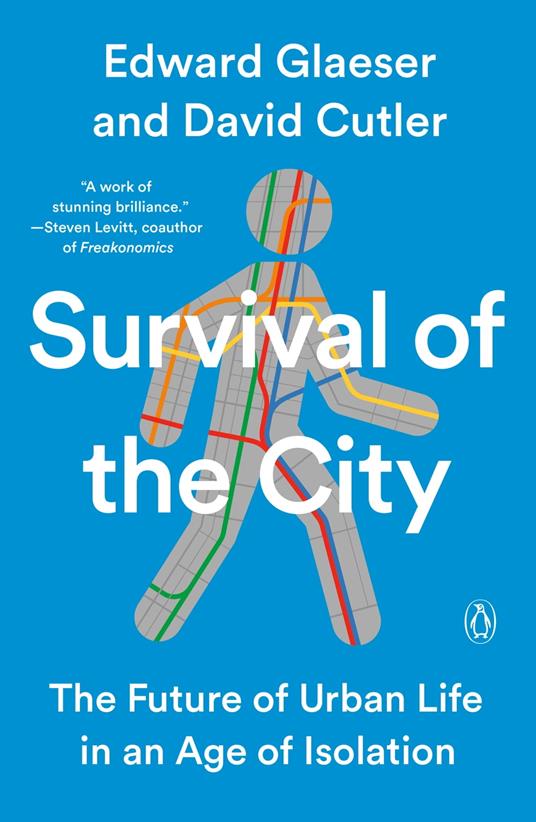
**“Expansive and entertaining. . . . [A] fast-paced and highly readable journey . . . the book serves as a useful tool in the effort to redefine the role of the city in an age of increasingly polarized politics, and reminds us that urban health is—as Fiorello La Guardia once remarked about cleaning the streets—not a Democratic or Republican issue.” —New York Times Book Review One of our great urbanists and one of our great public health experts join forces to reckon with how cities are changing in the face of existential threats the pandemic has only accelerated** Cities can make us sick. That’s always been true—diseases spread more easily when more people are close to one another. And cities have been demonized as breeding grounds for vice and crime from Sodom and Gomorrah on. But cities have flourished nonetheless because they are humanity’s greatest invention, indispensable engines for creativity, innovation, wealth, and civilization itself. But cities now stand at a crossroads. During the global COVID crisis, cities grew silent; the normal forms of socializing ground to a halt. How permanent are these changes? Advances in technology mean that many people can opt out of city life as never before. Will they? Are we on the brink of a post-urban world? City life will survive, but individual cities face terrible risks, argue Edward Glaeser and David Cutler, and a wave of urban failure would be absolutely disastrous. In terms of intimacy and inspiration, nothing can replace what cities offer. But great cities have always demanded great management, and our current crisis has exposed fearful gaps in our capacity for good governance. In America, Glaeser and Cutler argue, deep inequities in health care and education are a particular blight on the future of our cities; solving them will be the difference between our collective good health and a downward spiral to a much darker place.
-
Autore:
-
Anno edizione:2021
-
Editore:
-
Formato:
-
Lingua:Inglese
Compatibilità:
Tutti i dispositivi (eccetto Kindle) Scopri di più
Layout:
Reflowable
EAN:
9780593297698

Formato:
Gli eBook venduti da Feltrinelli.it sono in formato ePub e possono essere protetti da Adobe DRM. In caso di download di un file protetto da DRM si otterrà un file in formato .acs, (Adobe Content Server Message), che dovrà essere aperto tramite Adobe Digital Editions e autorizzato tramite un account Adobe, prima di poter essere letto su pc o trasferito su dispositivi compatibili.
Cloud:
Gli eBook venduti da Feltrinelli.it sono sincronizzati automaticamente su tutti i client di lettura Kobo successivamente all’acquisto. Grazie al Cloud Kobo i progressi di lettura, le note, le evidenziazioni vengono salvati e sincronizzati automaticamente su tutti i dispositivi e le APP di lettura Kobo utilizzati per la lettura.
Clicca qui per sapere come scaricare gli ebook utilizzando un pc con sistema operativo Windows
