









EBOOK IN LINGUA STRANIERA





Sustaining the Carrier War

23,70 €
+240
punti 

Venditore: Feltrinelli

Acquisto online
Scaricabile subito
Articolo acquistabile con Carta del Docente

Articolo acquistabile con Carta Cultura Giovani e Carta del Merito

Dati e Statistiche
 Salvato in 0 liste dei desideri
Salvato in 0 liste dei desideri
Sustaining the Carrier War
Scaricabile subito
23,70 €
23,70 €
Scaricabile subito
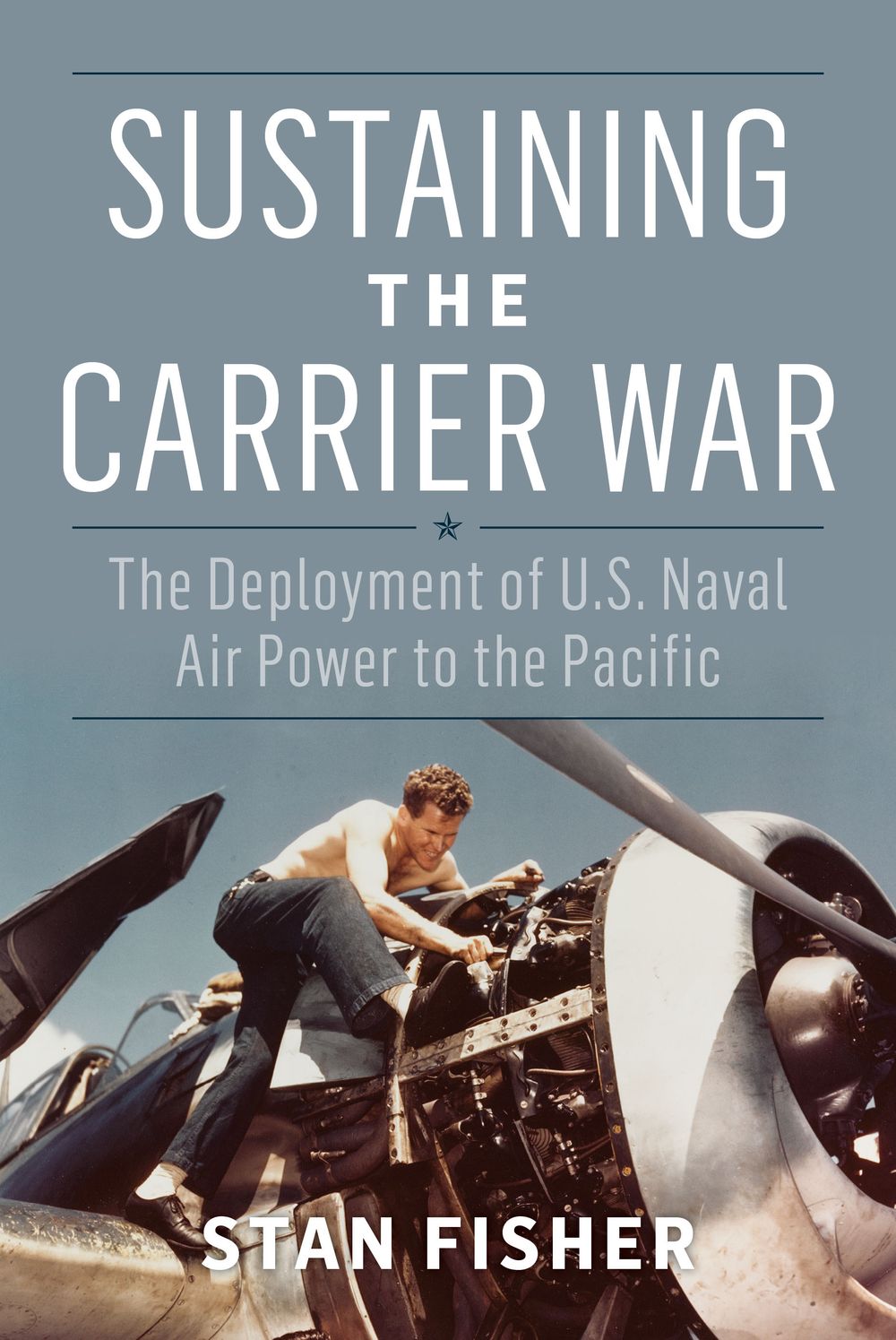



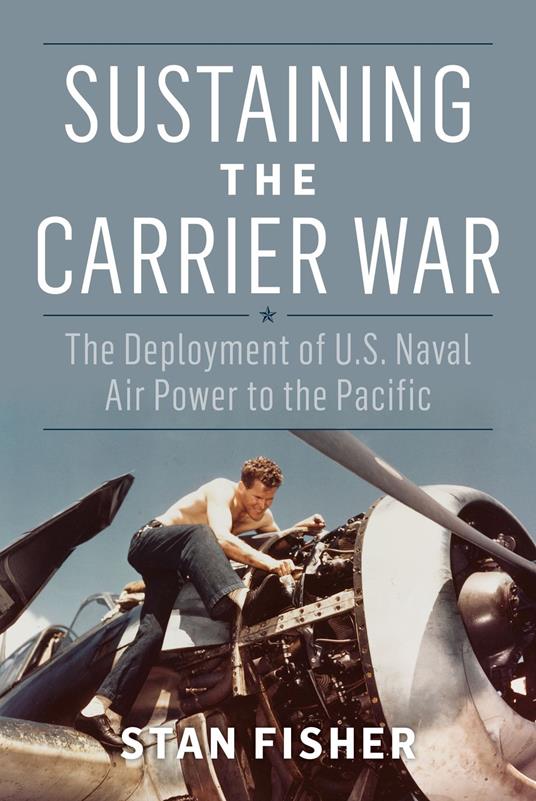
**Winner of the 2023 John R. Lyman Award in Maritime History, North American Naval History A 2024 Samuel Eliot Morison Award for Naval Literature Honorable Mention** The ability of the United States Navy to fight and win a protracted war in the Pacific was not solely the result of technology, tactics, or leadership. Naval aviation maintenance played a major role in the U.S. victory over Japan in the second World War. The naval war against Japan did not achieve sustained success until enough aircraft technicians were available to support the high tempo of aviation operations that fast carrier task force doctrine demanded. When the United States realized war was imminent and ordered a drastic increase in the size of its aviation fleet, the Navy was forced to reconsider its earlier practices and develop new policies in maintenance, supply, and technical training. Not only did a shortage of technicians plague the Navy, but the scarcity of aviation supply and repair facilities in the Pacific soon caused panic in Washington. While the surface Navy's modernization of at-sea replenishment was beneficial, it did not solve the problems of sustaining war-time aircraft readiness levels sufficient to a winning a naval air war. Fisher outlines the drastic institutional changes that accompanied an increase in aviation maintenance personnel from fewer than 10,000 to nearly 250,000 bluejackets, the complete restructuring of the naval aviation technical educational system, and the development of a highly skilled labor force. The first comprehensive study on the importance of aircraft maintenance and the aircraft technician in the age of the aircraft carrier, Sustaining the Carrier War, provides the missing link to our understanding of Great Power conflict at sea.
-
Autore:
-
Anno edizione:2023
-
Editore:
-
Formato:
-
Lingua:Inglese
Compatibilità:
Tutti i dispositivi (eccetto Kindle) Scopri di più
Layout:
Reflowable
EAN:
9781682478486
Formato:
Gli eBook venduti da Feltrinelli.it sono in formato ePub e possono essere protetti da Adobe DRM. In caso di download di un file protetto da DRM si otterrà un file in formato .acs, (Adobe Content Server Message), che dovrà essere aperto tramite Adobe Digital Editions e autorizzato tramite un account Adobe, prima di poter essere letto su pc o trasferito su dispositivi compatibili.
Cloud:
Gli eBook venduti da Feltrinelli.it sono sincronizzati automaticamente su tutti i client di lettura Kobo successivamente all’acquisto. Grazie al Cloud Kobo i progressi di lettura, le note, le evidenziazioni vengono salvati e sincronizzati automaticamente su tutti i dispositivi e le APP di lettura Kobo utilizzati per la lettura.
Clicca qui per sapere come scaricare gli ebook utilizzando un pc con sistema operativo Windows
