










EBOOK IN LINGUA STRANIERA





Traditional Chiefs in Southern Africa

2,49 €
+20
punti 
Venditore: Feltrinelli

Acquisto online
Scaricabile subito
Articolo acquistabile con Carta del Docente

Articolo acquistabile con Carta Cultura Giovani e Carta del Merito

Abbonati a Kobo plus per avere accesso illimitato a questo contenuto

Dati e Statistiche
 Salvato in 0 liste dei desideri
Salvato in 0 liste dei desideri
Traditional Chiefs in Southern Africa
Scaricabile subito
2,49 €
2,49 €
Scaricabile subito

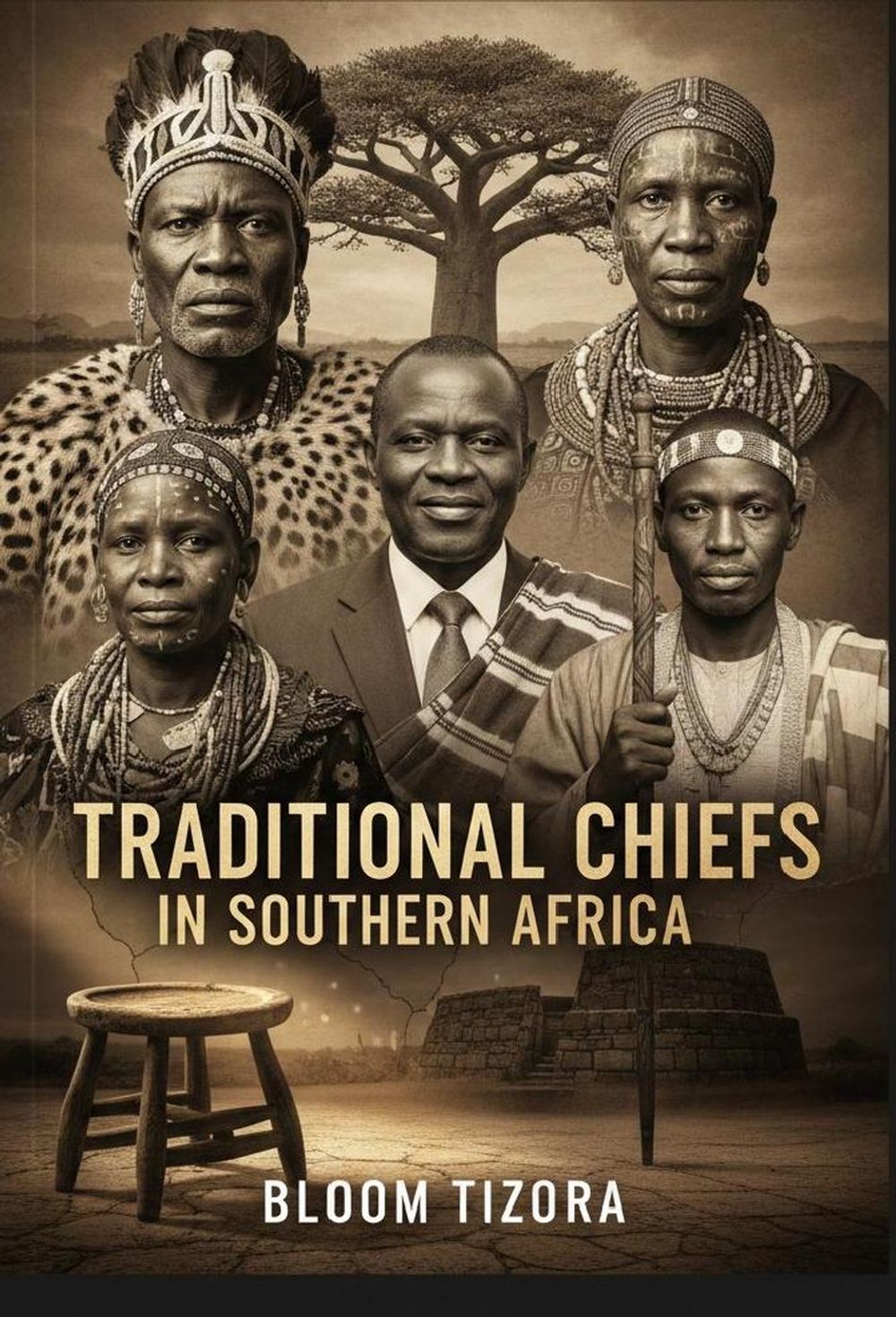



The persistence of the institution of Traditional Chieftaincy across Southern Africa stands as one of the most compelling contradictions of the modern state. In a region formally defined by democratic constitutions, multi-party elections, and centralized bureaucracies, millions of citizens still reserve their deepest political loyalty, spiritual fidelity, and judicial recourse for leaders whose authority is inherited from the ancestral realm, not earned through the ballot box. This book, "Traditional Chiefs in Southern Africa," is an attempt to dissect and illuminate this paradox. It moves beyond simplistic colonial or post-colonial narratives that often caricature Chiefs either as relics of the past or as mere political proxies of the ruling elite. Instead, it offers a detailed, functional analysis of the Chief as a contemporary political actor, an indispensable local administrator, a supreme jurist, and, crucially, the spiritual custodian of the people's identity and land. Our scope focuses specifically on the constitutional and customary dynamics within six key nations—South Africa, Botswana, Zimbabwe, Zambia, Malawi, and Mozambique—where the institution remains legislated, salaried, and operationally vital. The central argument woven through these chapters is that the Chief is not a competitor to the state but an embedded, essential partner. The survival of the chieftaincy is a testament to its adaptive capacity and its continuous effectiveness in governing the communal territories that the formal state apparatus often struggles to reach or understand. The book is structured to guide the reader through the Chief's multifaceted world: Part I: Foundation and Authority (Chapters 1–3) establishes the roots of legitimacy, exploring the sacred connection between the Chief, the ancestors, and the land, and setting the stage for the inevitable friction between inherited authority and modern political systems. Part II: Custodianship and Ritual (Chapters 4–5) delves into the Chief's role as the living archive. We examine how tradition, cultural aesthetics, and moral codes are enforced, and how the Chief manages the spiritual environment, from presiding over rain-making ceremonies to navigating the complex and sensitive politics of consulting with traditional healers and ruling on occult disputes. Part III: Administration and Justice (Chapters 6–7) analyzes the nuts-and-bolts of governance. Here, we map the administrative hierarchy, detailing how vast jurisdictions are managed through Headmen, and scrutinize the traditional court system—the Kgotla or Dare—which prioritizes restorative justice, resolves vital land disputes, and wields the ultimate disciplinary sanction of communal eviction. Part IV: The Modern Nexus (Chapters 8–10) confronts the Chief's entanglement with the state. We analyze how Chiefs have become central players in historical moments, from leading land reform movements to serving as conduits for state welfare distribution. Finally, we examine the formal legislative recognition, the politics of state remuneration and the "tools of office," and the core challenge of maintaining relevance in the face of rapid urbanization and deep jurisdictional overlap with elected democratic officials. This book is intended for scholars of African political economy, legal pluralism, and governance, as well as for policymakers seeking a deeper understanding of the forces that truly shape rural life. It is an invitation to engage with the oldest political institution in Africa, recognizing that the future of the continent is being forged not just in parliamentary halls, but also beneath the sacred shade of the ancestral tree where the Chief's court still sits.
-
Autore:
-
Anno edizione:2025
-
Editore:
-
Formato:
-
Lingua:Inglese
Compatibilità:
Tutti i dispositivi (eccetto Kindle) Scopri di più
Layout:
Reflowable
EAN:
9798232133207
Formato:
Gli eBook venduti da Feltrinelli.it sono in formato ePub e possono essere protetti da Adobe DRM. In caso di download di un file protetto da DRM si otterrà un file in formato .acs, (Adobe Content Server Message), che dovrà essere aperto tramite Adobe Digital Editions e autorizzato tramite un account Adobe, prima di poter essere letto su pc o trasferito su dispositivi compatibili.
Cloud:
Gli eBook venduti da Feltrinelli.it sono sincronizzati automaticamente su tutti i client di lettura Kobo successivamente all’acquisto. Grazie al Cloud Kobo i progressi di lettura, le note, le evidenziazioni vengono salvati e sincronizzati automaticamente su tutti i dispositivi e le APP di lettura Kobo utilizzati per la lettura.
Clicca qui per sapere come scaricare gli ebook utilizzando un pc con sistema operativo Windows
