










EBOOK IN LINGUA STRANIERA





Welfare Goes Global

76,64 €
+770
punti 
Venditore: Feltrinelli

Acquisto online
Scaricabile subito
Articolo acquistabile con Carta del Docente

Articolo acquistabile con Carta Cultura Giovani e Carta del Merito

Dati e Statistiche
 Salvato in 0 liste dei desideri
Salvato in 0 liste dei desideri
Welfare Goes Global
Scaricabile subito
76,64 €
76,64 €
Scaricabile subito

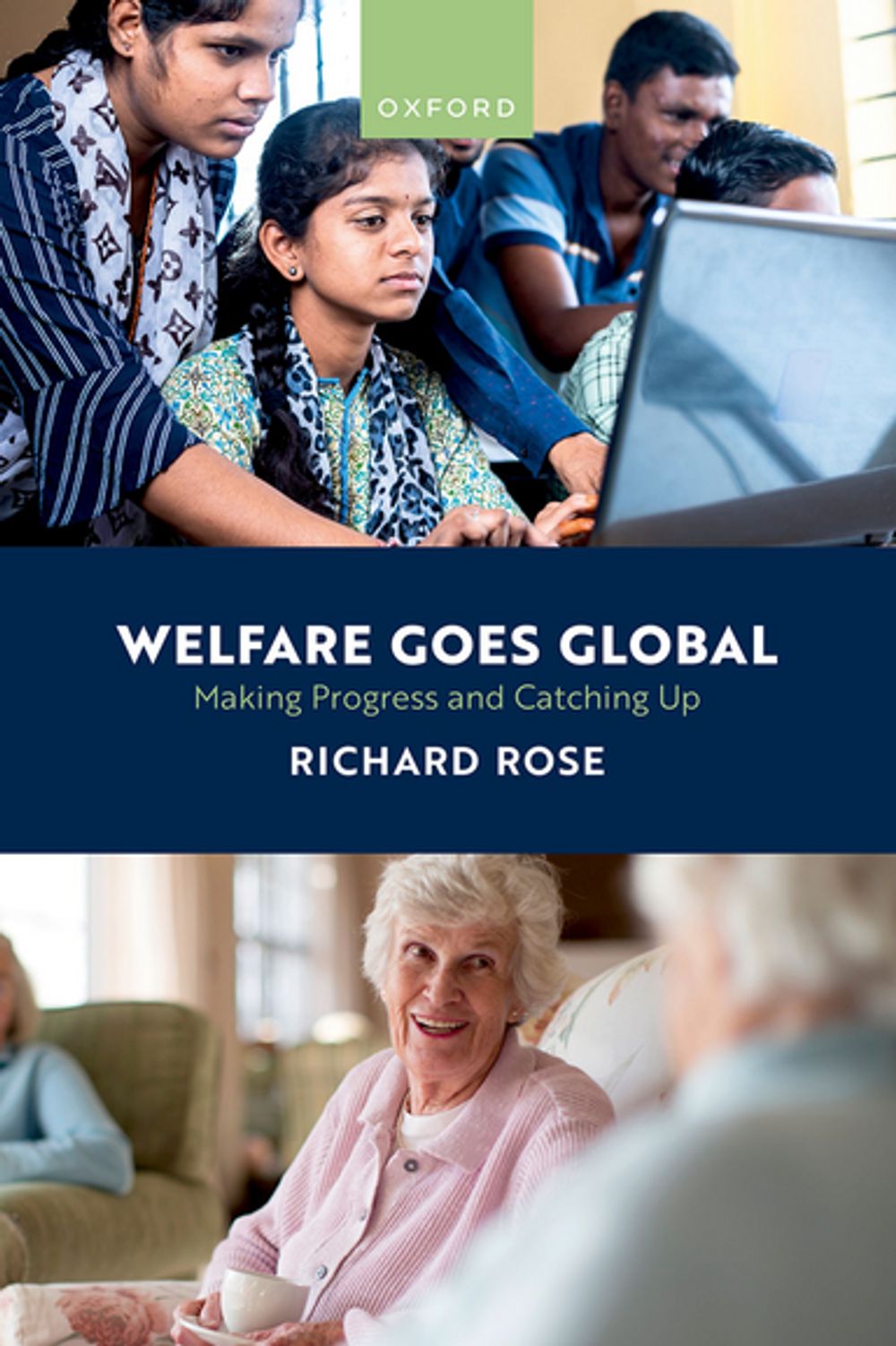



This innovative book shows that the health, education, and employment of billions of people have been improving on every continent in the past three decades. The globalization of welfare has had the biggest impact in developing countries, where more than five-sixths of the world's population lives. In Africa, Asia, Latin America, and the Middle East there has been great progress in eradicating infant mortality and illiteracy, people are living longer, and more young people are able to obtain a secondary education. These achievements are the product of a welfare mix combining resources of the household, the market, and the state. Given low starting points, only a minority of developing countries have already caught up with the high standards of welfare in Europe, the United States and Canada, and the Asia Pacific region. Slow but steady rates of progress show that people in a majority of developing countries can expect to catch up with the high, fixed standards of welfare in the next three decades. This will happen sooner in China and later in India, because China has been unusually successful in using its resources to promote welfare while India has been below the global average. These conclusions are based on Richard Rose's systematic analysis of the Global Welfare Database, which combines official and unofficial data covering 95 per cent of the world's population. The success of highly developed countries raises questions about how much is enough welfare. At what age will young people learn more by leaving classrooms and becoming employees? Is length of life or quality of life more important for older people? Should unpaid work caring for children and older family members have the same value as working and paying taxes in the official economy?
-
Autore:
-
Anno edizione:2024
-
Editore:
-
Formato:
-
Lingua:Inglese
Compatibilità:
Tutti i dispositivi (eccetto Kindle) Scopri di più
Layout:
Reflowable
EAN:
9780198908487
Formato:
Gli eBook venduti da Feltrinelli.it sono in formato ePub e possono essere protetti da Adobe DRM. In caso di download di un file protetto da DRM si otterrà un file in formato .acs, (Adobe Content Server Message), che dovrà essere aperto tramite Adobe Digital Editions e autorizzato tramite un account Adobe, prima di poter essere letto su pc o trasferito su dispositivi compatibili.
Cloud:
Gli eBook venduti da Feltrinelli.it sono sincronizzati automaticamente su tutti i client di lettura Kobo successivamente all’acquisto. Grazie al Cloud Kobo i progressi di lettura, le note, le evidenziazioni vengono salvati e sincronizzati automaticamente su tutti i dispositivi e le APP di lettura Kobo utilizzati per la lettura.
Clicca qui per sapere come scaricare gli ebook utilizzando un pc con sistema operativo Windows
