










EBOOK IN LINGUA STRANIERA





Analytical Techniques and Methods for Biomass

84,23 €
+840
punti 
Venditore: Feltrinelli

Acquista online
Scaricabile subito
Articolo acquistabile con Carta del Docente

Articolo acquistabile con Carta Cultura Giovani e Carta del Merito

Articolo acquistabile con Carta della Cultura

Dati e Statistiche
 Salvato in 0 liste dei desideri
Salvato in 0 liste dei desideri
Analytical Techniques and Methods for Biomass
Scaricabile subito
84,23 €
84,23 €
Scaricabile subito

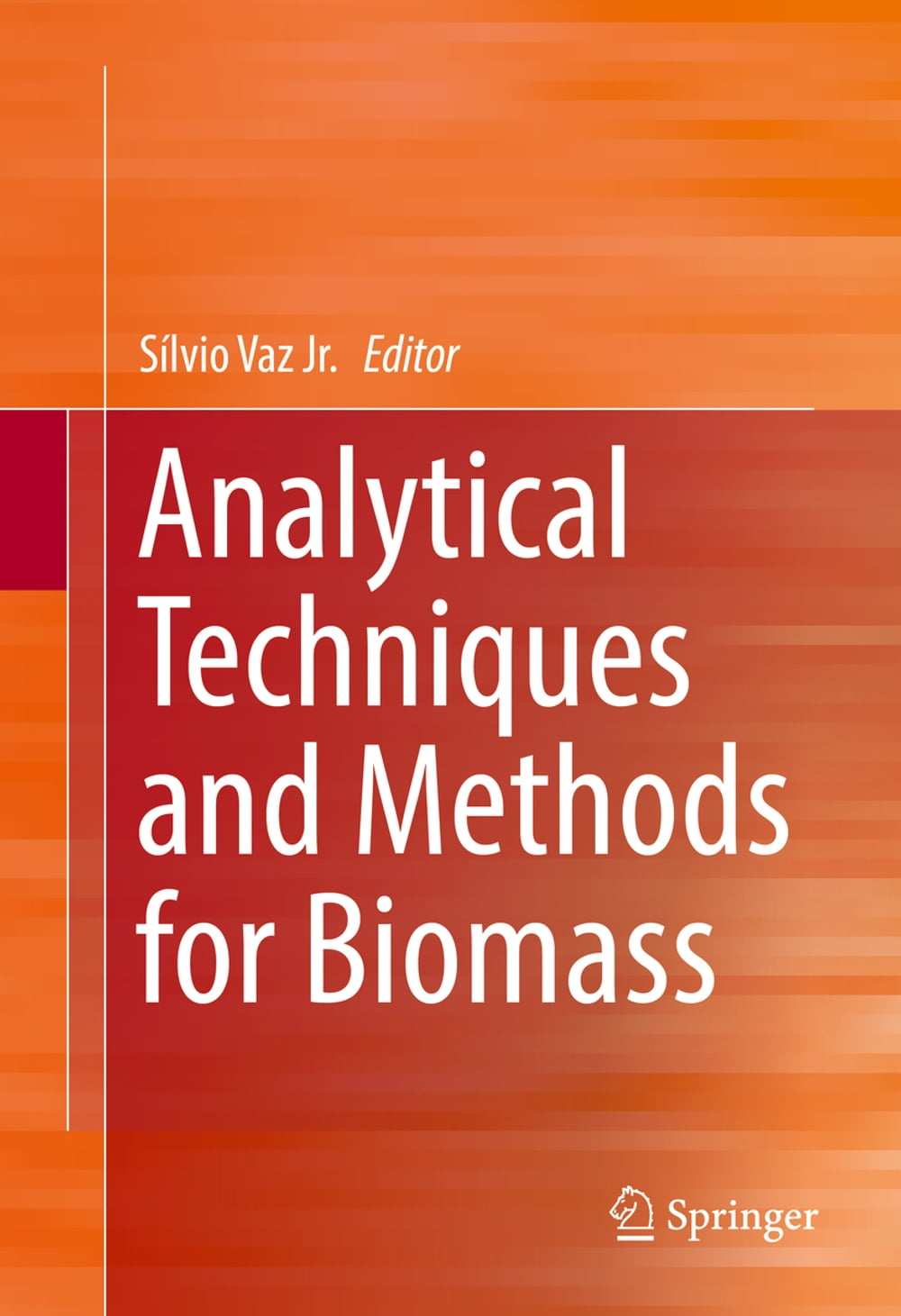



This book deals with the application of techniques and methods of chemical analysis for the study of biomass and its conversion processes, aiming to fill the current gap in the book literature on the subject. The use of various techniques and analytical methods is presented and discussed in a straightforward manner, providing the reader with the possibility of choosing the most appropriate methodologies for analysis of the major classes of plant biomass and its products. In the present volume, a select group of international specialists describes different approaches to understand the biomass structure, their physical and chemical properties, the parameters of conversion processes, the products and by-products formation and quantification, quality parameters, etc. Modern chemistry plays a strong economic role in industrial activities based on biomass, with an increasing trend of the importance of its application from the deployment of biorefineries andthe principles of green chemistry, which make use of the potential of biomass with decreasing impact negative environmental. In this context, analytical chemistry can contribute significantly to the supply chains of biomass, be it plant or animal origin; however, with the first offering the greatest challenges and the greatest opportunity for technical, scientific and economic progress, given its diversified chemical constitution. Thus, the chemical analysis can be used to examine the composition for characterizing physicochemical properties and to monitor their conversion processes, in order to obtain better products and uses of biomass. The quality of the biomass used determines the product quality. Therefore, reliable information is required about the chemical composition of the biomass to establish the best use (e.g., most suitable conversion process and its conditions), which will influence harvest and preparation steps. Conversion processes should be monitored fortheir yield, integrity, safety, and environmental impact. Effluent or residues should be monitored and analyzed for environmental control. Co-products need to be monitored to avoid interference with the product yield and product purity; however, co-products are also a good opportunity to add value to the biomass chain. Finally, products need to be monitored and analyzed to determine their yields and purity and to ensure their quality. In this context, analytical chemistry can contribute significantly to the biomass supply chains, be it of plant or animal origin.
-
Curatore:
-
Anno edizione:2016
-
Editore:
-
Formato:
Lingua:
Inglese
Compatibilità:
Tutti i dispositivi (eccetto Kindle) Scopri di più
Layout:
Reflowable
EAN:
9783319414140

Formato:
Gli eBook venduti da Feltrinelli.it sono in formato ePub e possono essere protetti da Adobe DRM. In caso di download di un file protetto da DRM si otterrà un file in formato .acs, (Adobe Content Server Message), che dovrà essere aperto tramite Adobe Digital Editions e autorizzato tramite un account Adobe, prima di poter essere letto su pc o trasferito su dispositivi compatibili.
Cloud:
Gli eBook venduti da Feltrinelli.it sono sincronizzati automaticamente su tutti i client di lettura Kobo successivamente all’acquisto. Grazie al Cloud Kobo i progressi di lettura, le note, le evidenziazioni vengono salvati e sincronizzati automaticamente su tutti i dispositivi e le APP di lettura Kobo utilizzati per la lettura.
Clicca qui per sapere come scaricare gli ebook utilizzando un pc con sistema operativo Windows
