









EBOOK IN LINGUA STRANIERA





Arming East Asia

22,97 €
+230
punti 

Venditore: Feltrinelli

Acquisto online
Scaricabile subito
Articolo acquistabile con Carta del Docente

Articolo acquistabile con Carta Cultura Giovani e Carta del Merito

Dati e Statistiche
 Salvato in 0 liste dei desideri
Salvato in 0 liste dei desideri
Arming East Asia
Scaricabile subito
22,97 €
22,97 €
Scaricabile subito

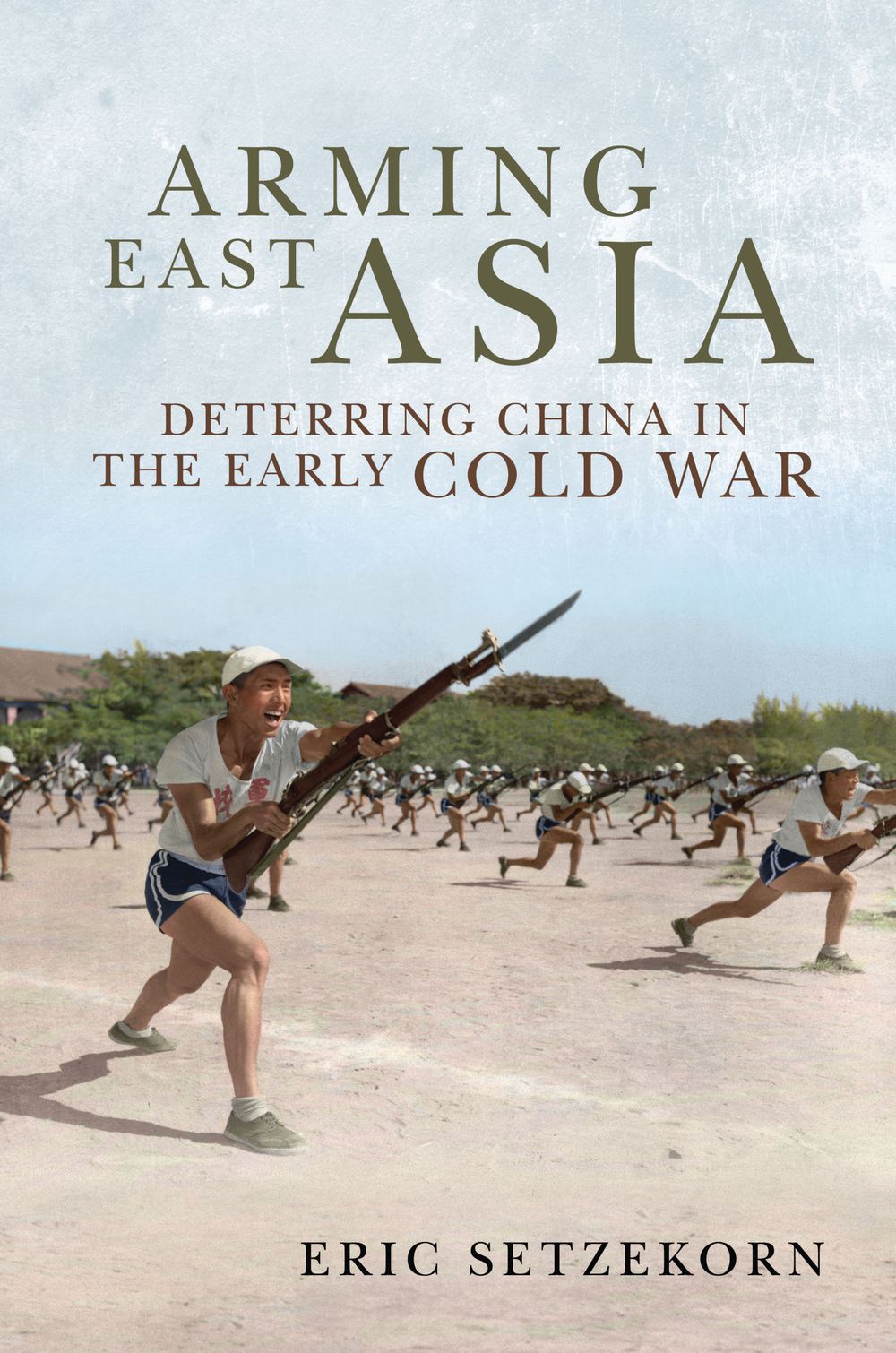



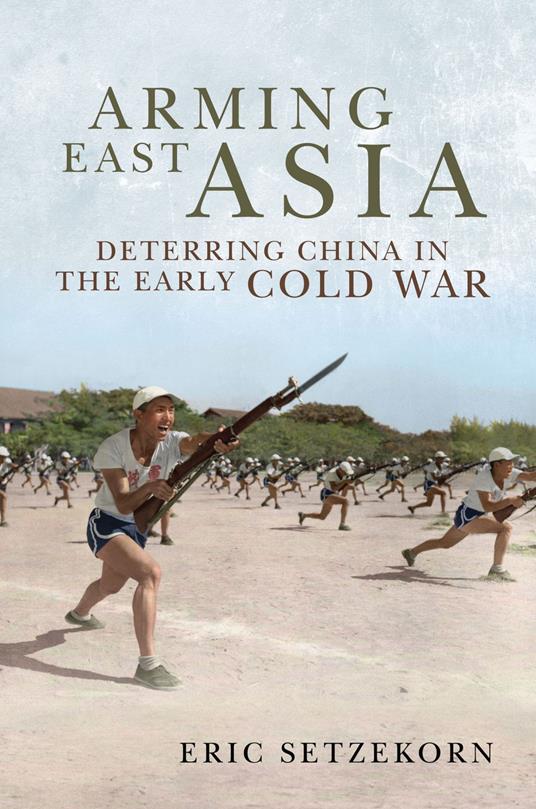
Arming East Asia: Deterring China in the Early Cold War examines President Eisenhower‘s mutual security program in East Asia and explains how that administration worked to contain China. This historical chronicle offers insights and perspectives regarding how to address Sino-American tensions and maintain a free and open Asia-Pacific. Eric Setzekorn argues that President Eisenhower expanded and solidified the U.S. presence in East Asia through use of military aid and military advisory efforts in sharp contrast to the use of U.S. military forces by Presidents Truman, Kennedy and Johnson. In South Korea, Taiwan, Japan, and Southeast Asia (particularly in Thailand and South Vietnam), the United States spent billions of dollars and significant time developing local military forces. By the end of Eisenhower‘s two terms, a force of over 1.4 million Allied soldiers in East Asia had been trained, equipped, and often paid through American military assistance. Eisenhower‘s mutual security policies were vital in building local allies, and by the end of the 1950s, East Asia was beginning a long period of growth that would make it the economic heart of the world within fifty years. American policies that created close ties and involvement in the affairs of allied nations also constrained allies, such as Chiang Kai-shek in Taiwan, and Syngman Rhee in South Korea, who often sought to take direct action against the PRC. The heavy role of American military advisors and experts “on the ground” in East Asia also profoundly shaped the character of these nations, all of which were emerging from war, by putting massive resources into the government administration and military forces of newly formed states. With an assertive China using its growing political and military power throughout East Asia, contemporary U.S. security challenges are similar to the situation faced in that earlier contentious era. Eisenhower‘s policies from 1953 to 1961 clearly demonstrate an awareness of the possibilities for military, economic and political growth in East Asia, and the challenges of deterring Chinese (PRC) expansion during the early Cold War. The views expressed in this publication are those of the author and do not necessarily reflect the official policy or position of the Department of Defense or the U.S. government.
-
Autore:
-
Anno edizione:2023
-
Editore:
-
Formato:
-
Lingua:Inglese
Compatibilità:
Tutti i dispositivi (eccetto Kindle) Scopri di più
Layout:
Reflowable
EAN:
9781682478523
Formato:
Gli eBook venduti da Feltrinelli.it sono in formato ePub e possono essere protetti da Adobe DRM. In caso di download di un file protetto da DRM si otterrà un file in formato .acs, (Adobe Content Server Message), che dovrà essere aperto tramite Adobe Digital Editions e autorizzato tramite un account Adobe, prima di poter essere letto su pc o trasferito su dispositivi compatibili.
Cloud:
Gli eBook venduti da Feltrinelli.it sono sincronizzati automaticamente su tutti i client di lettura Kobo successivamente all’acquisto. Grazie al Cloud Kobo i progressi di lettura, le note, le evidenziazioni vengono salvati e sincronizzati automaticamente su tutti i dispositivi e le APP di lettura Kobo utilizzati per la lettura.
Clicca qui per sapere come scaricare gli ebook utilizzando un pc con sistema operativo Windows
