










EBOOK IN LINGUA STRANIERA





Circularity in Textiles

140,39 €
+1400
punti 
Venditore: Feltrinelli

Acquista online
Scaricabile subito
Articolo acquistabile con Carta del Docente

Articolo acquistabile con Carta Cultura Giovani e Carta del Merito

Articolo acquistabile con Carta della Cultura

Dati e Statistiche
 Salvato in 0 liste dei desideri
Salvato in 0 liste dei desideri
Circularity in Textiles
Scaricabile subito
140,39 €
140,39 €
Scaricabile subito

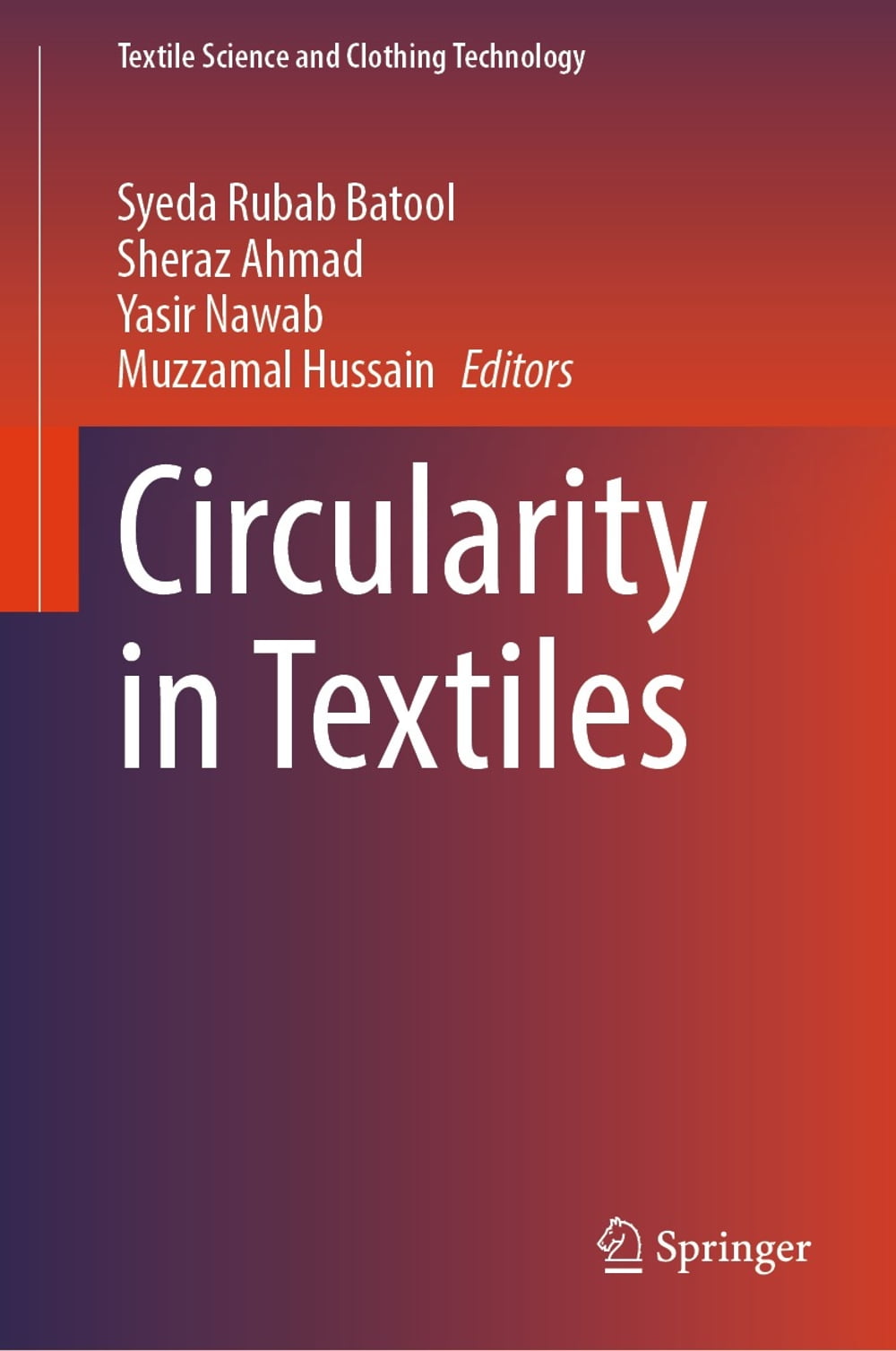


This book explains the basic principles of recycling and circularity in textiles. With the emergence of "quick fashion," textile manufacturing has expanded significantly over the past few decades. The importance of textiles to human society goes beyond their practical uses in providing warmth, protection, and comfort. Therefore, the usage and production of textiles are enhanced substantially compared to the past globally. As a result, rates of textile production and trash output have grown drastically. The other side of the story is the drastic rate at which they are dumped into landfills which is almost a garbage truck every second. If this alarming trend continues, there will be serious environmental consequences. It is well known that the textile sector is recognized as the second largest industrial polluter in the world, producing 20% of the global wastewater and accounting for 10% of carbon emissions. Additionally, harmful chemicals are utilized and emitted during the manufacture of textiles, which has an impact on ecosystems and public health The last 150 years of the textile industrial system fundamentally follow the "take-make-dispose" principle, in which resources are continuously taken out of a natural system (take), changed during production (make), and used for various purposes within the human system (use), and then released back into the environment (dispose of). In this way, manufacturing industries produce waste-producing commodities to make money, which eventually has a negative impact leading to the lack of resources resulting in price volatility, uncertainty, and economic crises. This book consists of 11 potential chapters to cover all the aspects of “circularity in textiles.”
-
Curatore:
-
Anno edizione:2023
-
Editore:
-
Formato:
Lingua:
Inglese
Compatibilità:
Tutti i dispositivi (eccetto Kindle) Scopri di più
Layout:
Reflowable
EAN:
9783031494796

Formato:
Gli eBook venduti da Feltrinelli.it sono in formato ePub e possono essere protetti da Adobe DRM. In caso di download di un file protetto da DRM si otterrà un file in formato .acs, (Adobe Content Server Message), che dovrà essere aperto tramite Adobe Digital Editions e autorizzato tramite un account Adobe, prima di poter essere letto su pc o trasferito su dispositivi compatibili.
Cloud:
Gli eBook venduti da Feltrinelli.it sono sincronizzati automaticamente su tutti i client di lettura Kobo successivamente all’acquisto. Grazie al Cloud Kobo i progressi di lettura, le note, le evidenziazioni vengono salvati e sincronizzati automaticamente su tutti i dispositivi e le APP di lettura Kobo utilizzati per la lettura.
Clicca qui per sapere come scaricare gli ebook utilizzando un pc con sistema operativo Windows
