










EBOOK IN LINGUA STRANIERA





Computational Thinking Curricula in K–12

38,57 €
+390
punti 
Venditore: Feltrinelli

Acquista online
Scaricabile subito
Articolo acquistabile con Carta del Docente

Articolo acquistabile con Carta Cultura Giovani e Carta del Merito

Articolo acquistabile con Carta della Cultura

Dati e Statistiche
 Salvato in 0 liste dei desideri
Salvato in 0 liste dei desideri
Computational Thinking Curricula in K–12
Scaricabile subito
38,57 €
38,57 €
Scaricabile subito

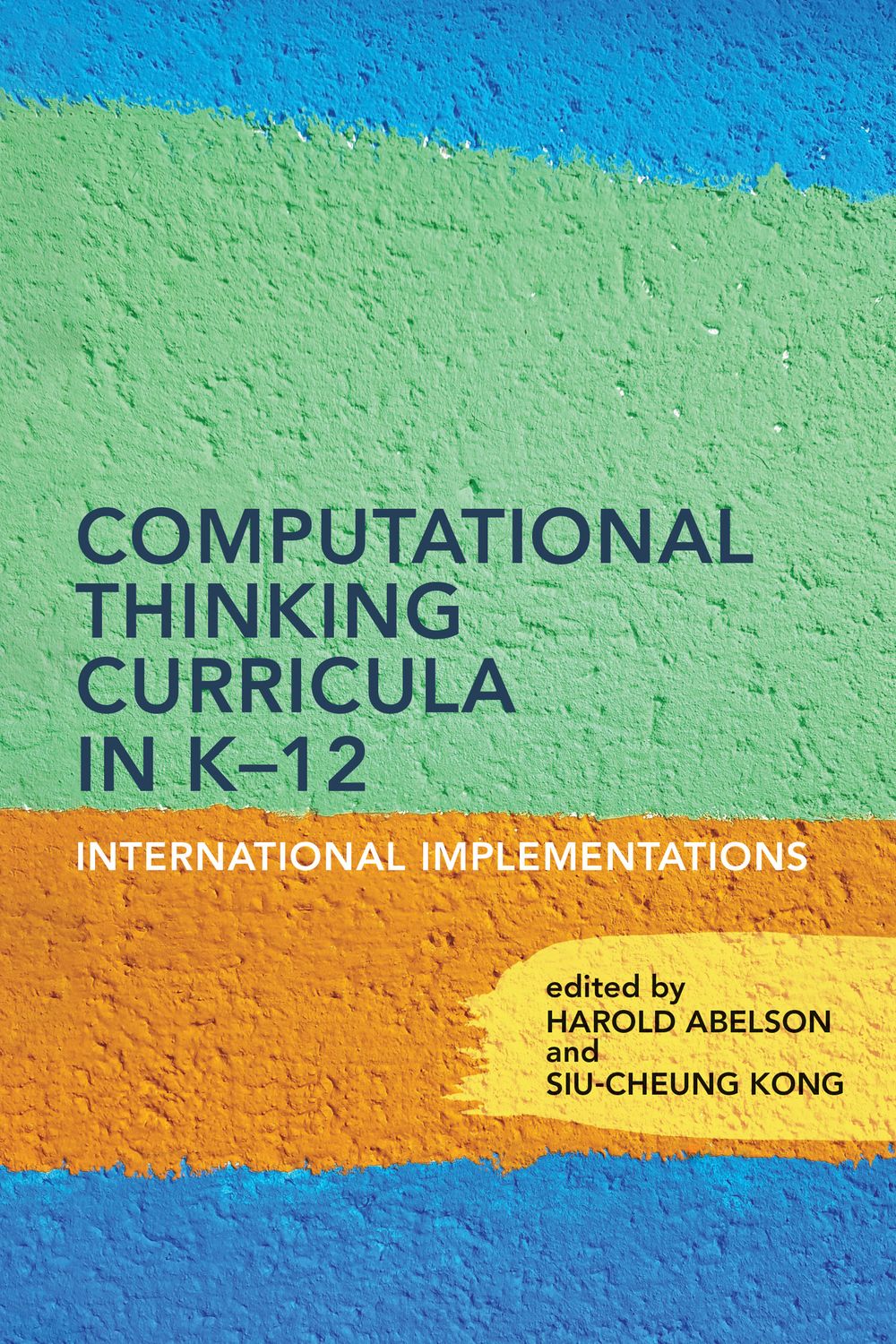



An international overview of how policy makers, curriculum developers, and school practitioners can integrate computational thinking into K–12 curricula. In today’s digital society, computational thinking (CT) is a critical component of all children’s education. In Computational Thinking Curricula in K–12, editors Harold Abelson and Siu-Cheung Kong present a range of professional perspectives on the most effective ways to integrate CT into school curricula. Their edited volume, which offers an overview of educational policy, curriculum development, school implementation, and classroom practice, will appeal especially to policy makers, curriculum developers, school practitioners, and educational researchers. The essays cover twelve countries and regions across three continents: Australia, China, Finland, Hong Kong, India, Israel, New Zealand, Singapore, South Korea, Spain, Taiwan, and the United Kingdom, with a particular emphasis on Asia. A companion to the editors’ earlier Computational Thinking Education in K–12, this book consists of two sections: 1) educational policy and curriculum development and 2) school implementation and classroom practice. The authors delve into issues of regional history; governmental planning; official initiatives; leadership commitment; curriculum design; pedagogical implementation; equity, diversity, and inclusion; assessment, including longitudinal assessment across age groups; formal and informal learning approaches to CT; and teacher development. Specific topics include core competencies and CT education, robotics education and CT, AI and CT, and game-based platforms for computational problem-solving. The varying ways that CT is being integrated into the early grades, in particular, presents an interesting case study in international comparative education.
-
Curatore:
-
Anno edizione:2024
-
Editore:
-
Formato:
Lingua:
Inglese
Compatibilità:
Tutti i dispositivi (eccetto Kindle) Scopri di più
Layout:
Reflowable
EAN:
9780262378659

Formato:
Gli eBook venduti da Feltrinelli.it sono in formato ePub e possono essere protetti da Adobe DRM. In caso di download di un file protetto da DRM si otterrà un file in formato .acs, (Adobe Content Server Message), che dovrà essere aperto tramite Adobe Digital Editions e autorizzato tramite un account Adobe, prima di poter essere letto su pc o trasferito su dispositivi compatibili.
Cloud:
Gli eBook venduti da Feltrinelli.it sono sincronizzati automaticamente su tutti i client di lettura Kobo successivamente all’acquisto. Grazie al Cloud Kobo i progressi di lettura, le note, le evidenziazioni vengono salvati e sincronizzati automaticamente su tutti i dispositivi e le APP di lettura Kobo utilizzati per la lettura.
Clicca qui per sapere come scaricare gli ebook utilizzando un pc con sistema operativo Windows
