









EBOOK IN LINGUA STRANIERA





Death at the Distribution: The Gaza Humanitarian Foundation and the New Architecture of Aid-by-Force

1,99 €
+20
punti 

Venditore: Feltrinelli

Acquisto online
Scaricabile subito
Articolo acquistabile con Carta del Docente

Articolo acquistabile con Carta Cultura Giovani e Carta del Merito

Abbonati a Kobo plus per avere accesso illimitato a questo contenuto

Dati e Statistiche
 Salvato in 0 liste dei desideri
Salvato in 0 liste dei desideri
Death at the Distribution: The Gaza Humanitarian Foundation and the New Architecture of Aid-by-Force
Scaricabile subito
1,99 €
1,99 €
Scaricabile subito
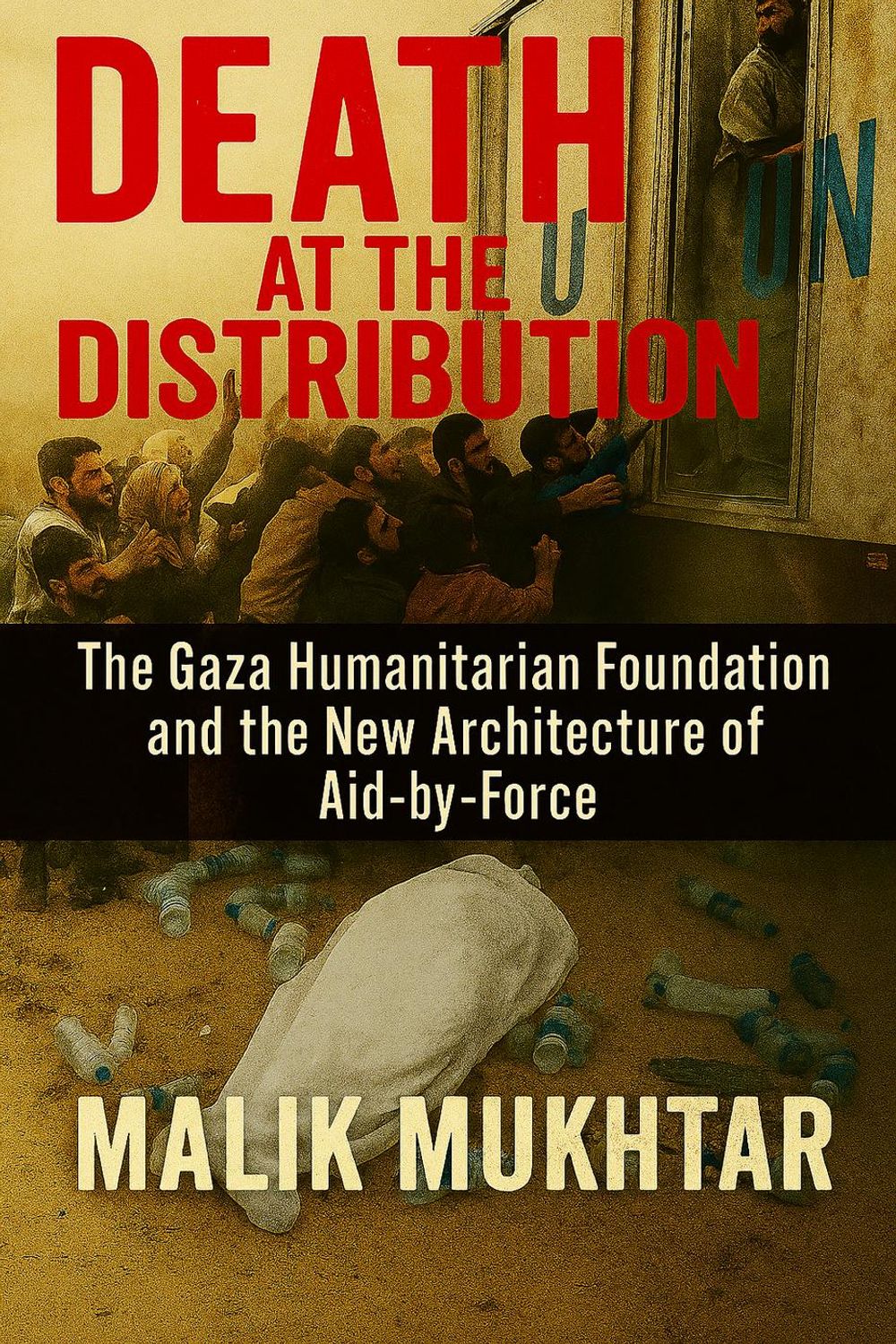



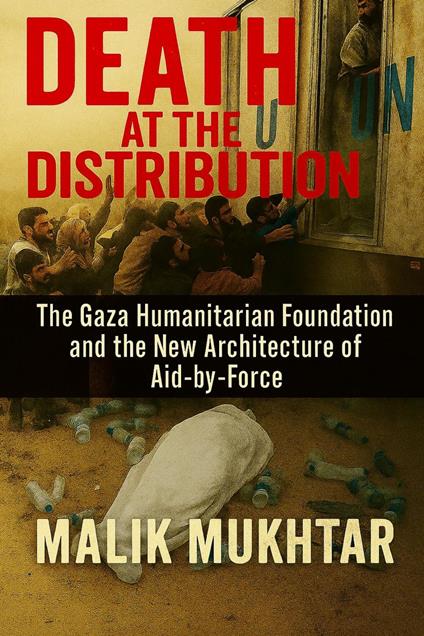
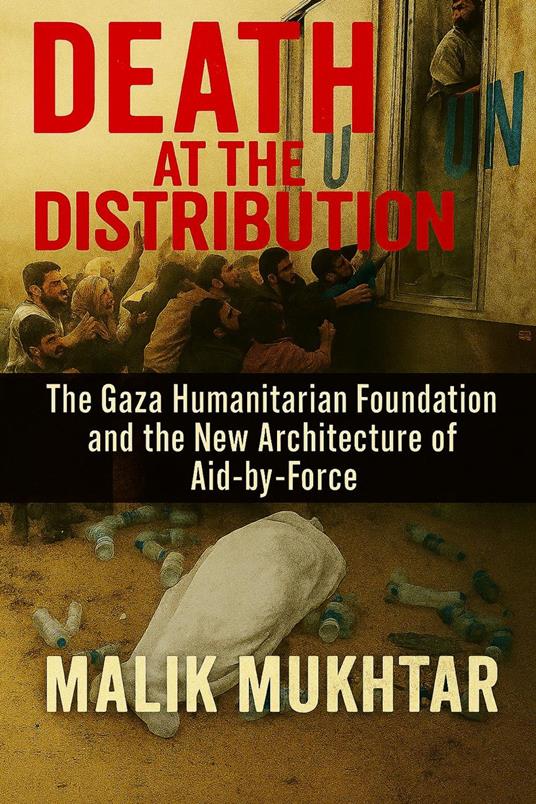
Synopsis Title: Death at the Distribution: The Gaza Humanitarian Foundation and the New Architecture of Aid-by-Force. Author: Malik Mukhtar In the aftermath of Gaza's devastating 2023–2025 war, a new aid experiment emerged from the rubble — one that promised relief but delivered catastrophe. Death at the Distribution is a groundbreaking investigative and human rights chronicle that traces how the Gaza Humanitarian Foundation (GHF), a privatized aid consortium backed by Western donors and security contractors, replaced UNRWA under the banner of "efficiency" - and turned food lines into kill zones. Through survivor testimony, contractor confessions, and leaked inquiry transcripts, the book reconstructs how humanitarian architecture was militarized, how chains of command blurred between donors, private firms, and occupying forces, and how the very act of seeking bread became an act of mortal risk. Structure and Themes The book opens with an introduction on memory, justice, and the moral stakes of aid, followed by twelve meticulously documented chapters and a reflective epilogue that together build a multi-dimensional inquiry into the Gaza aid crisis. Chapters 1–3 trace the political and institutional dismantling of UNRWA, the rise of GHF, and the Trump-era doctrine that shifted humanitarian control from public institutions to private, securitized networks. Chapters 4–6 document the most lethal GHF distribution events between May and July 2025 — including the Tel al-Sultan, Khan Younis, and Nuseirat massacres — presenting eyewitness accounts, hospital data, and contractor logs that expose recurring patterns of operational failure, crowd mismanagement, and direct fire into civilian queues. Chapters 7–9 explore the chain of command, accountability, and international response, revealing overlapping authorities between the IDF, GHF security contractors, and donor-state directives. The narrative moves beyond field-level chaos to interrogate how structural ambiguity and political pressure eroded humanitarian neutrality. Chapters 10–11 turn to the human and systemic cost — the trauma of survivors, the moral collapse of aid systems, and the postwar "reconstruction plans" that threaten to privatize Gaza's future under corporate control through projects like the GREAT Trust. Chapter 12 distills lessons and remedies — proposing operational models for safe humanitarian aid: decentralized micro-hubs, unified authority structures, humane security protocols, and real-time oversight mechanisms to prevent aid from becoming a weapon again. The epilogue, Memory, Justice, and the Future of Gaza, closes with the voices of survivors and contractors, inquiry excerpts, and institutional acknowledgments of failure. It demands that memory become more than mourning — that it evolve into justice, reform, and civic responsibility. Purpose and Impact Blending investigative rigor with moral urgency, Death at the Distribution is both a record of tragedy and a blueprint for accountability. It exposes how privatized aid structures — when merged with military oversight and donor-state interests — can reproduce the same hierarchies of control they claim to remedy. The book is more than a chronicle of Gaza's suffering; it is a warning for the world — that humanitarianism without justice becomes another form of violence. With footnoted testimonies, legal references and reform proposals, it stands as a crucial resource for human rights researchers, journalists, policymakers, and all who refuse to let humanitarian catastrophe be normalized. Core Message: When aid becomes an instrument of control, the breadline becomes a front line — and the future of humanitarianism itself stands trial.
-
Autore:
-
Anno edizione:2025
-
Editore:
-
Formato:
-
Lingua:Inglese
Compatibilità:
Tutti i dispositivi (eccetto Kindle) Scopri di più
Layout:
Reflowable
EAN:
9798232795597
Formato:
Gli eBook venduti da Feltrinelli.it sono in formato ePub e possono essere protetti da Adobe DRM. In caso di download di un file protetto da DRM si otterrà un file in formato .acs, (Adobe Content Server Message), che dovrà essere aperto tramite Adobe Digital Editions e autorizzato tramite un account Adobe, prima di poter essere letto su pc o trasferito su dispositivi compatibili.
Cloud:
Gli eBook venduti da Feltrinelli.it sono sincronizzati automaticamente su tutti i client di lettura Kobo successivamente all’acquisto. Grazie al Cloud Kobo i progressi di lettura, le note, le evidenziazioni vengono salvati e sincronizzati automaticamente su tutti i dispositivi e le APP di lettura Kobo utilizzati per la lettura.
Clicca qui per sapere come scaricare gli ebook utilizzando un pc con sistema operativo Windows
