










EBOOK IN LINGUA STRANIERA





Diatom Morphogenesis

221,99 €
+2220
punti 
Venditore: Feltrinelli

Acquista online
Scaricabile subito
Articolo acquistabile con Carta del Docente

Articolo acquistabile con Carta Cultura Giovani e Carta del Merito

Articolo acquistabile con Carta della Cultura

Dati e Statistiche
 Salvato in 0 liste dei desideri
Salvato in 0 liste dei desideri
Diatom Morphogenesis
Scaricabile subito
221,99 €
221,99 €
Scaricabile subito

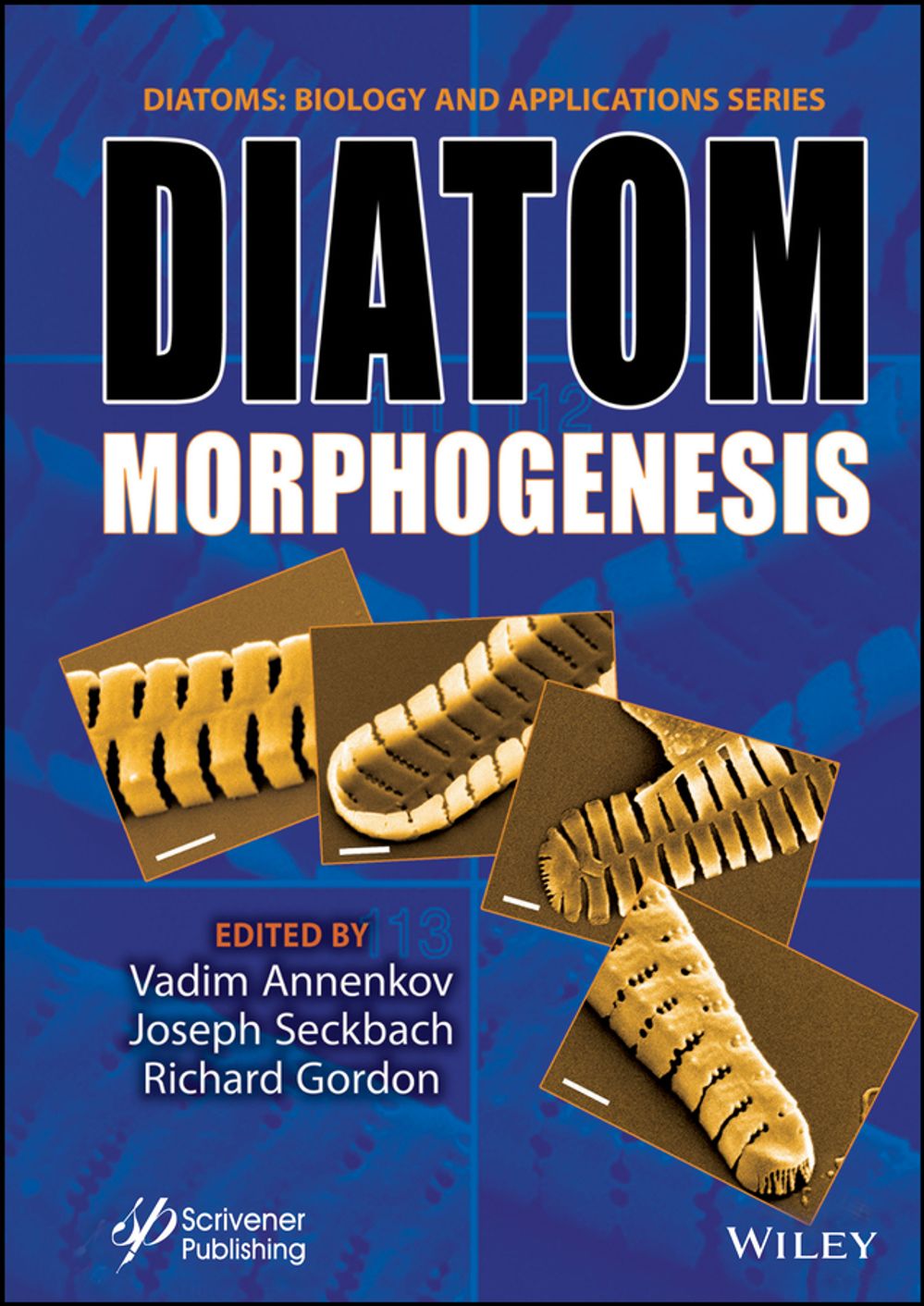



DIATOM MORPHOGENESIS A unique book presenting the range of silica structures formed by diatoms, theories and hypotheses of how they are made, and applications to nanotechnology by use or imitation of diatom morphogenesis. There are up to 200,000 species of diatoms, each species of these algal cells bearing an ornate, amorphous silica glass shell. The silica is structured at 7 orders of magnitude size range and is thus the most complex multiscalar solid structure known. Recent research is beginning to unravel how a single cell marshals chemical, physical, biochemical, genetic, and cytoskeletal processes to produce these single-cell marvels. The field of diatom nanotechnology is advancing as this understanding matures. Diatoms have been actively studied over the recent 10-20 years with various modern equipment, experimental and computer simulation approaches, including molecular biology, fluorescence-based methods, electron, confocal, and AFM microscopy. This has resulted in a huge amount of information but the key stages of their silica morphogenesis are still not clear. This is the time to reconsider and consolidate the work performed so far and to understand how we can go ahead. The main objective of this book is to describe the actual situation in the science of diatom morphogenesis, to specify the most important unresolved questions, and to present the corresponding hypotheses. The following areas are discussed: A tutorial chapter, with a glossary for newcomers to the field, who are often from outside of biology, let alone phycology; Diatom Morphogenesis: general issues, including symmetry and size issues; Diatom Morphogenesis: simulation, including analytical and numerical methods for description of the diatom valve shape and pore structure; Diatom Morphogenesis: physiology, biochemistry, and applications, including the relationship between taxonomy and physiology, biosilicification hypotheses, and ideas about applications of diatoms. Audience Researchers, scientists, and graduate students in the fields of phycology, general biology, marine sciences, the chemistry of silica, materials science, and ecology.
-
Autore:
-
Anno edizione:2021
-
Editore:
-
Formato:
-
Lingua:Inglese
Compatibilità:
Tutti i dispositivi (eccetto Kindle) Scopri di più
Layout:
Reflowable
EAN:
9781119488194

Formato:
Gli eBook venduti da Feltrinelli.it sono in formato ePub e possono essere protetti da Adobe DRM. In caso di download di un file protetto da DRM si otterrà un file in formato .acs, (Adobe Content Server Message), che dovrà essere aperto tramite Adobe Digital Editions e autorizzato tramite un account Adobe, prima di poter essere letto su pc o trasferito su dispositivi compatibili.
Cloud:
Gli eBook venduti da Feltrinelli.it sono sincronizzati automaticamente su tutti i client di lettura Kobo successivamente all’acquisto. Grazie al Cloud Kobo i progressi di lettura, le note, le evidenziazioni vengono salvati e sincronizzati automaticamente su tutti i dispositivi e le APP di lettura Kobo utilizzati per la lettura.
Clicca qui per sapere come scaricare gli ebook utilizzando un pc con sistema operativo Windows
