










EBOOK IN LINGUA STRANIERA





Disposable Workers

24,74 €
+250
punti 
Venditore: Feltrinelli

Acquista online
Scaricabile subito
Articolo acquistabile con Carta del Docente

Articolo acquistabile con Carta Cultura Giovani e Carta del Merito

Articolo acquistabile con Carta della Cultura

Dati e Statistiche
 Salvato in 0 liste dei desideri
Salvato in 0 liste dei desideri
Disposable Workers
Scaricabile subito
24,74 €
24,74 €
Scaricabile subito

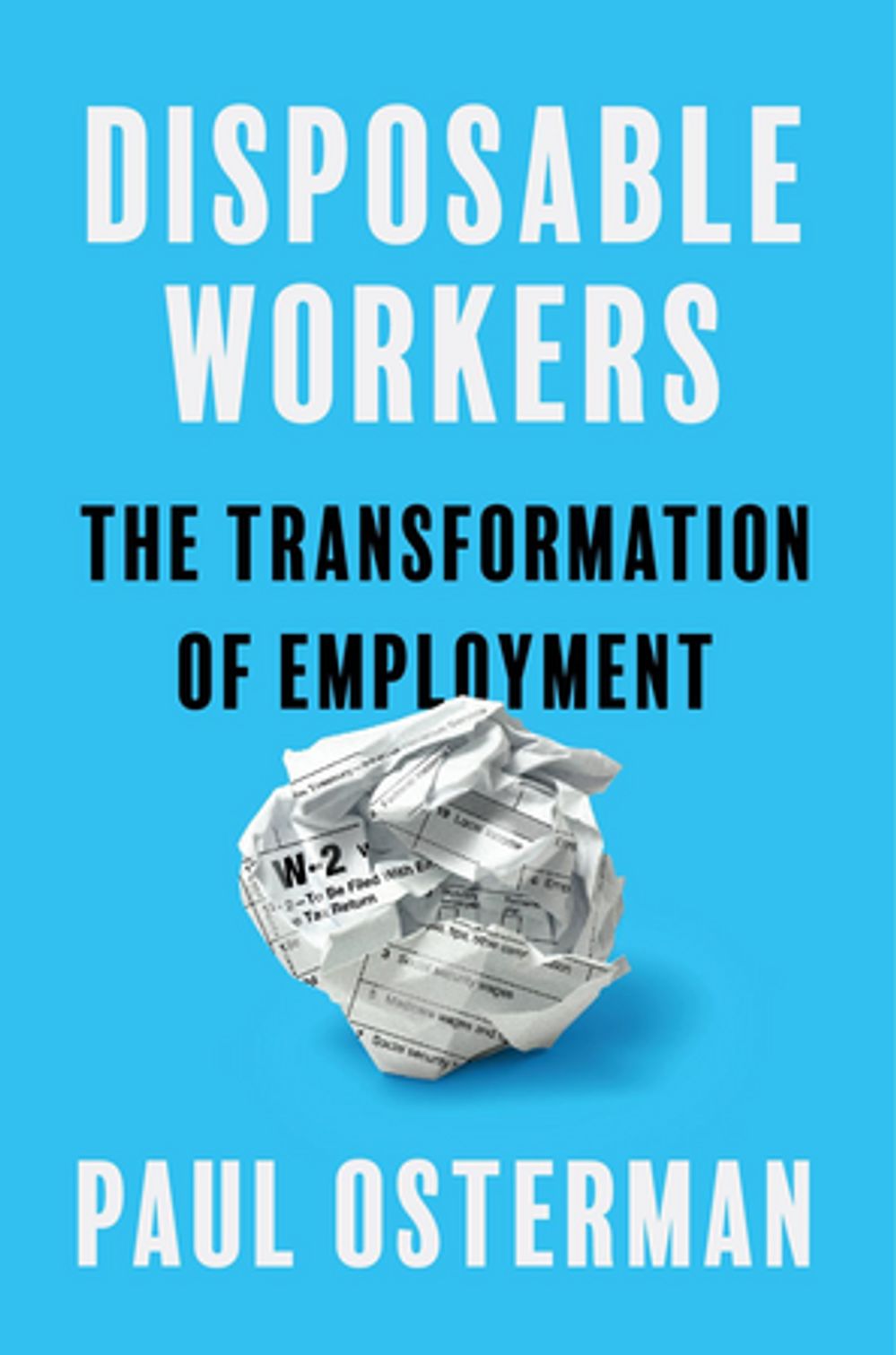



A revealing look at the decline in formal employment in favor of hiring contractors, freelancers, temps, and marginal workers, who are excluded from traditional benefits and career ladders. Companies cannot exist without workers, but they are increasingly reluctant to have employees. Instead of providing the benefits and protections that have traditionally come with employee status, businesses are turning to tactics that let them treat people as interchangeable parts, to be used and discarded as needed. Drawing on an original survey of over 6,000 workers, Disposable Workers reveals the striking extent of this transformation across the occupational hierarchy, affecting everyone from janitors to nurses. Paul Osterman identifies three distinct categories of disposable workers: contractors, freelancers, and marginal employees. The marginal category, unique to Osterman’s analysis, describes workers who are employees from a narrow legal standpoint but are held at arm’s length by their firm—left without job security, skill training, or opportunities for promotion. Many low-wage service workers toil in marginal jobs, but so do white-collar professionals such as adjunct university faculty and staff attorneys at law firms. When the three categories are added up, they account for more than 35 percent of the American workforce. Not all disposable workers object to their arrangements. But most contractors and marginal employees would prefer standard employment, and there is a significant cost to their current status. In response, Disposable Workers offers a range of policy recommendations, including mechanisms to prevent over-reliance on contracting and freelancing as well as reforms to improve job quality for part-timers and marginal employees. As the deconstruction of employment affects more and more workers, the importance of such measures will only grow.
-
Autore:
-
Anno edizione:2026
-
Editore:
-
Formato:
-
Lingua:Inglese
Compatibilità:
Tutti i dispositivi (eccetto Kindle) Scopri di più
Layout:
Reflowable
EAN:
9780674305229

Formato:
Gli eBook venduti da Feltrinelli.it sono in formato ePub e possono essere protetti da Adobe DRM. In caso di download di un file protetto da DRM si otterrà un file in formato .acs, (Adobe Content Server Message), che dovrà essere aperto tramite Adobe Digital Editions e autorizzato tramite un account Adobe, prima di poter essere letto su pc o trasferito su dispositivi compatibili.
Cloud:
Gli eBook venduti da Feltrinelli.it sono sincronizzati automaticamente su tutti i client di lettura Kobo successivamente all’acquisto. Grazie al Cloud Kobo i progressi di lettura, le note, le evidenziazioni vengono salvati e sincronizzati automaticamente su tutti i dispositivi e le APP di lettura Kobo utilizzati per la lettura.
Clicca qui per sapere come scaricare gli ebook utilizzando un pc con sistema operativo Windows
