










EBOOK IN LINGUA STRANIERA





Documenting Aftermath

25,78 €
+260
punti 
Prezzo minimo ultimi 30 giorni: 25,26 €
Venditore: Feltrinelli

Acquista online
Scaricabile subito
Articolo acquistabile con Carta del Docente

Articolo acquistabile con Carta Cultura Giovani e Carta del Merito

Articolo acquistabile con Carta della Cultura

Dati e Statistiche
 Salvato in 0 liste dei desideri
Salvato in 0 liste dei desideri
Documenting Aftermath
Scaricabile subito
25,78 €
25,78 €
Scaricabile subito

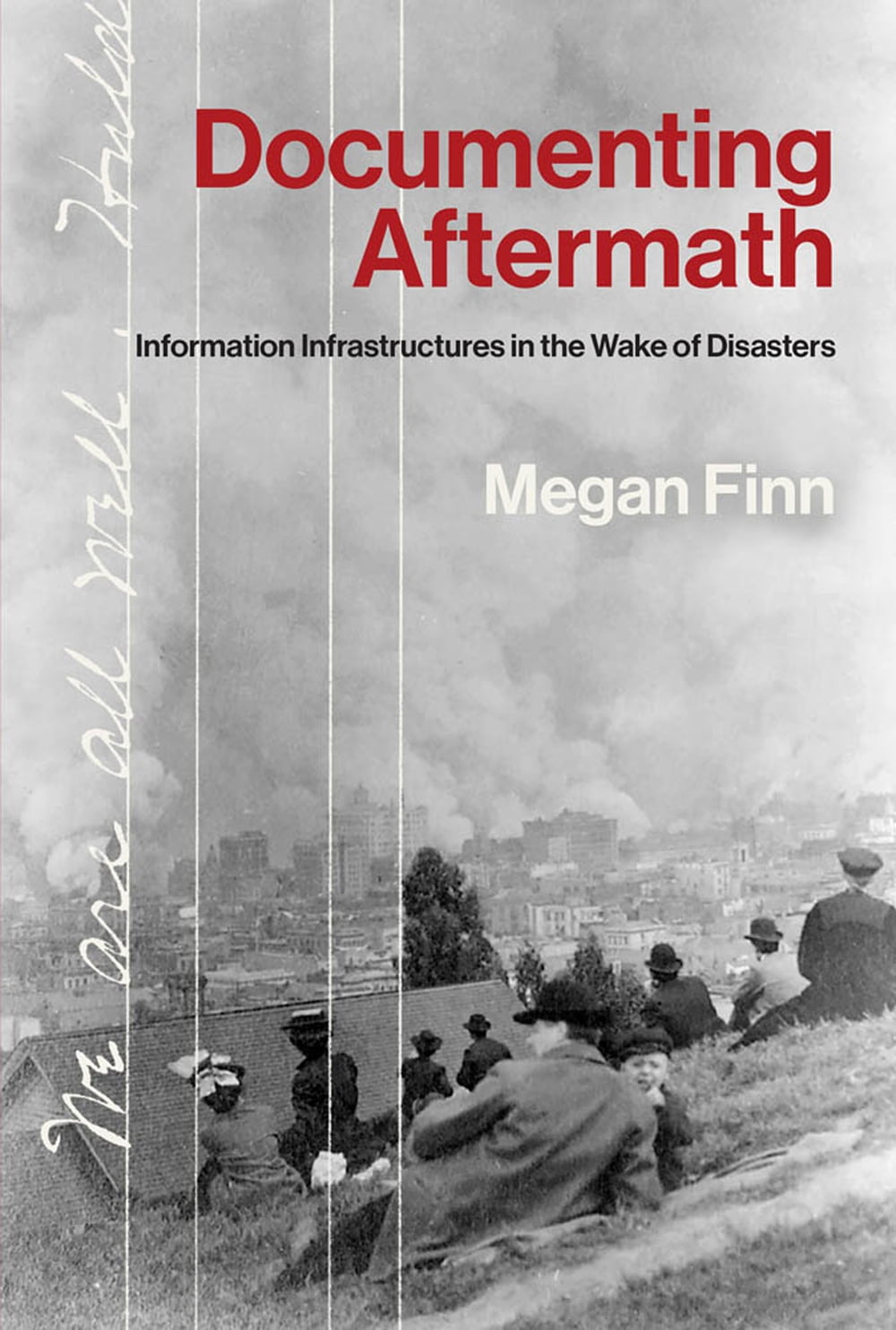



An examination of how changing public information infrastructures shaped people's experience of earthquakes in Northern California in 1868, 1906, and 1989. When an earthquake happens in California today, residents may look to the United States Geological Survey for online maps that show the quake's epicenter, turn to Twitter for government bulletins and the latest news, check Facebook for updates from friends and family, and count on help from the Federal Emergency Management Agency (FEMA). One hundred and fifty years ago, however, FEMA and other government agencies did not exist, and information came by telegraph and newspaper. In Documenting Aftermath, Megan Finn explores changing public information infrastructures and how they shaped people's experience of disaster, examining postearthquake information and communication practices in three Northern California earthquakes: the 1868 Hayward Fault earthquake, the 1906 San Francisco earthquake and fire, and the 1989 Loma Prieta earthquake. She then analyzes the institutions, policies, and technologies that shape today's postdisaster information landscape. Finn argues that information orders—complex constellations of institutions, technologies, and practices—influence how we act in, experience, and document events. What Finn terms event epistemologies, constituted both by historical documents and by researchers who study them, explain how information orders facilitate particular possibilities for knowledge. After the 1868 earthquake, the Chamber of Commerce telegraphed reassurances to out-of-state investors while local newspapers ran sensational earthquake narratives; in 1906, families and institutions used innovative techniques for locating people; and in 1989, government institutions and the media developed a symbiotic relationship in information dissemination. Today, government disaster response plans and new media platforms imagine different sources of informational authority yet work together shaping disaster narratives.
-
Autore:
-
Anno edizione:2018
-
Editore:
-
Formato:
-
Lingua:Inglese
Compatibilità:
Tutti i dispositivi (eccetto Kindle) Scopri di più
Layout:
Reflowable
EAN:
9780262347457

Formato:
Gli eBook venduti da Feltrinelli.it sono in formato ePub e possono essere protetti da Adobe DRM. In caso di download di un file protetto da DRM si otterrà un file in formato .acs, (Adobe Content Server Message), che dovrà essere aperto tramite Adobe Digital Editions e autorizzato tramite un account Adobe, prima di poter essere letto su pc o trasferito su dispositivi compatibili.
Cloud:
Gli eBook venduti da Feltrinelli.it sono sincronizzati automaticamente su tutti i client di lettura Kobo successivamente all’acquisto. Grazie al Cloud Kobo i progressi di lettura, le note, le evidenziazioni vengono salvati e sincronizzati automaticamente su tutti i dispositivi e le APP di lettura Kobo utilizzati per la lettura.
Clicca qui per sapere come scaricare gli ebook utilizzando un pc con sistema operativo Windows
