










EBOOK IN LINGUA STRANIERA





Explaining Photosynthesis

93,59 €
+940
punti 
Venditore: Feltrinelli

Acquista online
Scaricabile subito
Articolo acquistabile con Carta del Docente

Articolo acquistabile con Carta Cultura Giovani e Carta del Merito

Articolo acquistabile con Carta della Cultura

Dati e Statistiche
 Salvato in 0 liste dei desideri
Salvato in 0 liste dei desideri
Explaining Photosynthesis
Scaricabile subito
93,59 €
93,59 €
Scaricabile subito
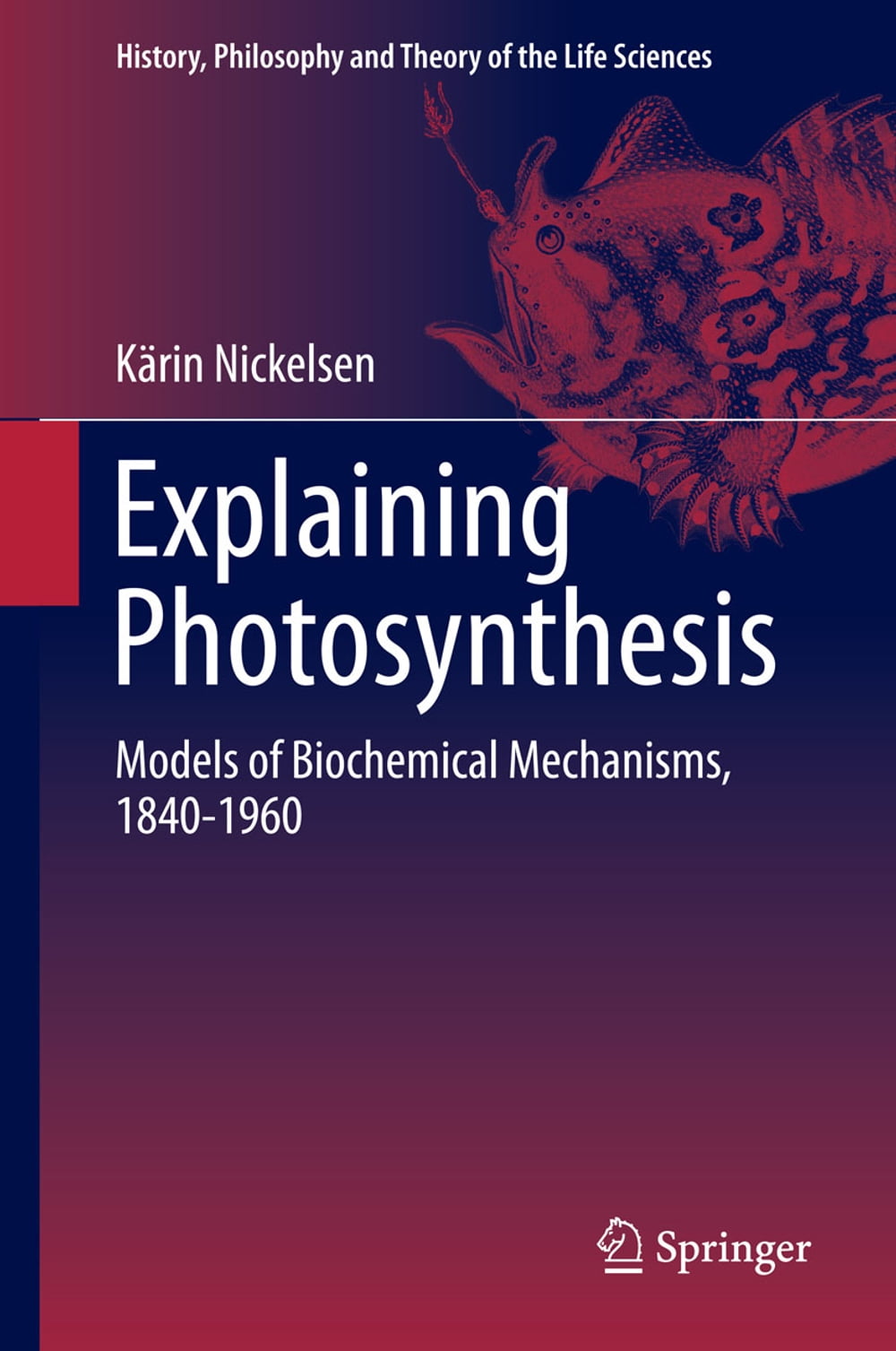


Recounting the compelling story of a scientific discovery that took more than a century to complete, this trail-blazing monograph focuses on methodological issues and is the first to delve into this subject. This book charts how the biochemical and biophysical mechanisms of photosynthesis were teased out by succeeding generations of scientists, and the author highlights the reconstruction of the heuristics of modelling the mechanism—analyzed at both individual and collective levels. Photosynthesis makes for an instructive example. The first tentative ideas were developed by organic chemists around 1840, while by 1960 an elaborate proposal at a molecular level, for both light and dark reactions, was established. The latter is still assumed to be basically correct today. The author makes a persuasive case for a historically informed philosophy of science, especially regarding methodology, and advocates a history of science whose narrative deploys philosophical approaches and categories. She shows how scientists’ attempts to formulate, justify, modify, confirm or criticize their models are best interpreted as series of coordinated research actions, dependent on a network of super- and subordinated epistemic goals, and guided by recurrent heuristic strategies. With dedicated chapters on key figures such as Otto Warburg, who borrowed epistemic fundamentals from other disciplines to facilitate his own work on photosynthesis, and on more general topics relating to the development of the field after Warburg, this new work is both a philosophical reflection on the nature of scientific enquiry and a detailed history of the processes behind one of science’s most important discoveries.
-
Autore:
-
Anno edizione:2015
-
Editore:
-
Formato:
-
Lingua:Inglese
Compatibilità:
Tutti i dispositivi (eccetto Kindle) Scopri di più
Layout:
Reflowable
EAN:
9789401795821

Formato:
Gli eBook venduti da Feltrinelli.it sono in formato ePub e possono essere protetti da Adobe DRM. In caso di download di un file protetto da DRM si otterrà un file in formato .acs, (Adobe Content Server Message), che dovrà essere aperto tramite Adobe Digital Editions e autorizzato tramite un account Adobe, prima di poter essere letto su pc o trasferito su dispositivi compatibili.
Cloud:
Gli eBook venduti da Feltrinelli.it sono sincronizzati automaticamente su tutti i client di lettura Kobo successivamente all’acquisto. Grazie al Cloud Kobo i progressi di lettura, le note, le evidenziazioni vengono salvati e sincronizzati automaticamente su tutti i dispositivi e le APP di lettura Kobo utilizzati per la lettura.
Clicca qui per sapere come scaricare gli ebook utilizzando un pc con sistema operativo Windows
