










EBOOK IN LINGUA STRANIERA





Geospatial Technologies for Integrated Water Resources Management

159,11 €
+1590
punti 
Venditore: Feltrinelli

Acquista online
Scaricabile subito
Articolo acquistabile con Carta del Docente

Articolo acquistabile con Carta Cultura Giovani e Carta del Merito

Articolo acquistabile con Carta della Cultura

Dati e Statistiche
 Salvato in 0 liste dei desideri
Salvato in 0 liste dei desideri
Geospatial Technologies for Integrated Water Resources Management
Scaricabile subito
159,11 €
159,11 €
Scaricabile subito

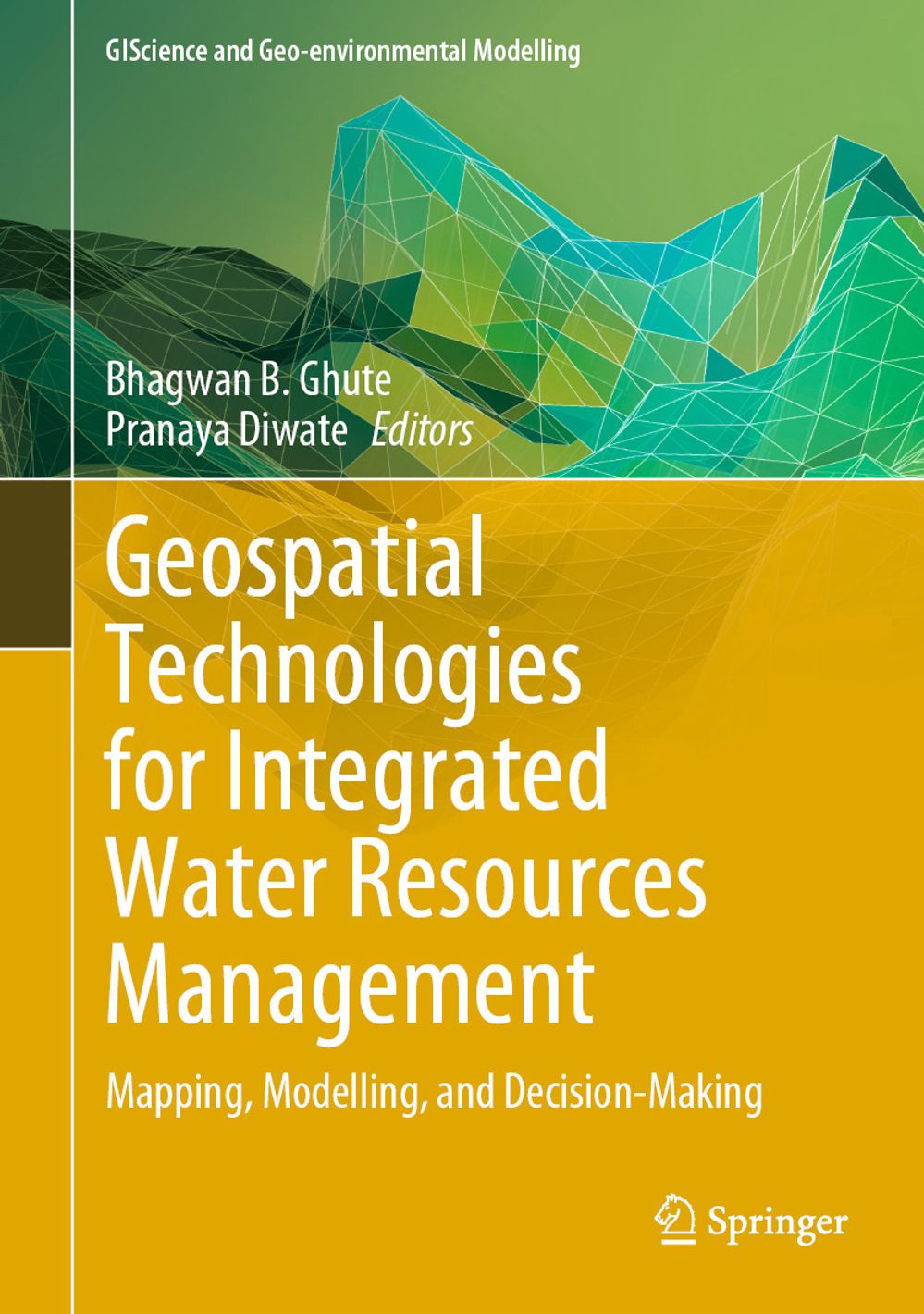



This book examines water resources, helps understand complexities in water management, and explains the use of geospatial technology. By 2050, the world will have nearly about 9.8 billion population and which is almost 2.5 to 3 billion added to the present population. Only 3% of world water resources are available for human consumption. Even some resources are polluted because of poor management. Water management is important since it helps determine future irrigation prospects. Management of water resources under set policies and regulations. Water is a more valuable commodity and the world is facing acute water shortages because of drought which is attributed to climate change and overuse. Many rivers are drying up, polluted and encroached. Now the challenge is whether future generations will have enough fresh water for living. Geospatial Technology i.e. Remote Sensing (RS) and GIS have gained considerable interest among earth and hydrological science communities for solving and understanding various complex issues and approaches towards water resources development and management. Water can provide sustainability to any region. Sustainability means that meet the needs of the present, without compromising the ability of future generations to meet their own needs. These are generally integrated to study a variety of natural resources and their characteristics. Major advancements have been accomplished in integrating remote sensing and GIS and they complement each other. RS is used for acquiring information for GIS. Remote sensing and GIS integration provide information on the spatial variation, extent, and potential and limitations of natural resources, which is essential for planning the strategy for sustainable development. Most hydrological or geomorphological models are developed in a GIS framework and these are helpful for the planning and management of water and decision-makers for sustainable development.
-
Curatore:
-
Anno edizione:2024
-
Editore:
-
Formato:
Lingua:
Inglese
Compatibilità:
Tutti i dispositivi (eccetto Kindle) Scopri di più
Layout:
Reflowable
EAN:
9783031577772

Formato:
Gli eBook venduti da Feltrinelli.it sono in formato ePub e possono essere protetti da Adobe DRM. In caso di download di un file protetto da DRM si otterrà un file in formato .acs, (Adobe Content Server Message), che dovrà essere aperto tramite Adobe Digital Editions e autorizzato tramite un account Adobe, prima di poter essere letto su pc o trasferito su dispositivi compatibili.
Cloud:
Gli eBook venduti da Feltrinelli.it sono sincronizzati automaticamente su tutti i client di lettura Kobo successivamente all’acquisto. Grazie al Cloud Kobo i progressi di lettura, le note, le evidenziazioni vengono salvati e sincronizzati automaticamente su tutti i dispositivi e le APP di lettura Kobo utilizzati per la lettura.
Clicca qui per sapere come scaricare gli ebook utilizzando un pc con sistema operativo Windows
