









EBOOK IN LINGUA STRANIERA





Green Nanoremediation

159,11 €
+1590
punti 
Venditore: Feltrinelli

Acquista online
Scaricabile subito
Articolo acquistabile con Carta del Docente

Articolo acquistabile con Carta Cultura Giovani e Carta del Merito

Articolo acquistabile con Carta della Cultura

Dati e Statistiche
 Salvato in 0 liste dei desideri
Salvato in 0 liste dei desideri
Green Nanoremediation
Scaricabile subito
159,11 €
159,11 €
Scaricabile subito
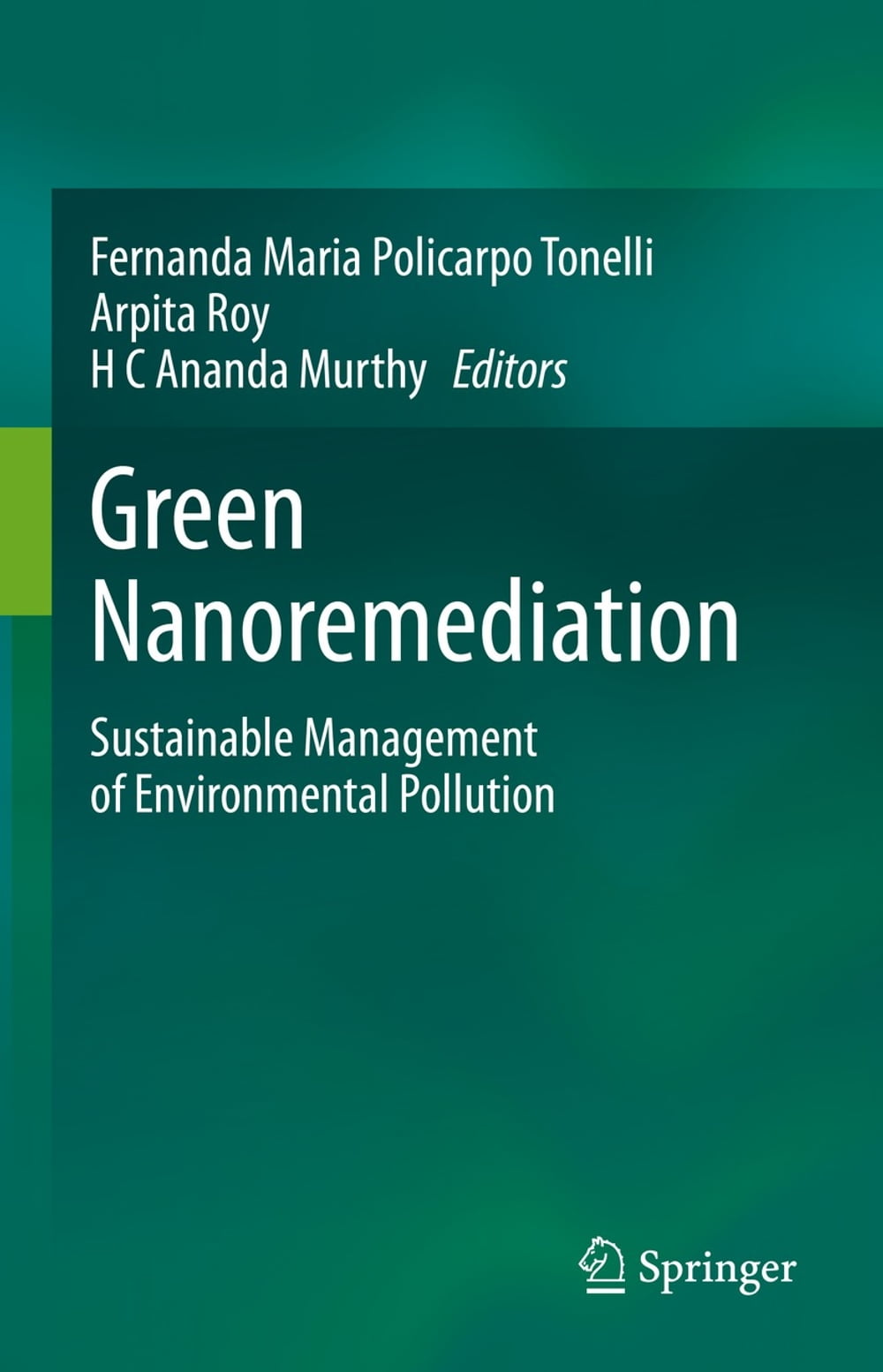


This book focuses on green nanoremediation addressing aspects related to the use of nanomaterials generated through green synthesis protocols to efficiently restore polluted environs. Nanomaterials’ characteristics such as large surface area, capacity to easily reach into contaminated sites, good reactivity, and possibility of being developed to present photocatalytic activity and/or to deal with targeted substances by chemical surface modification are useful specially to perform remediation. As an alternative to conventional physicochemical methods, the green-based synthesis protocols reject the use of harmful reagents, prevent waste production, apply renewable energy source and/or materials, and consider in first place offering the smallest negative impact possible to living beings and to the ecosystem. Green synthesis in nanotechnology field involves the use of seaweeds, bacteria, cyanobacteria, yeasts, fungi, plants (living ones, biomass, extracts) and/or bio-derived products to generate the nanomaterials. The introductory chapter will be dedicated to nanomaterials’ characteristics that enable them to be used in environmental remediation. The first part of the book will be dedicated to organic and inorganic pollution and the threats they pose to living forms; advantages, disadvantages and mechanisms of nanoremediation; comparison between conventional strategies of environmental pollution remediation and the green nanoremediation; carbon-based and non-carbon-based green nanomaterials capable of promoting environs’ remediation; cost/benefits of using nanomaterials and nanoinformatics to a safe nanotechnology. The second part will be dedicated to green nanoremediation of water and soil, microbe-based, algae-based and plant-based synthesis of nanomaterials to nanoremediation. This part will also contain chapters dedicated to relevant nanomaterials for green nanoremediation protocols, nano-phytoremediation strategies, strategies to evaluate the efficiency of protocols related to this kind of remediation, main interactions of green nanomaterials and microbes during nanoremediation and, as a consequence of it, biocompatibility of green nanomaterials. This book’s main purpose is to offer readers extensive knowledge on green nanoremediation as a feasible strategy to fight pollution's harmful consequences and clean environmental pollution, but also present the challenges that should be surpassed.
-
Curatore:
-
Anno edizione:2023
-
Editore:
-
Formato:
Lingua:
Inglese
Compatibilità:
Tutti i dispositivi (eccetto Kindle) Scopri di più
Layout:
Reflowable
EAN:
9783031305580

Formato:
Gli eBook venduti da Feltrinelli.it sono in formato ePub e possono essere protetti da Adobe DRM. In caso di download di un file protetto da DRM si otterrà un file in formato .acs, (Adobe Content Server Message), che dovrà essere aperto tramite Adobe Digital Editions e autorizzato tramite un account Adobe, prima di poter essere letto su pc o trasferito su dispositivi compatibili.
Cloud:
Gli eBook venduti da Feltrinelli.it sono sincronizzati automaticamente su tutti i client di lettura Kobo successivamente all’acquisto. Grazie al Cloud Kobo i progressi di lettura, le note, le evidenziazioni vengono salvati e sincronizzati automaticamente su tutti i dispositivi e le APP di lettura Kobo utilizzati per la lettura.
Clicca qui per sapere come scaricare gli ebook utilizzando un pc con sistema operativo Windows
