









EBOOK IN LINGUA STRANIERA





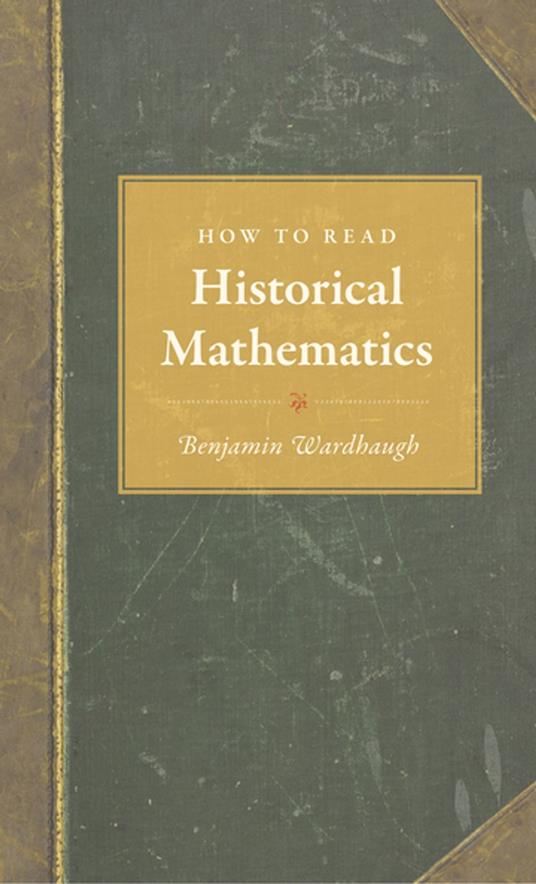
How to Read Historical Mathematics

41,59 €
+420
punti 
Venditore: Feltrinelli

Acquista online
Scaricabile subito
Articolo acquistabile con Carta del Docente

Articolo acquistabile con Carta Cultura Giovani e Carta del Merito

Articolo acquistabile con Carta della Cultura

Dati e Statistiche
 Salvato in 0 liste dei desideri
Salvato in 0 liste dei desideri
How to Read Historical Mathematics
Scaricabile subito
41,59 €
41,59 €
Scaricabile subito
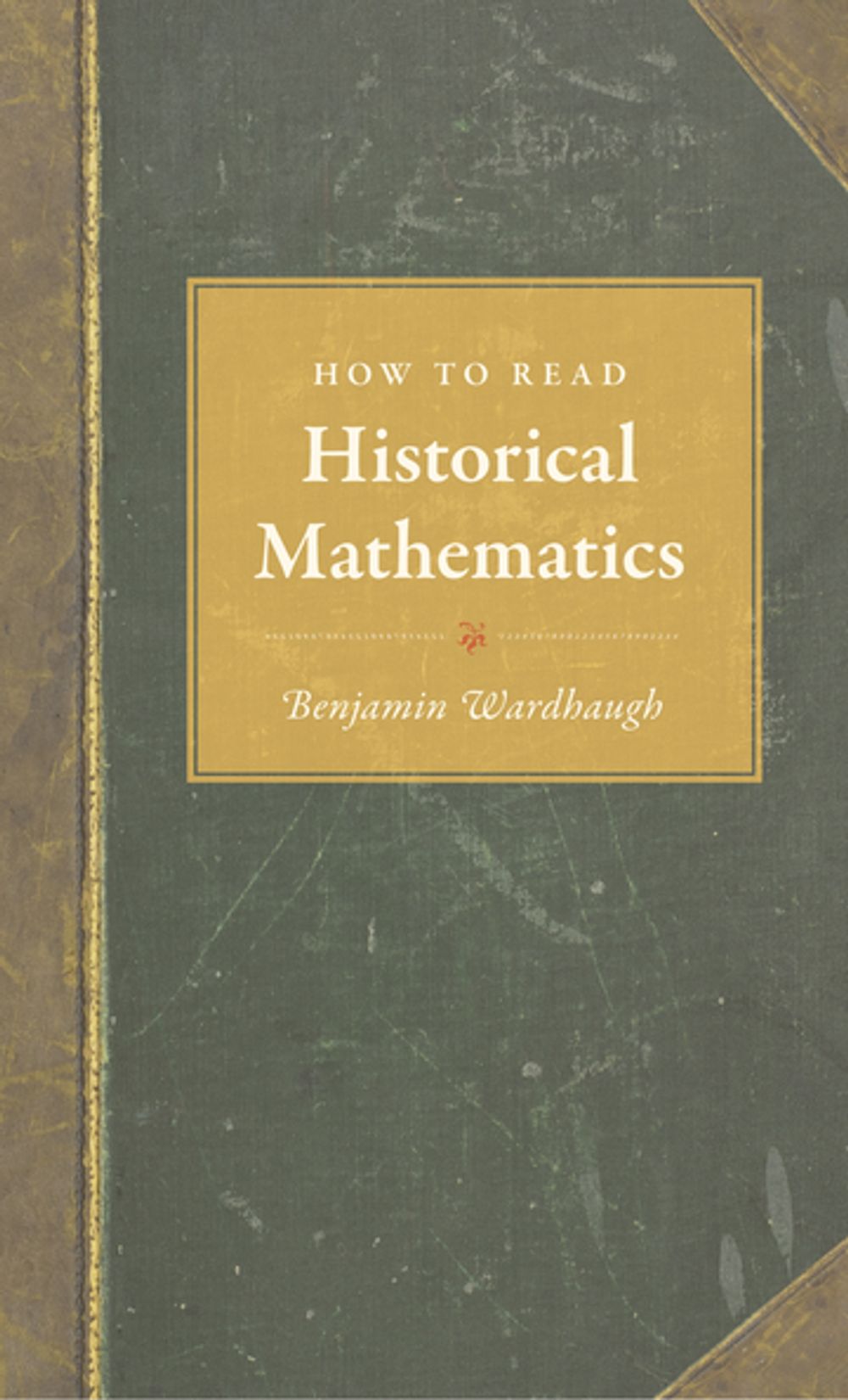


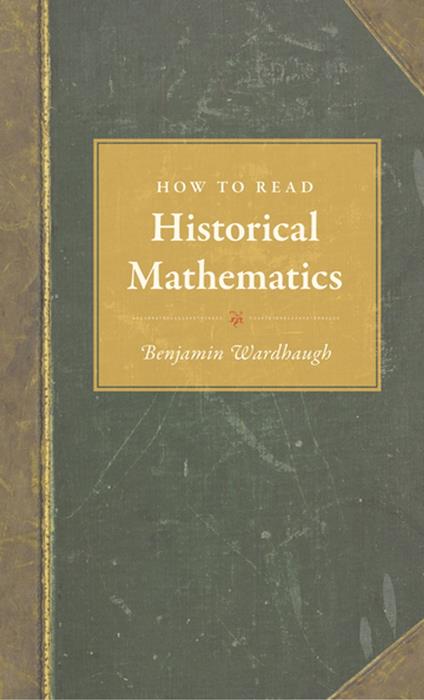
Techniques for deciphering texts by early mathematicians Writings by early mathematicians feature language and notations that are quite different from what we're familiar with today. Sourcebooks on the history of mathematics provide some guidance, but what has been lacking is a guide tailored to the needs of readers approaching these writings for the first time. How to Read Historical Mathematics fills this gap by introducing readers to the analytical questions historians ask when deciphering historical texts. Sampling actual writings from the history of mathematics, Benjamin Wardhaugh reveals the questions that will unlock the meaning and significance of a given text—Who wrote it, why, and for whom? What was its author's intended meaning? How did it reach its present form? Is it original or a translation? Why is it important today? Wardhaugh teaches readers to think about what the original text might have looked like, to consider where and when it was written, and to formulate questions of their own. Readers pick up new skills with each chapter, and gain the confidence and analytical sophistication needed to tackle virtually any text in the history of mathematics. Introduces readers to the methods of textual analysis used by historians Uses actual source material as examples Features boxed summaries, discussion questions, and suggestions for further reading Supplements all major sourcebooks in mathematics history Designed for easy reference Ideal for students and teachers
-
Autore:
-
Anno edizione:2010
-
Editore:
-
Formato:
-
Lingua:Inglese
Compatibilità:
Tutti i dispositivi (eccetto Kindle) Scopri di più
Layout:
Reflowable
EAN:
9781400835331

Formato:
Gli eBook venduti da Feltrinelli.it sono in formato ePub e possono essere protetti da Adobe DRM. In caso di download di un file protetto da DRM si otterrà un file in formato .acs, (Adobe Content Server Message), che dovrà essere aperto tramite Adobe Digital Editions e autorizzato tramite un account Adobe, prima di poter essere letto su pc o trasferito su dispositivi compatibili.
Cloud:
Gli eBook venduti da Feltrinelli.it sono sincronizzati automaticamente su tutti i client di lettura Kobo successivamente all’acquisto. Grazie al Cloud Kobo i progressi di lettura, le note, le evidenziazioni vengono salvati e sincronizzati automaticamente su tutti i dispositivi e le APP di lettura Kobo utilizzati per la lettura.
Clicca qui per sapere come scaricare gli ebook utilizzando un pc con sistema operativo Windows
