









LIBRO INGLESE





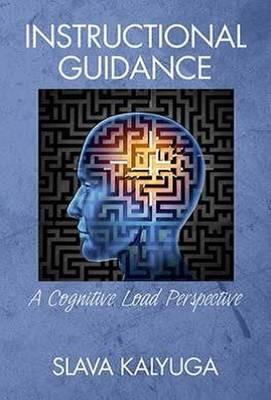
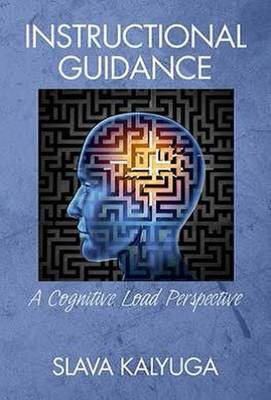
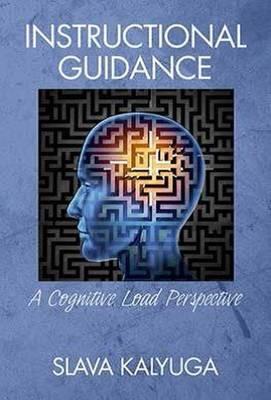
Instructional Guidance: A Cognitive Load Perspective

150,40 €
+1500
punti 

Venditore: Feltrinelli
Articolo acquistabile con Carta del Docente

Articolo acquistabile con Carta Cultura Giovani e Carta del Merito

Paga con Klarna in 3 rate senza interessi per ordini superiori a 39 €

Dati e Statistiche
 Salvato in 0 liste dei desideri
Salvato in 0 liste dei desideri
Instructional Guidance: A Cognitive Load Perspective
Disponibilità in 2 settimane
150,40 €
150,40 €
Disp. in 2 settimane



The book explores a cognitive load perspective on instructional guidance. Cognitive load theory is focused on instructional design implications and prescriptions that flow from human cognitive architecture, and it has become one of the leading theories of instructional design. According to this theoretical perspective, the purpose of instructional guidance is to reduce learner potential cognitive overload by providing appropriate information in the right time and in a suitable format. As the learner's level of prior knowledge is considered as the main factor influencing this decision, the effect of learner prior knowledge on effectiveness of instructional methods (the expertise reversal effect in cognitive load theory) provides the basic framework for the book. The fully-guided direct instruction and minimally-guided inquiry (discovery or exploratory) learning are often discussed in instructional psychology literature as examples of approaches with opposed degrees of guidance provided to the learners. This book considers the whole range of the levels of guidance (including intermediate levels) and approaches the problem of balancing learner guidance from a cognitive load perspective. The significance of this approach is in applying our current knowledge of human cognitive architecture to develop an integrated instructional approach bringing together the best features and advantages of direct instruction and inquiry learning. Both direct instruction and inquiry learning approaches have been around for long time, and their proponents can produce evidence of their effectiveness. This evidence needs to be treated within the context of appropriate learning goals in specific instructional settings for specific types of learners. This book provides an unbiased theoretical framework for managing learner instructional guidance and working principles for selecting appropriate levels and methods of instructional guidance (e.g., sequences of exploratory problems and explicit instruction; forms and levels of embedded guidance; and adapting methodologies) optimal for learners at different levels of prior knowledge.
-
Curatore:
-
Editore:
-
Anno:2015
-
Rilegatura:Hardback
Pagine:
270 p.
Testo in English
Dimensioni:
237 x 159 mm
EAN:
9781681231358
Informazioni e Contatti sulla Sicurezza dei Prodotti
Le schede prodotto sono aggiornate in conformità al Regolamento UE 988/2023. Laddove ci fossero taluni dati non disponibili per ragioni indipendenti da Feltrinelli, vi informiamo che stiamo compiendo ogni ragionevole sforzo per inserirli. Vi invitiamo a controllare periodicamente il sito www.lafeltrinelli.it per eventuali novità e aggiornamenti.
Per le vendite di prodotti da terze parti, ciascun venditore si assume la piena e diretta responsabilità per la commercializzazione del prodotto e per la sua conformità al Regolamento UE 988/2023, nonché alle normative nazionali ed europee vigenti.
Per informazioni sulla sicurezza dei prodotti, contattare productsafety@feltrinelli.it
