










EBOOK IN LINGUA STRANIERA





Legislating Instability

38,37 €
+380
punti 
Venditore: Feltrinelli

Acquista online
Scaricabile subito
Articolo acquistabile con Carta del Docente

Articolo acquistabile con Carta Cultura Giovani e Carta del Merito

Articolo acquistabile con Carta della Cultura

Dati e Statistiche
 Salvato in 0 liste dei desideri
Salvato in 0 liste dei desideri
Legislating Instability
Scaricabile subito
38,37 €
38,37 €
Scaricabile subito

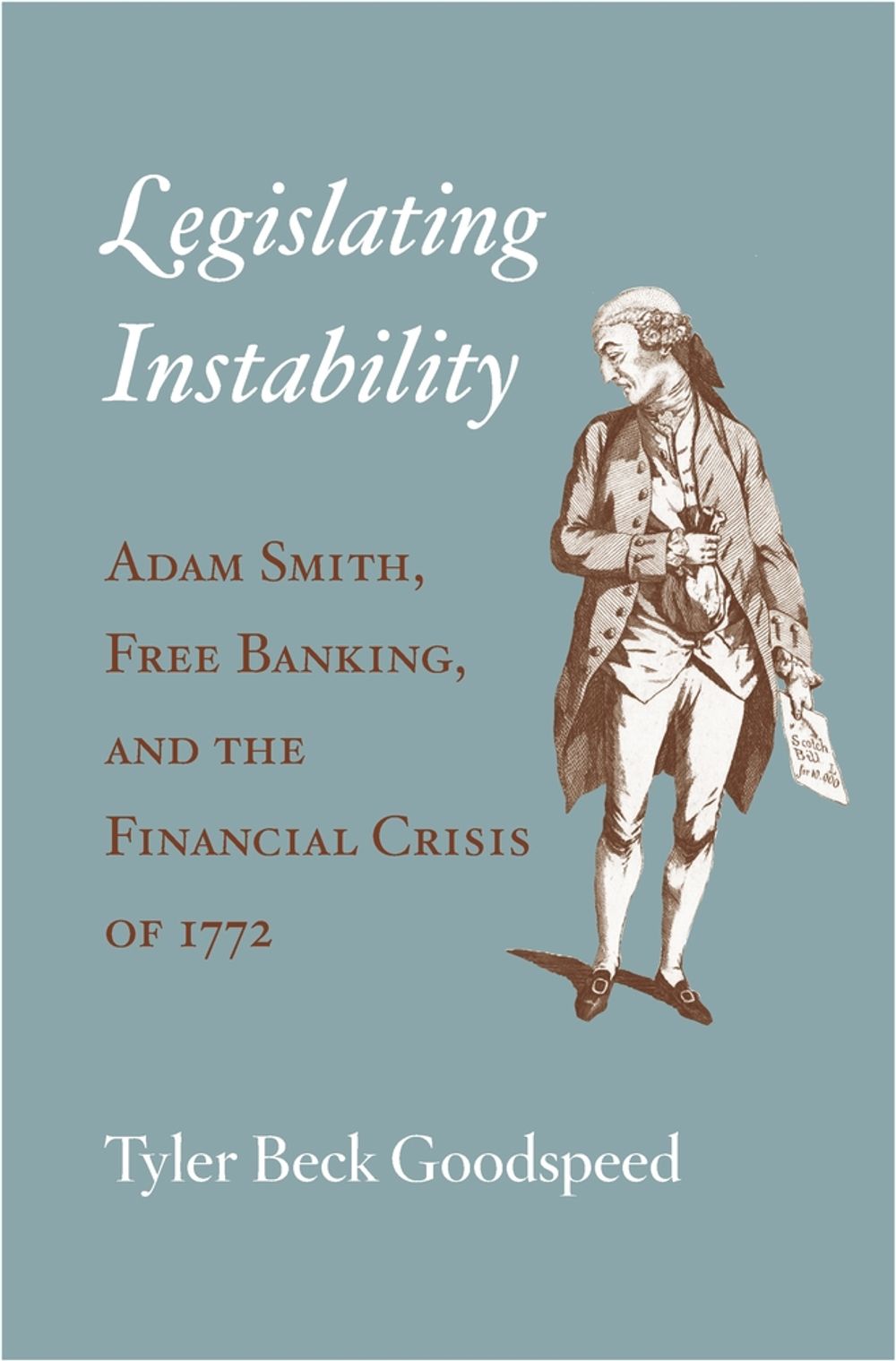



From 1716 to 1845, Scotland’s banks were among the most dynamic and resilient in Europe, effectively absorbing a series of adverse economic shocks that rocked financial markets in London and on the continent. Legislating Instability explains the seeming paradox that the Scottish banking system achieved this success without the government controls usually considered necessary for economic stability. Eighteenth-century Scottish banks operated in a regulatory vacuum: no central bank to act as lender of last resort, no monopoly on issuing currency, no legal requirements for maintaining capital reserves, and no formal limits on bank size. These conditions produced a remarkably robust banking system, one that was intensely competitive and served as a prime engine of Scottish economic growth. Despite indicators that might have seemed red flags—large speculative capital flows, a fixed exchange rate, and substantial external debt—Scotland successfully navigated two severe financial crises during the Seven Years’ War. The exception was a severe financial crisis in 1772, seven years after the imposition of the first regulations on Scottish banking—the result of aggressive lobbying by large banks seeking to weed out competition. While these restrictions did not cause the 1772 crisis, Tyler Beck Goodspeed argues, they critically undermined the flexibility and resilience previously exhibited by Scottish finance, thereby elevating the risk that another adverse economic shock, such as occurred in 1772, might threaten financial stability more broadly. Far from revealing the shortcomings of unregulated banking, as Adam Smith claimed, the 1772 crisis exposed the risks of ill-conceived bank regulation.
-
Autore:
-
Anno edizione:2016
-
Editore:
-
Formato:
-
Lingua:Inglese
Compatibilità:
Tutti i dispositivi (eccetto Kindle) Scopri di più
Layout:
Reflowable
EAN:
9780674969018

Formato:
Gli eBook venduti da Feltrinelli.it sono in formato ePub e possono essere protetti da Adobe DRM. In caso di download di un file protetto da DRM si otterrà un file in formato .acs, (Adobe Content Server Message), che dovrà essere aperto tramite Adobe Digital Editions e autorizzato tramite un account Adobe, prima di poter essere letto su pc o trasferito su dispositivi compatibili.
Cloud:
Gli eBook venduti da Feltrinelli.it sono sincronizzati automaticamente su tutti i client di lettura Kobo successivamente all’acquisto. Grazie al Cloud Kobo i progressi di lettura, le note, le evidenziazioni vengono salvati e sincronizzati automaticamente su tutti i dispositivi e le APP di lettura Kobo utilizzati per la lettura.
Clicca qui per sapere come scaricare gli ebook utilizzando un pc con sistema operativo Windows
