









EBOOK IN LINGUA STRANIERA





ME: A Novel

11,43 €
+110
punti 

Venditore: Feltrinelli

Acquisto online
Scaricabile subito
Articolo acquistabile con Carta del Docente

Articolo acquistabile con Carta Cultura Giovani e Carta del Merito

Dati e Statistiche
 Salvato in 0 liste dei desideri
Salvato in 0 liste dei desideri
ME: A Novel
Scaricabile subito
11,43 €
11,43 €
Scaricabile subito
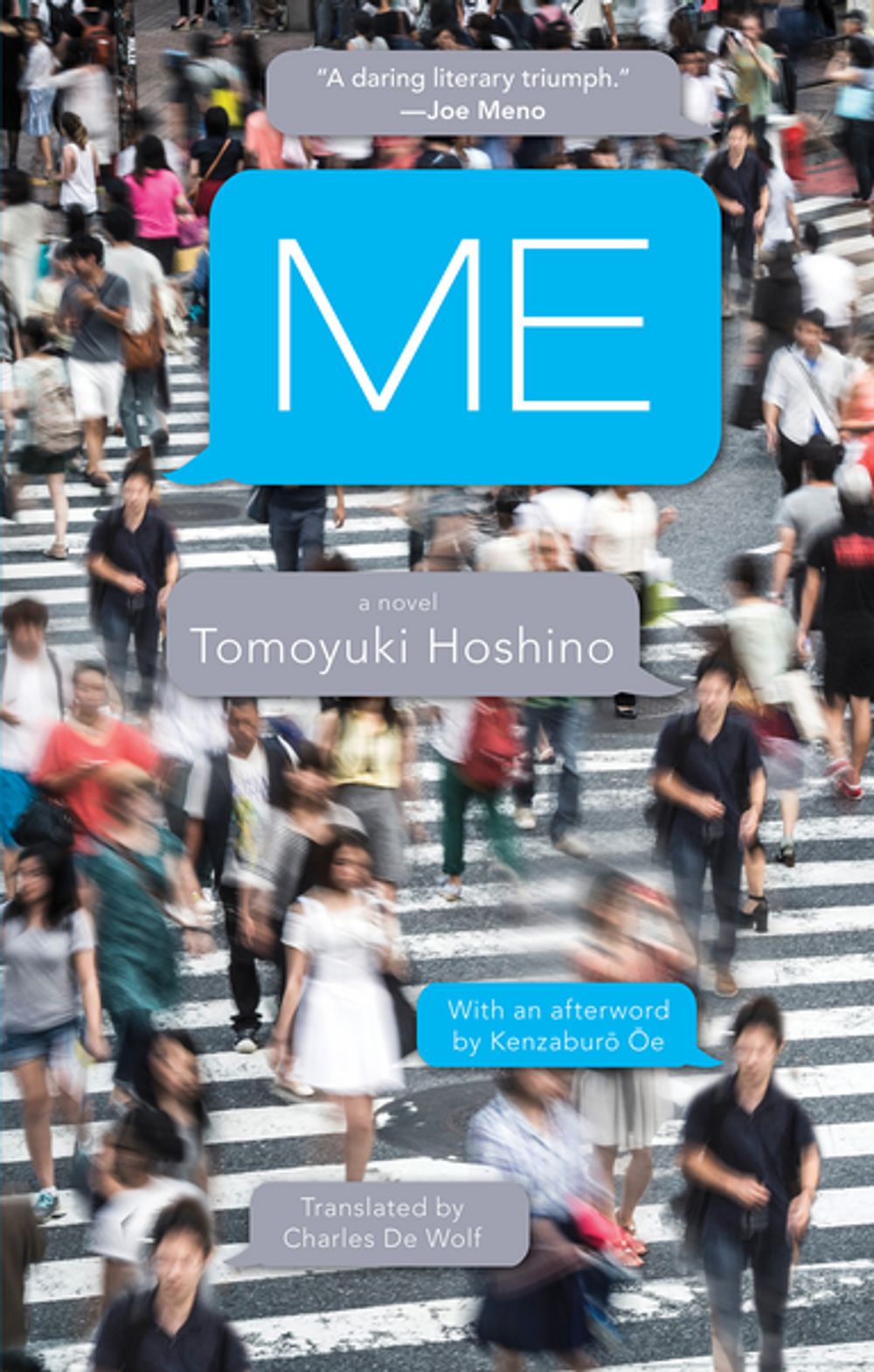



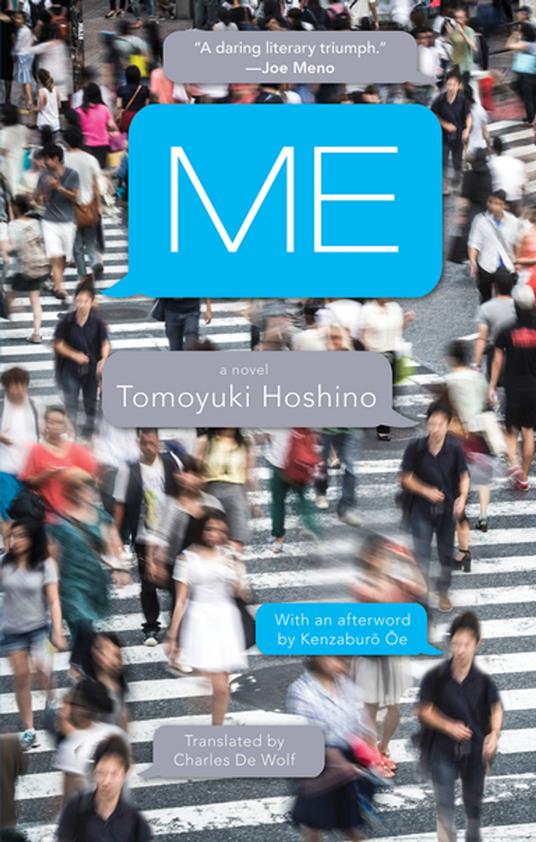
The unsettling story of a young man who suffers an identity crisis after getting tangled up in a telephone scam. “A Kafkaesque journey of a lonely narrator being absorbed by an impersonal system.” —Los Angeles Review of Books This novel centers on the “It’s me” telephone scam—often targeting the elderly—that has escalated in Japan in recent years. Typically, the caller identifies himself only by saying, “Hey, it’s me,” and goes on to claim in great distress that he’s been in an accident or lost some money with which he was entrusted at work, etc., and needs funds wired to his account right away. ME’s narrator is a nondescript young Tokyoite named Hitoshi Nagano who, on a whim, takes home a cell phone that a young man named Daiki Hiyama accidentally put on Hitoshi’s tray at McDonald’s. Hitoshi uses the phone to call Daiki’s mother, pretending he is Daiki, and convinces her to wire him 900,000 yen. Three days later, Hitoshi returns home from work to discover Daiki’s mother there in his apartment, and she seems to truly believe Hitoshi is her son. Even more bizarre, Hitoshi discovers his own parents now treat him as a stranger; they, too, have a “me” living with them as Hitoshi. At a loss for what else to do, Hitoshi begins living as Daiki, and no one seems to bat an eye. In a brilliant probing of identity, and employing a highly original style that subverts standard narrative forms, Tomoyuki Hoshino elevates what might have been a commonplace crime story to an occasion for philosophical reflection. In the process, he offers profound insights into the state of contemporary Japanese society. Typically, the caller identifies himself only by saying, "Hey, it's me," and goes on to claim in great distress that he's been in an accident or lost some money with which he was entrusted at work, etc., and needs funds wired to his account right away. ME's narrator is a nondescript young Tokyoite named Hitoshi Nagano who, on a whim, takes home a cell phone that a young man named Daiki Hiyama accidentally put on Hitoshi's tray at McDonald's. Hitoshi uses the phone to call Daiki's mother, pretending he is Daiki, and convinces her to wire him 900,000 yen. Three days later, Hitoshi returns home from work to discover Daiki's mother there in his apartment, and she seems to truly believe Hitoshi is her son. Even more bizarre, Hitoshi discovers his own parents now treat him as a stranger; they, too, have a "me" living with them as Hitoshi. At a loss for what else to do, Hitoshi begins living as Daiki, and no one seems to bat an eye. In a brilliant probing of identity, and employing a highly original style that subverts standard narrative forms, Tomoyuki Hoshino elevates what might have been a commonplace crime story to an occasion for philosophical reflection. In the process, he offers profound insights into the state of contemporary Japanese society. Charles De Wolf, PhD, professor emeritus, Keio University, is a linguist by training, though his first love was literature. Multilingual, he has spent most of his life in East Asia and is a citizen of Japan. His translations include Mandarins, a selection of short stories by Ryunosuke Akutagawa (Archipelago Books) and collections of folktales from Konjaku Monogatari-shu. He has written extensively about The Tale of Genji; and is currently working on his own translation of the work.
-
Autore:
-
Traduttore:
-
Anno edizione:2017
-
Editore:
-
Formato:
Lingua:
Inglese
Compatibilità:
Tutti i dispositivi (eccetto Kindle) Scopri di più
Layout:
Reflowable
EAN:
9781617755569

Formato:
Gli eBook venduti da Feltrinelli.it sono in formato ePub e possono essere protetti da Adobe DRM. In caso di download di un file protetto da DRM si otterrà un file in formato .acs, (Adobe Content Server Message), che dovrà essere aperto tramite Adobe Digital Editions e autorizzato tramite un account Adobe, prima di poter essere letto su pc o trasferito su dispositivi compatibili.
Cloud:
Gli eBook venduti da Feltrinelli.it sono sincronizzati automaticamente su tutti i client di lettura Kobo successivamente all’acquisto. Grazie al Cloud Kobo i progressi di lettura, le note, le evidenziazioni vengono salvati e sincronizzati automaticamente su tutti i dispositivi e le APP di lettura Kobo utilizzati per la lettura.
Clicca qui per sapere come scaricare gli ebook utilizzando un pc con sistema operativo Windows
