










EBOOK IN LINGUA STRANIERA





The Model Legume Medicago truncatula

485,99 €
+4860
punti 
Venditore: Feltrinelli

Acquista online
Scaricabile subito
Articolo acquistabile con Carta del Docente

Articolo acquistabile con Carta Cultura Giovani e Carta del Merito

Articolo acquistabile con Carta della Cultura

Dati e Statistiche
 Salvato in 0 liste dei desideri
Salvato in 0 liste dei desideri
The Model Legume Medicago truncatula
Scaricabile subito
485,99 €
485,99 €
Scaricabile subito

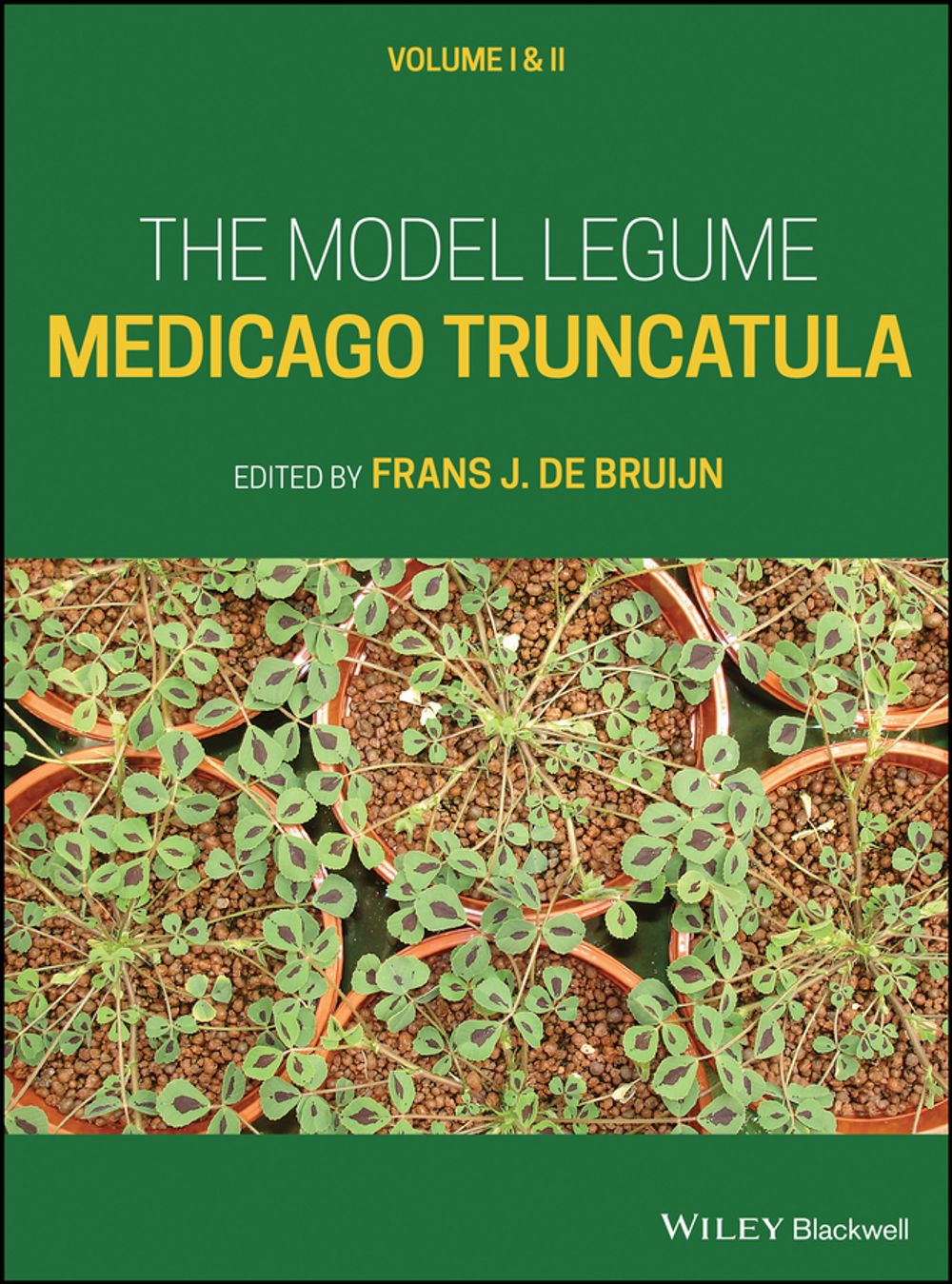


Fully covers the biology, biochemistry, genetics, and genomics of Medicago truncatula Model plant species are valuable not only because they lead to discoveries in basic biology, but also because they provide resources that facilitate translational biology to improve crops of economic importance. Plant scientists are drawn to models because of their ease of manipulation, simple genome organization, rapid life cycles, and the availability of multiple genetic and genomic tools. This reference provides comprehensive coverage of the Model Legume Medicago truncatula. It features review chapters as well as research chapters describing experiments carried out by the authors with clear materials and methods. Most of the chapters utilize advanced molecular techniques and biochemical analyses to approach a variety of aspects of the Model. The Model Legume Medicago truncatula starts with an examination of M. truncatula plant development; biosynthesis of natural products; stress and M. truncatula; and the M. truncatula-Sinorhizobium meliloti symbiosis. Symbiosis of Medicago truncatula with arbuscular mycorrhiza comes next, followed by chapters on the common symbiotic signaling pathway (CSSP or SYM) and infection events in the Rhizobium-legume symbiosis. Other sections look at hormones and the rhizobial and mycorrhizal symbioses; autoregulation of nodule numbers (AON) in M. truncatula; Medicago truncatula databases and computer programs; and more. Contains reviews, original research chapters, and methods Covers most aspects of the M. truncatula Model System, including basic biology, biochemistry, genetics, and genomics of this system Offers molecular techniques and advanced biochemical analyses for approaching a variety of aspects of the Model Legume Medicago truncatula Includes introductions by the editor to each section, presenting the summary of selected chapters in the section Features an extensive index, to facilitate the search for key terms The Model Legume Medicago truncatula is an excellent book for researchers and upper level graduate students in microbial ecology, environmental microbiology, plant genetics and biochemistry. It will also benefit legume biologists, plant molecular biologists, agrobiologists, plant breeders, bioinformaticians, and evolutionary biologists.
-
Curatore:
-
Anno edizione:2019
-
Editore:
-
Formato:
Lingua:
Inglese
Compatibilità:
Tutti i dispositivi (eccetto Kindle) Scopri di più
Layout:
Reflowable
EAN:
9781119409151

Formato:
Gli eBook venduti da Feltrinelli.it sono in formato ePub e possono essere protetti da Adobe DRM. In caso di download di un file protetto da DRM si otterrà un file in formato .acs, (Adobe Content Server Message), che dovrà essere aperto tramite Adobe Digital Editions e autorizzato tramite un account Adobe, prima di poter essere letto su pc o trasferito su dispositivi compatibili.
Cloud:
Gli eBook venduti da Feltrinelli.it sono sincronizzati automaticamente su tutti i client di lettura Kobo successivamente all’acquisto. Grazie al Cloud Kobo i progressi di lettura, le note, le evidenziazioni vengono salvati e sincronizzati automaticamente su tutti i dispositivi e le APP di lettura Kobo utilizzati per la lettura.
Clicca qui per sapere come scaricare gli ebook utilizzando un pc con sistema operativo Windows
