










EBOOK IN LINGUA STRANIERA





Neural Fields

93,59 €
+940
punti 
Venditore: Feltrinelli

Acquista online
Scaricabile subito
Articolo acquistabile con Carta del Docente

Articolo acquistabile con Carta Cultura Giovani e Carta del Merito

Articolo acquistabile con Carta della Cultura

Dati e Statistiche
 Salvato in 0 liste dei desideri
Salvato in 0 liste dei desideri
Neural Fields
Scaricabile subito
93,59 €
93,59 €
Scaricabile subito

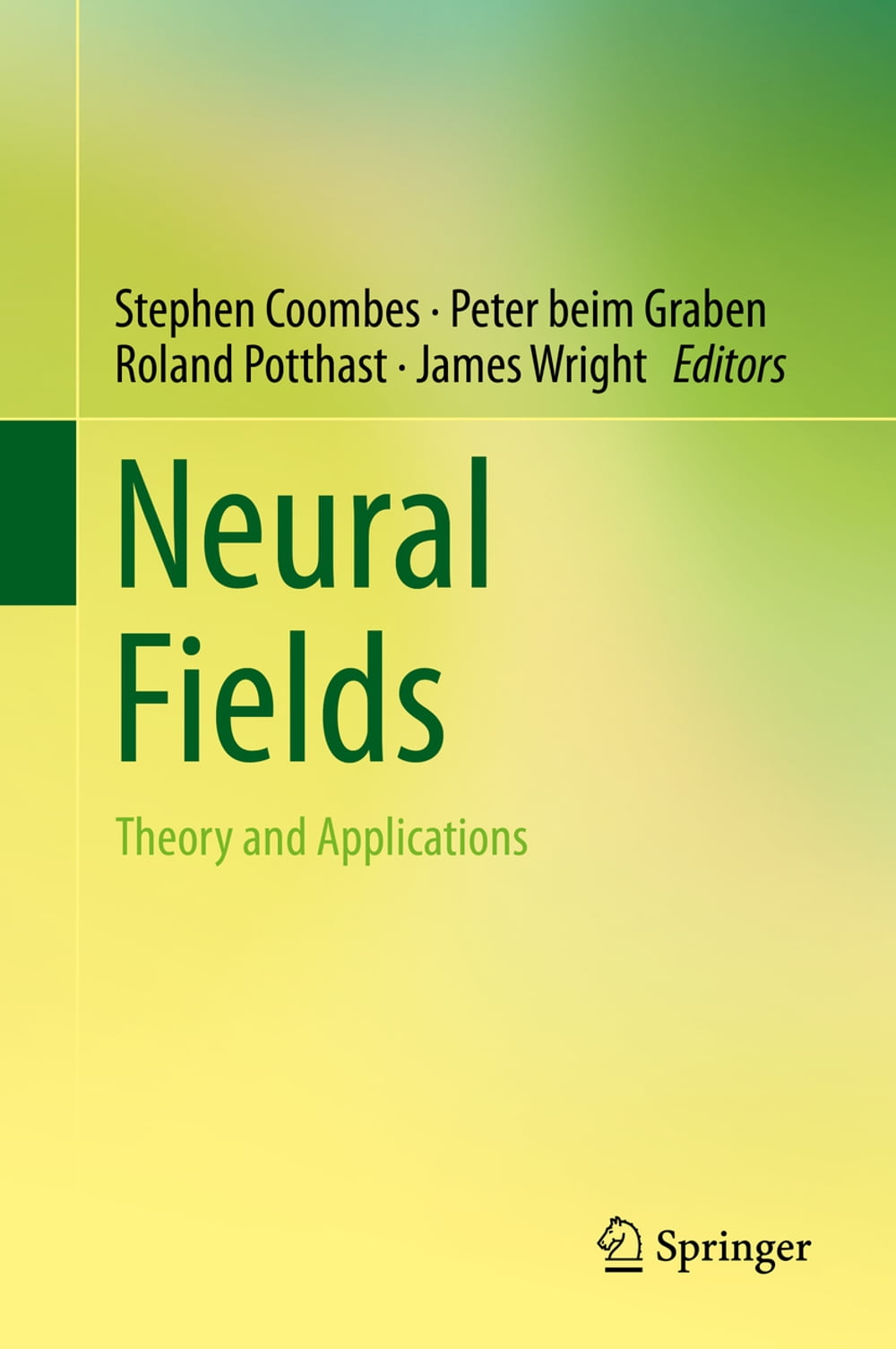



Neural field theory has a long-standing tradition in the mathematical and computational neurosciences. Beginning almost 50 years ago with seminal work by Griffiths and culminating in the 1970ties with the models of Wilson and Cowan, Nunez and Amari, this important research area experienced a renaissance during the 1990ties by the groups of Ermentrout, Robinson, Bressloff, Wright and Haken. Since then, much progress has been made in both, the development of mathematical and numerical techniques and in physiological refinement und understanding. In contrast to large-scale neural network models described by huge connectivity matrices that are computationally expensive in numerical simulations, neural field models described by connectivity kernels allow for analytical treatment by means of methods from functional analysis. Thus, a number of rigorous results on the existence of bump and wave solutions or on inverse kernel construction problems are nowadays available. Moreover, neural fields provide an important interface for the coupling of neural activity to experimentally observable data, such as the electroencephalogram (EEG) or functional magnetic resonance imaging (fMRI). And finally, neural fields over rather abstract feature spaces, also called dynamic fields, found successful applications in the cognitive sciences and in robotics. Up to now, research results in neural field theory have been disseminated across a number of distinct journals from mathematics, computational neuroscience, biophysics, cognitive science and others. There is no comprehensive collection of results or reviews available yet. With our proposed book Neural Field Theory, we aim at filling this gap in the market. We received consent from some of the leading scientists in the field, who are willing to write contributions for the book, among them are two of the founding-fathers of neural field theory: Shun-ichi Amari and Jack Cowan.
-
Curatore:
-
Anno edizione:2014
-
Editore:
-
Formato:
Lingua:
Inglese
Compatibilità:
Tutti i dispositivi (eccetto Kindle) Scopri di più
Layout:
Reflowable
EAN:
9783642545931

Formato:
Gli eBook venduti da Feltrinelli.it sono in formato ePub e possono essere protetti da Adobe DRM. In caso di download di un file protetto da DRM si otterrà un file in formato .acs, (Adobe Content Server Message), che dovrà essere aperto tramite Adobe Digital Editions e autorizzato tramite un account Adobe, prima di poter essere letto su pc o trasferito su dispositivi compatibili.
Cloud:
Gli eBook venduti da Feltrinelli.it sono sincronizzati automaticamente su tutti i client di lettura Kobo successivamente all’acquisto. Grazie al Cloud Kobo i progressi di lettura, le note, le evidenziazioni vengono salvati e sincronizzati automaticamente su tutti i dispositivi e le APP di lettura Kobo utilizzati per la lettura.
Clicca qui per sapere come scaricare gli ebook utilizzando un pc con sistema operativo Windows
