










EBOOK IN LINGUA STRANIERA





Religion, Language, and the Human Mind

125,41 €
+1250
punti 
Venditore: Feltrinelli

Acquista online
Scaricabile subito
Articolo acquistabile con Carta del Docente

Articolo acquistabile con Carta Cultura Giovani e Carta del Merito

Articolo acquistabile con Carta della Cultura

Dati e Statistiche
 Salvato in 0 liste dei desideri
Salvato in 0 liste dei desideri
Religion, Language, and the Human Mind
Scaricabile subito
125,41 €
125,41 €
Scaricabile subito
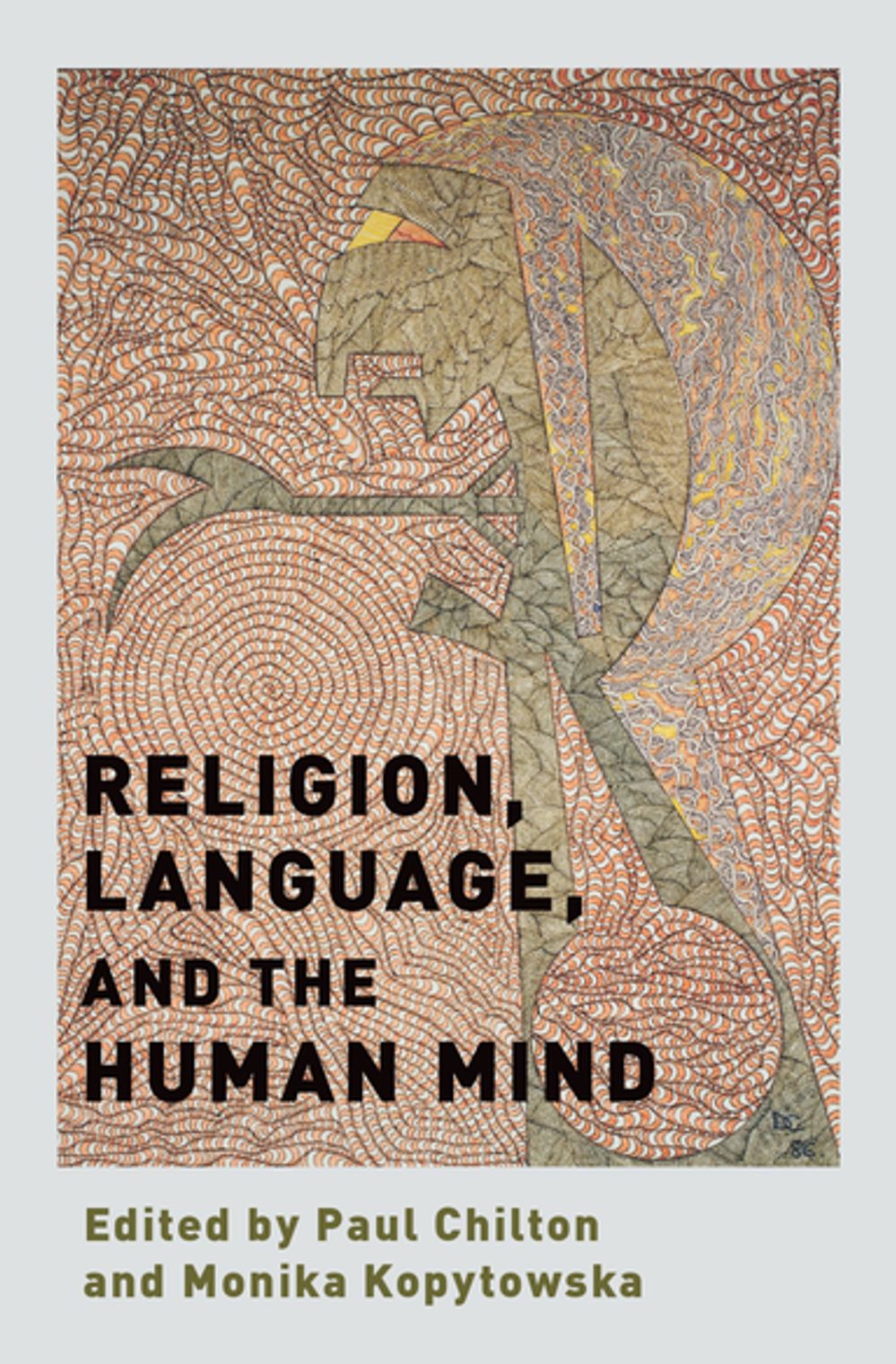


What is religion? How does it work? Many natural abilities of the human mind are involved, and crucial among them is the ability to use language. This volume brings together research from linguistics, cognitive science and neuroscience, as well as from religious studies, to understand the phenomena of religion as a distinctly human enterprise. The book is divided into three parts, each part preceded by a full introductory chapter by the editors that discusses modern scientific approaches to religion and the application of modern linguistics, particularly cognitive linguistics and pragmatics. Part I surveys the development of modern studies of religious language and the diverse disciplinary strands that have emerged. Beginning with descriptive approaches to religious language and the problem of describing religious concepts across languages, chapters introduce the turn to cognition in linguistics and also in theology, and explore the brain's contrasting capacities, in particular its capacity for language and metaphor. Part II continues the discussion of metaphor - the natural ability by which humans draw on basic knowledge of the world in order to explore abstractions and intangibles. Specialists in particular religions apply conceptual metaphor theory in various ways, covering several major religious traditions-Buddhism, Christianity, Hinduism, Islam and Judaism. Part III seeks to open up new horizons for cognitive-linguistic research on religion, looking beyond written texts to the ways in which language is integrated with other modalities, including ritual, religious art, and religious electronic media. Chapters in Part III introduce readers to a range of technical instruments that have been developed within cognitive linguistics and discourse analysis in recent years. What unfolds ultimately is the idea that the embodied cognition of humans is the basis not only of their languages, but also of their religions.
-
Curatore:
-
Anno edizione:2018
-
Editore:
-
Formato:
Lingua:
Inglese
Compatibilità:
Tutti i dispositivi (eccetto Kindle) Scopri di più
Layout:
Reflowable
EAN:
9780190636661

Formato:
Gli eBook venduti da Feltrinelli.it sono in formato ePub e possono essere protetti da Adobe DRM. In caso di download di un file protetto da DRM si otterrà un file in formato .acs, (Adobe Content Server Message), che dovrà essere aperto tramite Adobe Digital Editions e autorizzato tramite un account Adobe, prima di poter essere letto su pc o trasferito su dispositivi compatibili.
Cloud:
Gli eBook venduti da Feltrinelli.it sono sincronizzati automaticamente su tutti i client di lettura Kobo successivamente all’acquisto. Grazie al Cloud Kobo i progressi di lettura, le note, le evidenziazioni vengono salvati e sincronizzati automaticamente su tutti i dispositivi e le APP di lettura Kobo utilizzati per la lettura.
Clicca qui per sapere come scaricare gli ebook utilizzando un pc con sistema operativo Windows
