










EBOOK IN LINGUA STRANIERA





Rogue Archives

32,13 €
+320
punti 
Venditore: Feltrinelli

Acquista online
Scaricabile subito
Articolo acquistabile con Carta del Docente

Articolo acquistabile con Carta Cultura Giovani e Carta del Merito

Articolo acquistabile con Carta della Cultura

Dati e Statistiche
 Salvato in 0 liste dei desideri
Salvato in 0 liste dei desideri
Rogue Archives
Scaricabile subito
32,13 €
32,13 €
Scaricabile subito
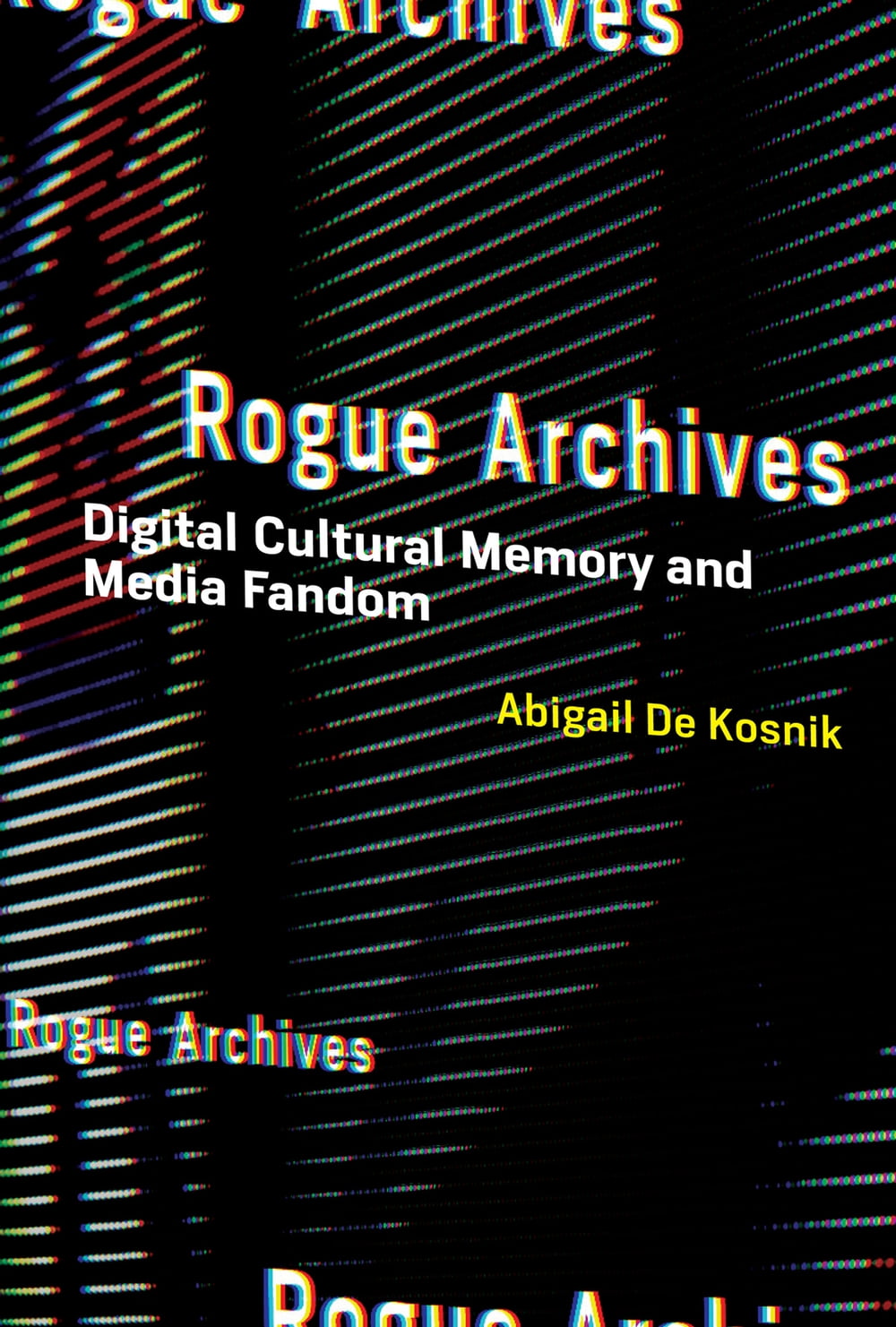


An examination of how nonprofessional archivists, especially media fans, practice cultural preservation on the Internet and how “digital cultural memory” differs radically from print-era archiving. The task of archiving was once entrusted only to museums, libraries, and other institutions that acted as repositories of culture in material form. But with the rise of digital networked media, a multitude of self-designated archivists—fans, pirates, hackers—have become practitioners of cultural preservation on the Internet. These nonprofessional archivists have democratized cultural memory, building freely accessible online archives of whatever content they consider suitable for digital preservation. In Rogue Archives, Abigail De Kosnik examines the practice of archiving in the transition from print to digital media, looking in particular at Internet fan fiction archives. De Kosnik explains that media users today regard all of mass culture as an archive, from which they can redeploy content for their own creations. Hence, “remix culture” and fan fiction are core genres of digital cultural production. De Kosnik explores, among other things, the anticanonical archiving styles of Internet preservationists; the volunteer labor of online archiving; how fan archives serve women and queer users as cultural resources; archivists' efforts to attract racially and sexually diverse content; and how digital archives adhere to the logics of performance more than the logics of print. She also considers the similarities and differences among free culture, free software, and fan communities, and uses digital humanities tools to quantify and visualize the size, user base, and rate of growth of several online fan archives.
-
Autore:
-
Anno edizione:2016
-
Editore:
-
Formato:
-
Lingua:Inglese
Compatibilità:
Tutti i dispositivi (eccetto Kindle) Scopri di più
Layout:
Reflowable
EAN:
9780262336772

Formato:
Gli eBook venduti da Feltrinelli.it sono in formato ePub e possono essere protetti da Adobe DRM. In caso di download di un file protetto da DRM si otterrà un file in formato .acs, (Adobe Content Server Message), che dovrà essere aperto tramite Adobe Digital Editions e autorizzato tramite un account Adobe, prima di poter essere letto su pc o trasferito su dispositivi compatibili.
Cloud:
Gli eBook venduti da Feltrinelli.it sono sincronizzati automaticamente su tutti i client di lettura Kobo successivamente all’acquisto. Grazie al Cloud Kobo i progressi di lettura, le note, le evidenziazioni vengono salvati e sincronizzati automaticamente su tutti i dispositivi e le APP di lettura Kobo utilizzati per la lettura.
Clicca qui per sapere come scaricare gli ebook utilizzando un pc con sistema operativo Windows
