










EBOOK IN LINGUA STRANIERA





Scripting with Objects

57,99 €
+580
punti 
Venditore: Feltrinelli

Acquista online
Scaricabile subito
Articolo acquistabile con Carta del Docente

Articolo acquistabile con Carta Cultura Giovani e Carta del Merito

Articolo acquistabile con Carta della Cultura

Dati e Statistiche
 Salvato in 0 liste dei desideri
Salvato in 0 liste dei desideri
Scripting with Objects
Scaricabile subito
57,99 €
57,99 €
Scaricabile subito

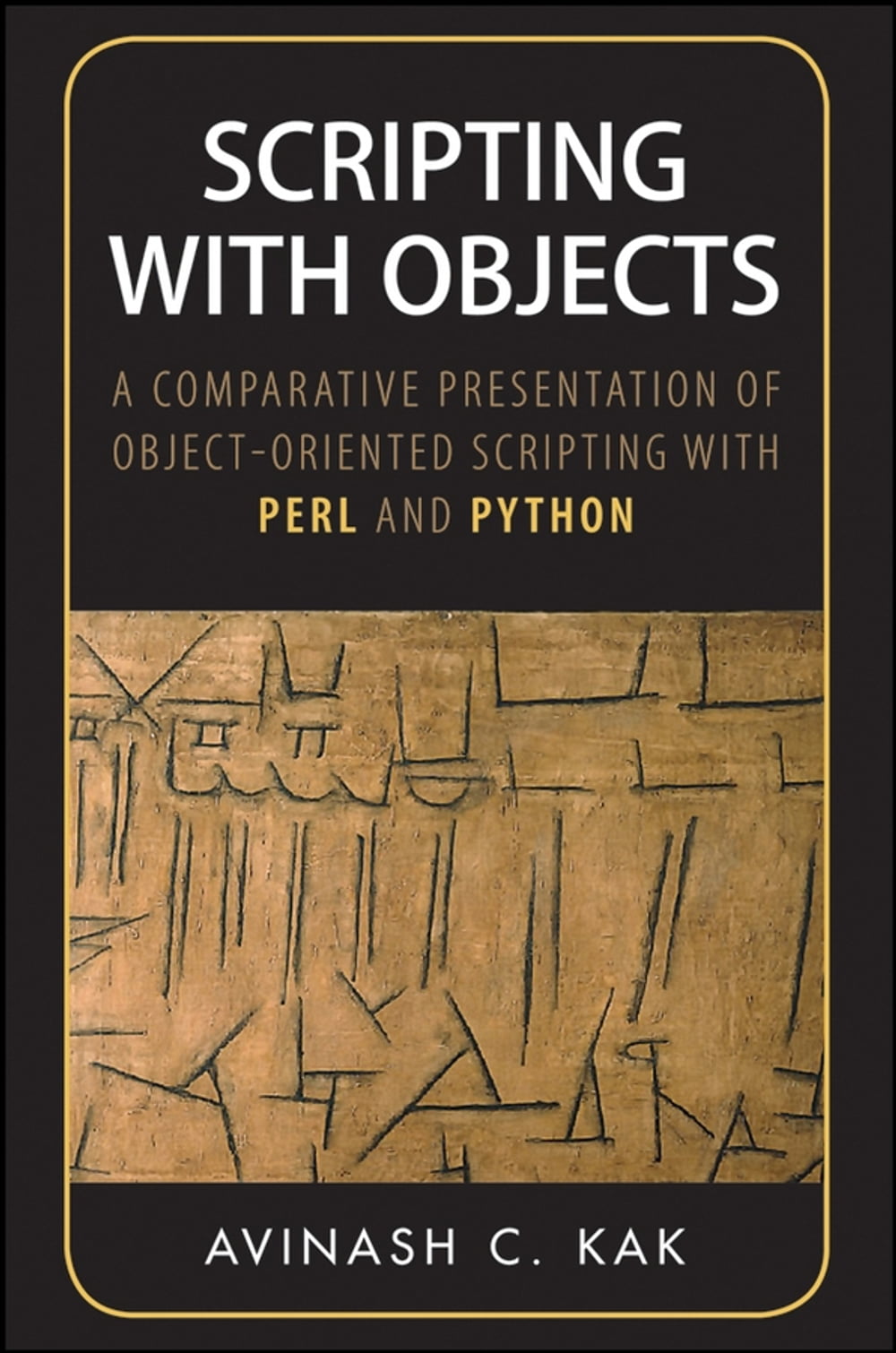



Object-Oriented scripting with Perl and Python Scripting languages are becoming increasingly important for software development. These higher-level languages, with their built-in easy-to-use data structures are convenient for programmers to use as "glue" languages for assembling multi-language applications and for quick prototyping of software architectures. Scripting languages are also used extensively in Web-based applications. Based on the same overall philosophy that made Programming with Objects such a wide success, Scripting with Objects takes a novel dual-language approach to learning advanced scripting with Perl and Python, the dominant languages of the genre. This method of comparing basic syntax and writing application-level scripts is designed to give readers a more comprehensive and expansive perspective on the subject. Beginning with an overview of the importance of scripting languages—and how they differ from mainstream systems programming languages—the book explores: Regular expressions for string processing The notion of a class in Perl and Python Inheritance and polymorphism in Perl and Python Handling exceptions Abstract classes and methods in Perl and Python Weak references for memory management Scripting for graphical user interfaces Multithreaded scripting Scripting for network programming Interacting with databases Processing XML with Perl and Python This book serves as an excellent textbook for a one-semester undergraduate course on advanced scripting in which the students have some prior experience using Perl and Python, or for a two-semester course for students who will be experiencing scripting for the first time. Scripting with Objects is also an ideal resource for industry professionals who are making the transition from Perl to Python, or vice versa.
-
Autore:
-
Anno edizione:2017
-
Editore:
-
Formato:
-
Lingua:Inglese
Compatibilità:
Tutti i dispositivi (eccetto Kindle) Scopri di più
Layout:
Reflowable
EAN:
9781119461142

Formato:
Gli eBook venduti da Feltrinelli.it sono in formato ePub e possono essere protetti da Adobe DRM. In caso di download di un file protetto da DRM si otterrà un file in formato .acs, (Adobe Content Server Message), che dovrà essere aperto tramite Adobe Digital Editions e autorizzato tramite un account Adobe, prima di poter essere letto su pc o trasferito su dispositivi compatibili.
Cloud:
Gli eBook venduti da Feltrinelli.it sono sincronizzati automaticamente su tutti i client di lettura Kobo successivamente all’acquisto. Grazie al Cloud Kobo i progressi di lettura, le note, le evidenziazioni vengono salvati e sincronizzati automaticamente su tutti i dispositivi e le APP di lettura Kobo utilizzati per la lettura.
Clicca qui per sapere come scaricare gli ebook utilizzando un pc con sistema operativo Windows
