









EBOOK IN LINGUA STRANIERA





Soil as World Heritage

131,03 €
+1310
punti 
Venditore: Feltrinelli

Acquista online
Scaricabile subito
Articolo acquistabile con Carta del Docente

Articolo acquistabile con Carta Cultura Giovani e Carta del Merito

Articolo acquistabile con Carta della Cultura

Dati e Statistiche
 Salvato in 0 liste dei desideri
Salvato in 0 liste dei desideri
Soil as World Heritage
Scaricabile subito
131,03 €
131,03 €
Scaricabile subito
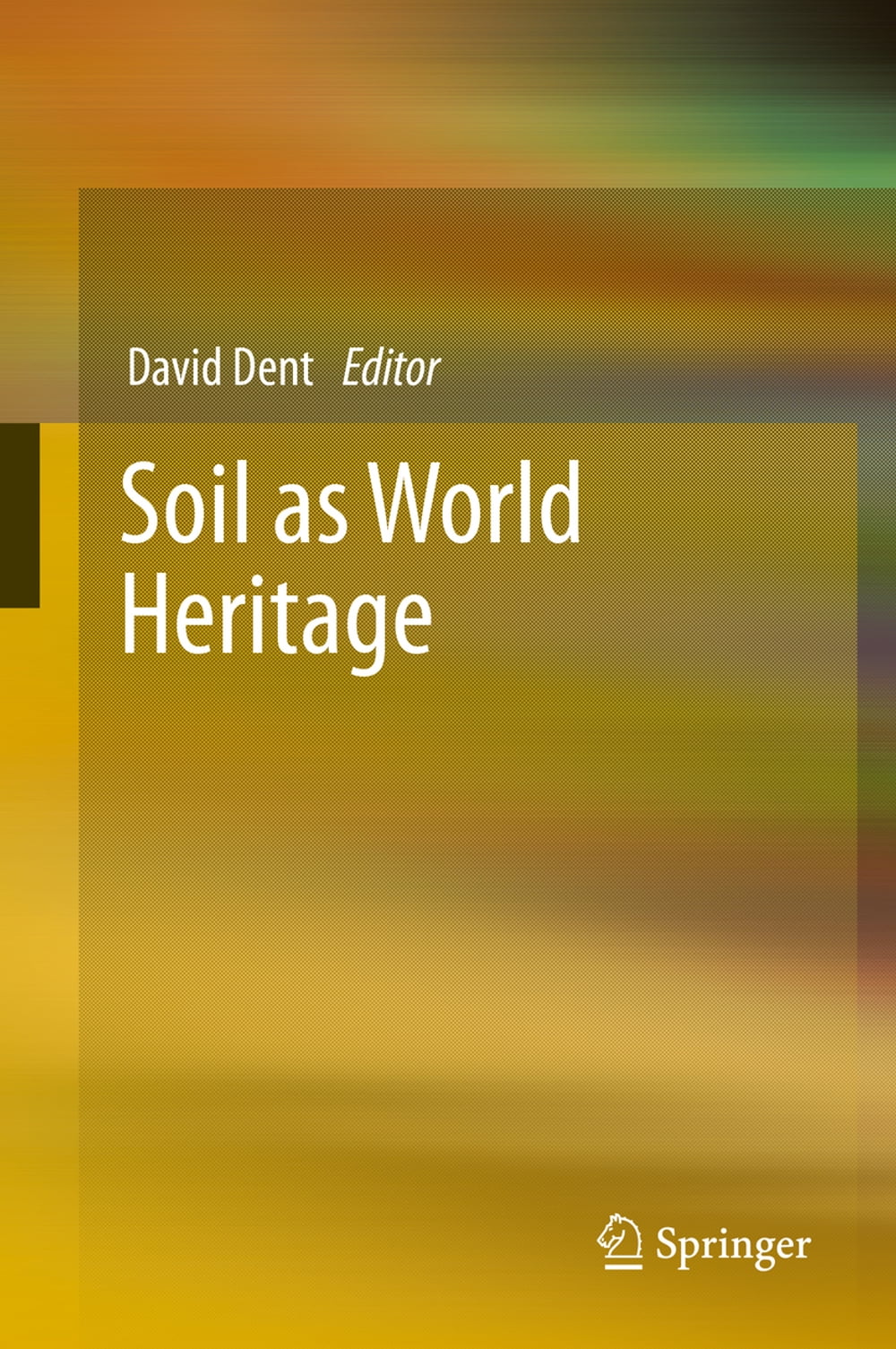


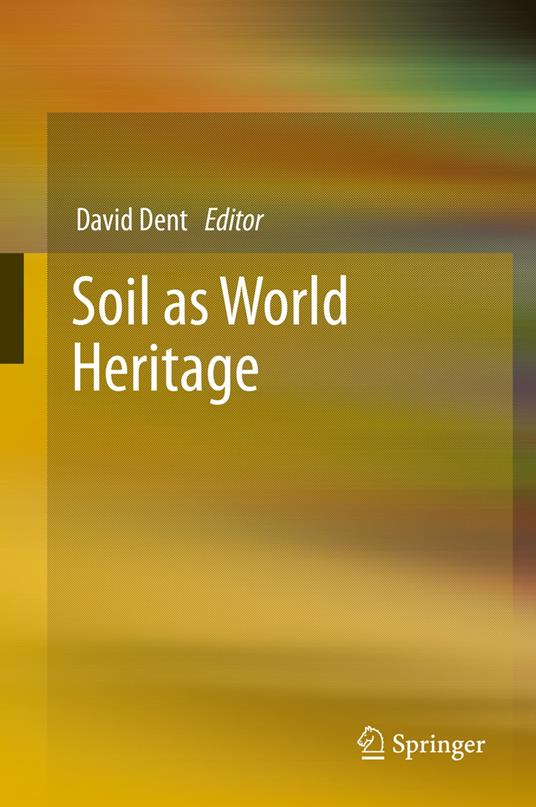
Soil as World Heritage celebrates a half century of field experiments on the Balti Steppe, in Moldova - where Dokuchaev first described the Typical Chernozem in 1877, protected from the elements by a unique system of shelter belts designed by the great man, and now provisionally listed as the first World Heritage Site for soil. The book presents contributions to the 2012 international symposium attended by researchers, practitioners and policy makers from the European Commission and countries as diverse as Belarus, Bulgaria, the Czech Republic, France, Germany, Italy , the Netherlands, Romania, Russia, Ukraine, United Kingdom, USA and, of course, Moldova itself. The experimental data demonstrate the damage caused by human activity to the productivity and integrity of the black earth and, also, ways to restore its fertility. Results from even longer-established trials worldwide also demonstrate that agricultural practices are driving global warming, leaching of nutrients, pollution of water resources, diversion of rainfall away from replenishment of soil and groundwater to destructive runoff, and destroying soil organic matter and biodiversity. These are pressing issues for our generation and will press harder on future generations. Long-term field experiments, and the scientific skills and experience that they nurture, will be more and more valuable as a foundation and focus for interdisciplinary teams studying the effects of farming practices on the soil and soil life so as to devise a sustainable alternative. Europe-wide and worldwide contributions also discuss economic incentives - carbon and green water credits - which themselves require robust supporting data, and legislative aspects of promoting more sustainable farming systems. The outcomes of the conference include recommendations for institutional support for sustainable farming and a draft of the law on land and soil management for the Parliament of Moldova.
-
Curatore:
-
Anno edizione:2013
-
Editore:
-
Formato:
Lingua:
Inglese
Compatibilità:
Tutti i dispositivi (eccetto Kindle) Scopri di più
Layout:
Reflowable
EAN:
9789400761872

Formato:
Gli eBook venduti da Feltrinelli.it sono in formato ePub e possono essere protetti da Adobe DRM. In caso di download di un file protetto da DRM si otterrà un file in formato .acs, (Adobe Content Server Message), che dovrà essere aperto tramite Adobe Digital Editions e autorizzato tramite un account Adobe, prima di poter essere letto su pc o trasferito su dispositivi compatibili.
Cloud:
Gli eBook venduti da Feltrinelli.it sono sincronizzati automaticamente su tutti i client di lettura Kobo successivamente all’acquisto. Grazie al Cloud Kobo i progressi di lettura, le note, le evidenziazioni vengono salvati e sincronizzati automaticamente su tutti i dispositivi e le APP di lettura Kobo utilizzati per la lettura.
Clicca qui per sapere come scaricare gli ebook utilizzando un pc con sistema operativo Windows
