









EBOOK IN LINGUA STRANIERA





Speculation

19,54 €
+200
punti 
Venditore: Feltrinelli

Acquista online
Scaricabile subito
Articolo acquistabile con Carta del Docente

Articolo acquistabile con Carta Cultura Giovani e Carta del Merito

Articolo acquistabile con Carta della Cultura

Dati e Statistiche
 Salvato in 0 liste dei desideri
Salvato in 0 liste dei desideri
Speculation
Scaricabile subito
19,54 €
19,54 €
Scaricabile subito
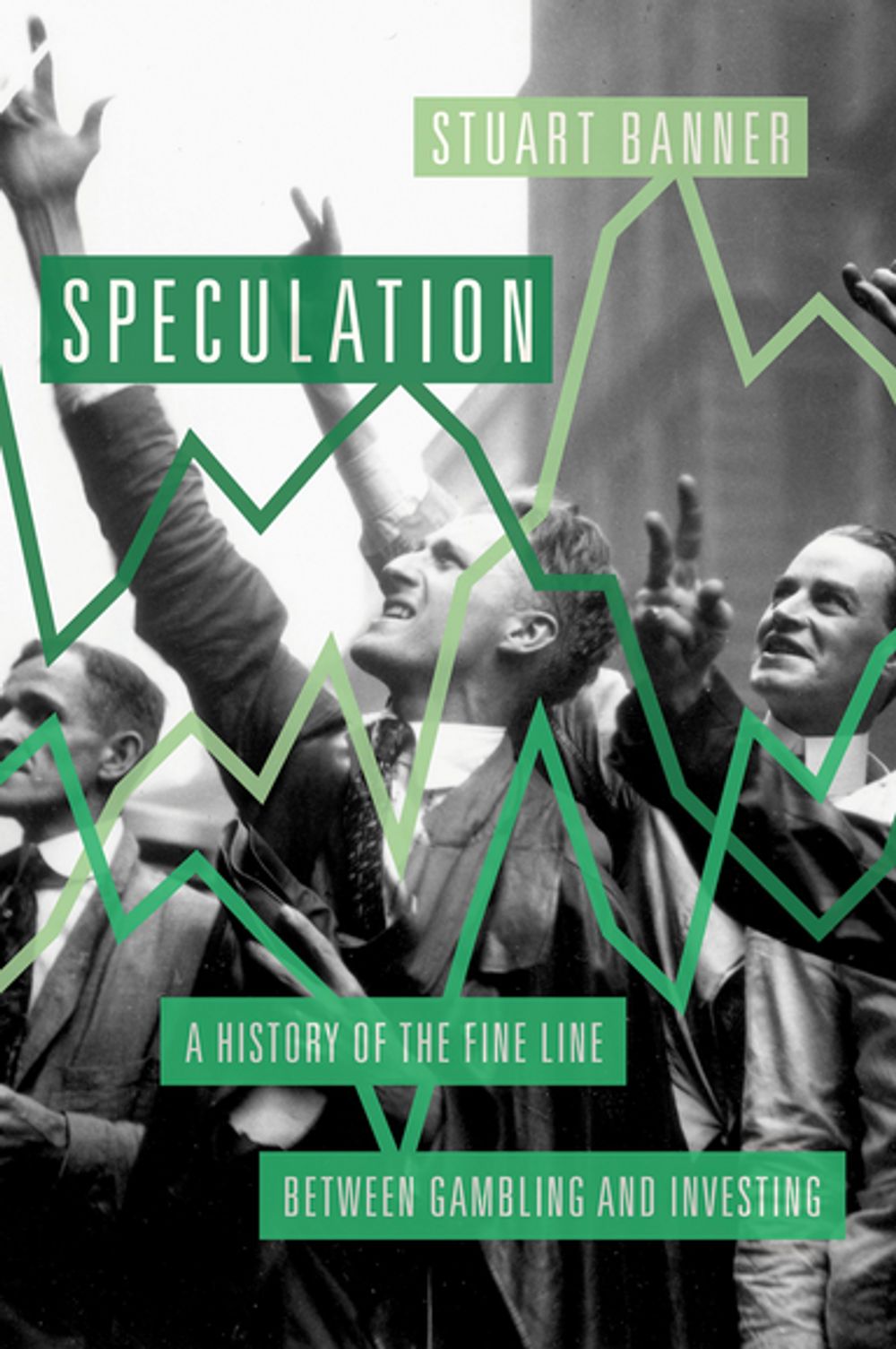


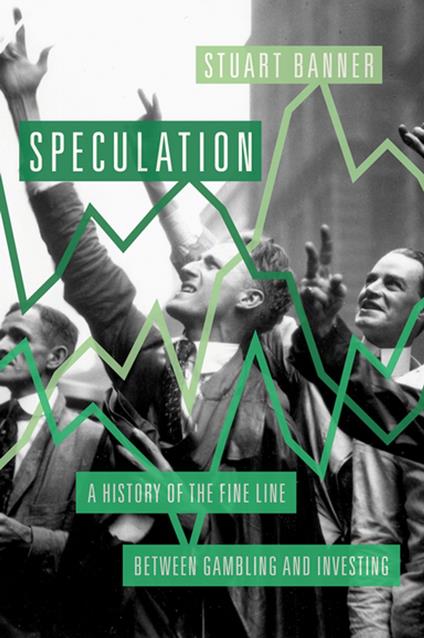
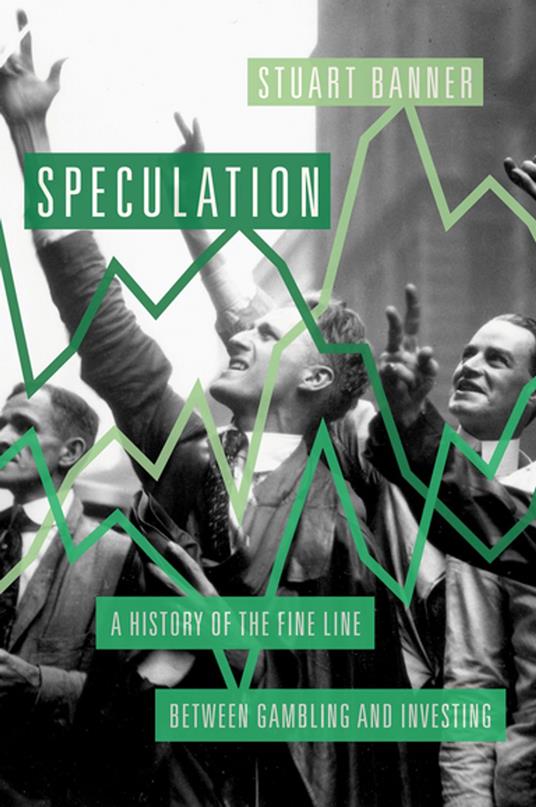
What is the difference between gambling and speculation? This difficult question has posed a legal problem throughout American history. Many have argued that periodic failures by regulators to differentiate between the two have been the proximate causes of catastrophic economic downturns, including the Great Depression and the 2008 global financial crisis. In Speculation, Stuart Banner provides a sweeping history of how the fine lines separating investment, speculation, and outright gambling have shaped America from the 1790s to the present. Advocates for risky investments have long argued that risk-taking is what defines America. On the other side, critics counter that unregulated speculation results in bubbles that draw in the most ill-informed investors, creating financial chaos. The debate has been a perennial feature of American history. The Panic of 1837, the speculative boom of the roaring twenties, and the real estate bubble of the early 2000s are all emblematic of the difficulty in differentiating sober from reckless speculation. Some, chastened by the most recent crash, argue that we need to prohibit certain risky transactions, but others respond by citing the benefits of loosely governed markets and the dangers of over-regulation. Economic crises have generated deep ambivalence, yet Americans' faith in investment and the stock market has always rebounded quickly after even the most savage downturns. Speculation explores a suite of themes that sit at the heart of American history-the ability of courts and regulators to protect ordinary Americans from the ravages of capitalism; the periodic fallibility of the American economy; and the moral conundrum inherent in profiting from speculation while condemning speculators. Banner's engaging and accessible history is invaluable not only for understanding the fault lines beneath the American economy today, but American identity itself.
-
Autore:
-
Anno edizione:2024
-
Editore:
-
Formato:
-
Lingua:Inglese
Compatibilità:
Tutti i dispositivi (eccetto Kindle) Scopri di più
Layout:
Reflowable
EAN:
9780190623067

Formato:
Gli eBook venduti da Feltrinelli.it sono in formato ePub e possono essere protetti da Adobe DRM. In caso di download di un file protetto da DRM si otterrà un file in formato .acs, (Adobe Content Server Message), che dovrà essere aperto tramite Adobe Digital Editions e autorizzato tramite un account Adobe, prima di poter essere letto su pc o trasferito su dispositivi compatibili.
Cloud:
Gli eBook venduti da Feltrinelli.it sono sincronizzati automaticamente su tutti i client di lettura Kobo successivamente all’acquisto. Grazie al Cloud Kobo i progressi di lettura, le note, le evidenziazioni vengono salvati e sincronizzati automaticamente su tutti i dispositivi e le APP di lettura Kobo utilizzati per la lettura.
Clicca qui per sapere come scaricare gli ebook utilizzando un pc con sistema operativo Windows
