










EBOOK IN LINGUA STRANIERA





Urban Modernity

20,79 €
+210
punti 
Venditore: Feltrinelli

Acquista online
Scaricabile subito
Articolo acquistabile con Carta del Docente

Articolo acquistabile con Carta Cultura Giovani e Carta del Merito

Articolo acquistabile con Carta della Cultura

Dati e Statistiche
 Salvato in 0 liste dei desideri
Salvato in 0 liste dei desideri
Urban Modernity
Scaricabile subito
20,79 €
20,79 €
Scaricabile subito

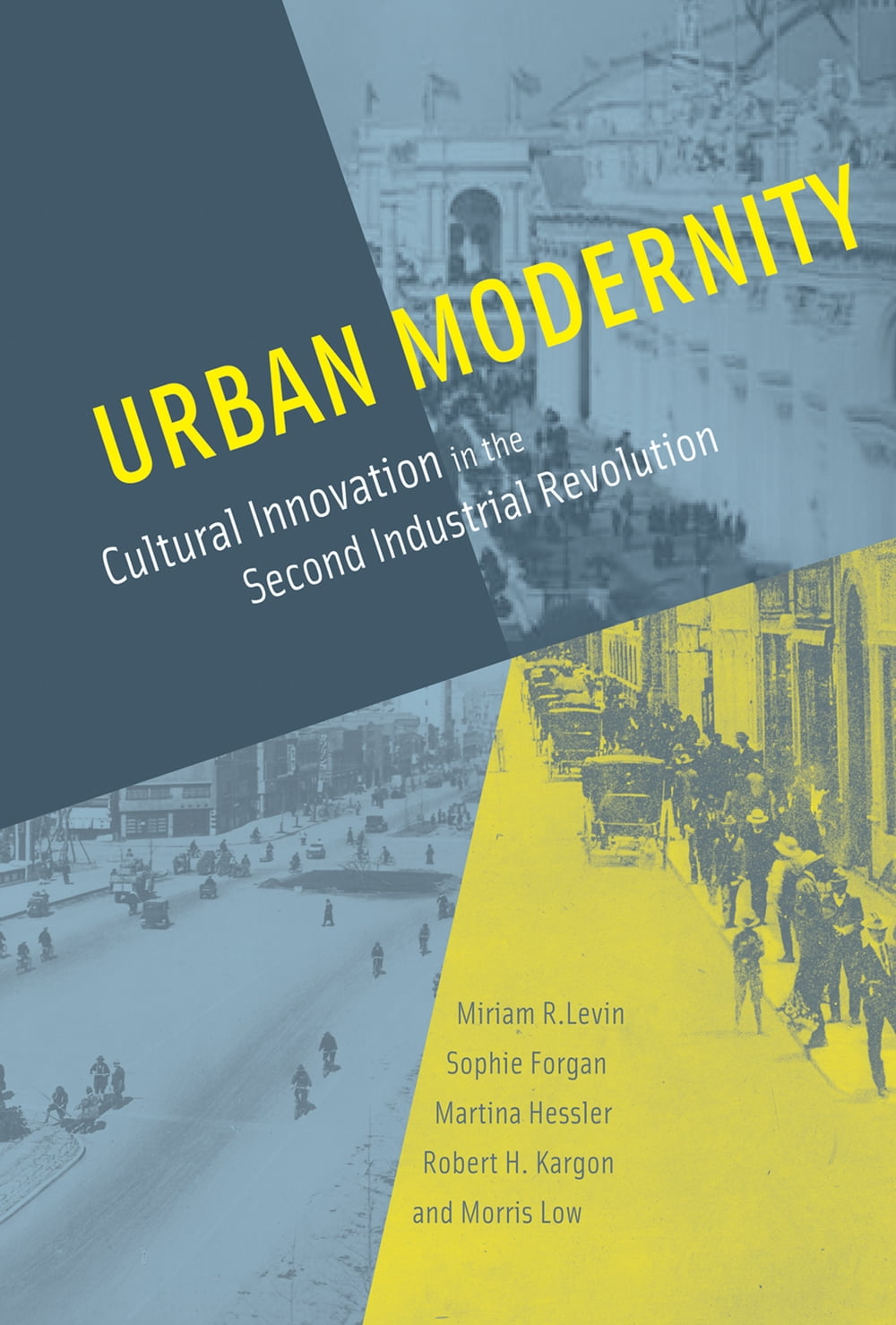


How Paris, London, Chicago, Berlin, and Tokyo created modernity through science and technology by means of urban planning, international expositions, and museums. At the close of the nineteenth century, industrialization and urbanization marked the end of the traditional understanding of society as rooted in agriculture. Urban Modernity examines the construction of an urban-centered, industrial-based culture—an entirely new social reality based on science and technology. The authors show that this invention of modernity was brought about through the efforts of urban elites—businessmen, industrialists, and officials—to establish new science- and technology-related institutions. International expositions, museums, and other such institutions and projects helped stem the economic and social instability fueled by industrialization, projecting the past and the future as part of a steady continuum of scientific and technical progress. The authors examine the dynamic connecting urban planning, museums, educational institutions, and expositions in Paris, London, Chicago, Berlin, and Tokyo from 1870 to 1930. In Third Republic Paris, politicians, administrators, social scientists, architects, and engineers implemented the future city through a series of commissions, agencies, and organizations; in rapidly expanding London, cultures of science and technology were both rooted in and constitutive of urban culture; in Chicago after the Great Fire, Commercial Club members pursued civic ideals through scientific and technological change; in Berlin, industry, scientific institutes, and the popularization of science helped create a modern metropolis; and in Meiji-era Tokyo (Edo), modernization and Westernization went hand in hand.
-
Autore:
-
Anno edizione:2010
-
Editore:
-
Formato:
-
Lingua:Inglese
Compatibilità:
Tutti i dispositivi (eccetto Kindle) Scopri di più
Layout:
Reflowable
EAN:
9780262265638

Formato:
Gli eBook venduti da Feltrinelli.it sono in formato ePub e possono essere protetti da Adobe DRM. In caso di download di un file protetto da DRM si otterrà un file in formato .acs, (Adobe Content Server Message), che dovrà essere aperto tramite Adobe Digital Editions e autorizzato tramite un account Adobe, prima di poter essere letto su pc o trasferito su dispositivi compatibili.
Cloud:
Gli eBook venduti da Feltrinelli.it sono sincronizzati automaticamente su tutti i client di lettura Kobo successivamente all’acquisto. Grazie al Cloud Kobo i progressi di lettura, le note, le evidenziazioni vengono salvati e sincronizzati automaticamente su tutti i dispositivi e le APP di lettura Kobo utilizzati per la lettura.
Clicca qui per sapere come scaricare gli ebook utilizzando un pc con sistema operativo Windows
