










EBOOK IN LINGUA STRANIERA





Visual Plague

28,59 €
+290
punti 
Prezzo minimo ultimi 30 giorni: 28,07 €
Venditore: Feltrinelli

Acquista online
Scaricabile subito
Articolo acquistabile con Carta del Docente

Articolo acquistabile con Carta Cultura Giovani e Carta del Merito

Articolo acquistabile con Carta della Cultura

Dati e Statistiche
 Salvato in 0 liste dei desideri
Salvato in 0 liste dei desideri
Visual Plague
Scaricabile subito
28,59 €
28,59 €
Scaricabile subito

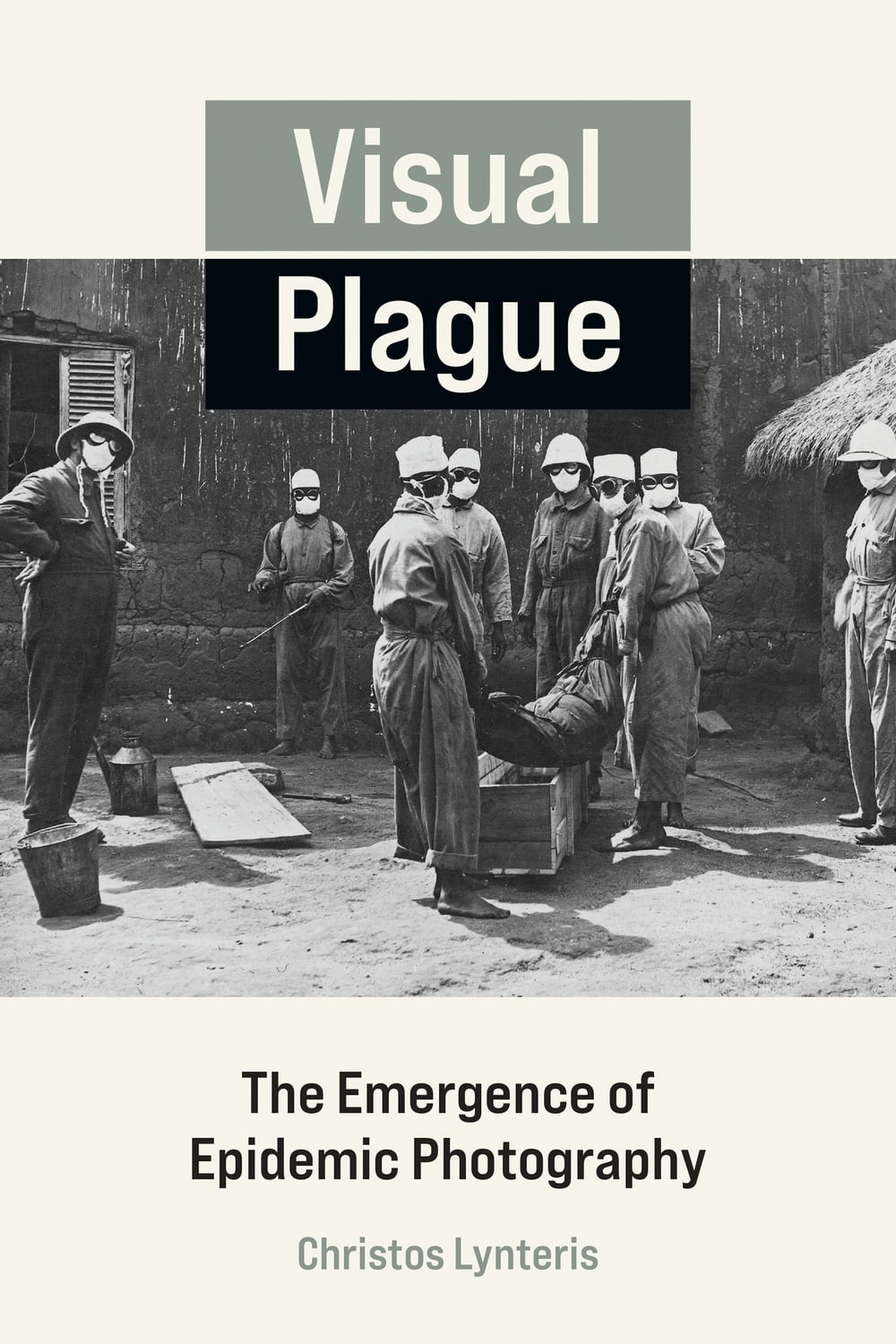



How epidemic photography during a global pandemic of bubonic plague contributed to the development of modern epidemiology and our concept of the “pandemic.” In Visual Plague, Christos Lynteris examines the emergence of epidemic photography during the third plague pandemic (1894–1959), a global pandemic of bubonic plague that led to over twelve million deaths. Unlike medical photography, epidemic photography was not exclusively, or even primarily, concerned with exposing the patient’s body or medical examinations and operations. Instead, it played a key role in reconceptualizing infectious diseases by visualizing the “pandemic” as a new concept and structure of experience—one that frames and responds to the smallest local outbreak of an infectious disease as an event of global importance and consequence. As the third plague pandemic struck more and more countries, the international circulation of plague photographs in the press generated an unprecedented spectacle of imminent global threat. Nothing contributed to this sense of global interconnectedness, anticipation, and fear more than photography. Exploring the impact of epidemic photography at the time of its emergence, Lynteris highlights its entanglement with colonial politics, epistemologies, and aesthetics, as well as with major shifts in epidemiological thinking and public health practice. He explores the characteristics, uses, and impact of epidemic photography and how it differs from the general corpus of medical photography. The new photography was used not simply to visualize or illustrate a pandemic, but to articulate, respond to, and unsettle key questions of epidemiology and epidemic control, as well as to foster the notion of the “pandemic,” which continues to affect our lives today.
-
Autore:
-
Anno edizione:2022
-
Editore:
-
Formato:
-
Lingua:Inglese
Compatibilità:
Tutti i dispositivi (eccetto Kindle) Scopri di più
Layout:
Reflowable
EAN:
9780262370929

Formato:
Gli eBook venduti da Feltrinelli.it sono in formato ePub e possono essere protetti da Adobe DRM. In caso di download di un file protetto da DRM si otterrà un file in formato .acs, (Adobe Content Server Message), che dovrà essere aperto tramite Adobe Digital Editions e autorizzato tramite un account Adobe, prima di poter essere letto su pc o trasferito su dispositivi compatibili.
Cloud:
Gli eBook venduti da Feltrinelli.it sono sincronizzati automaticamente su tutti i client di lettura Kobo successivamente all’acquisto. Grazie al Cloud Kobo i progressi di lettura, le note, le evidenziazioni vengono salvati e sincronizzati automaticamente su tutti i dispositivi e le APP di lettura Kobo utilizzati per la lettura.
Clicca qui per sapere come scaricare gli ebook utilizzando un pc con sistema operativo Windows
