










EBOOK IN LINGUA STRANIERA





The Age of Intoxication

25,78 €
+260
punti 
Venditore: Feltrinelli

Acquista online
Scaricabile subito
Articolo acquistabile con Carta del Docente

Articolo acquistabile con Carta Cultura Giovani e Carta del Merito

Articolo acquistabile con Carta della Cultura

Dati e Statistiche
 Salvato in 0 liste dei desideri
Salvato in 0 liste dei desideri
The Age of Intoxication
Scaricabile subito
25,78 €
25,78 €
Scaricabile subito

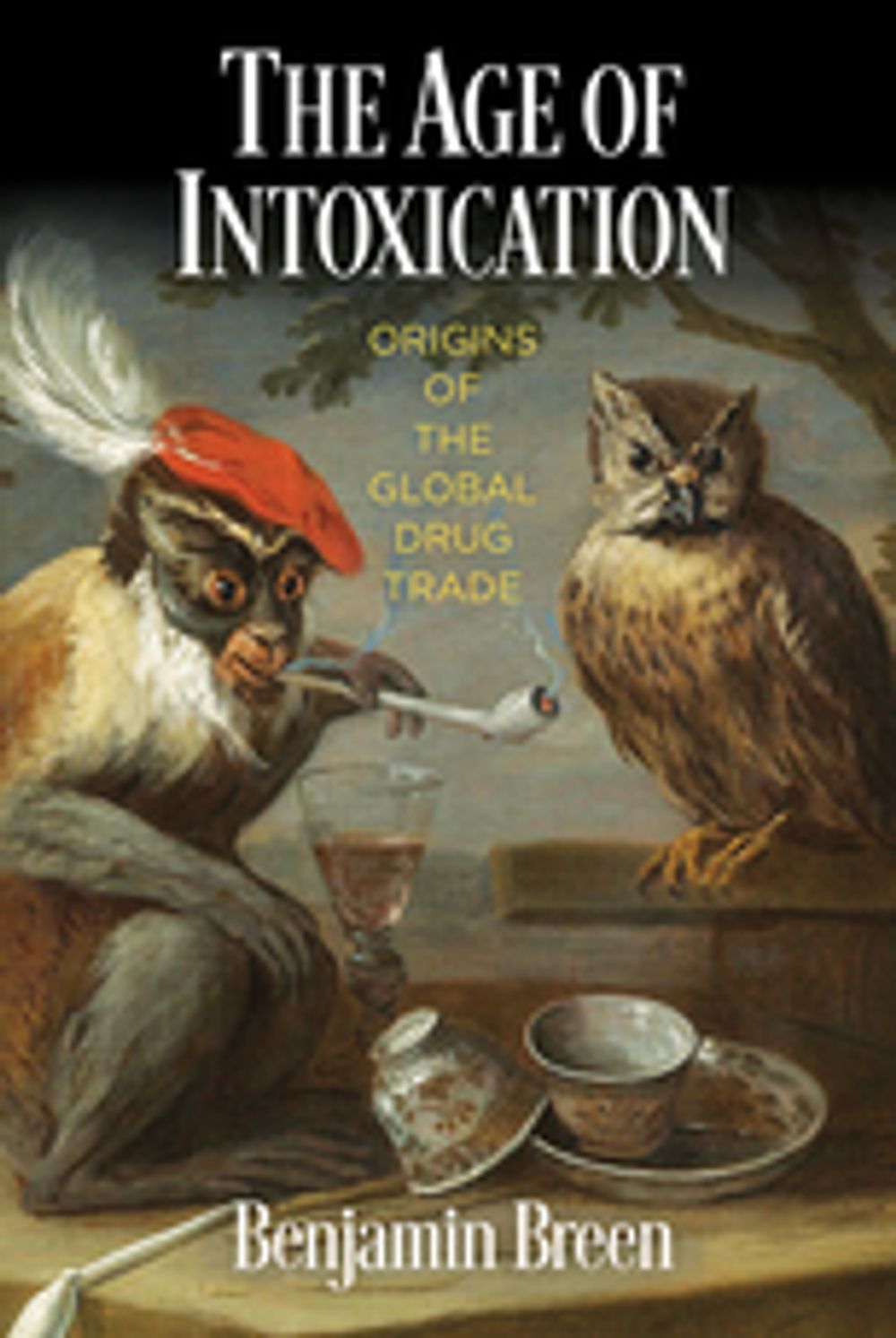



Eating the flesh of an Egyptian mummy prevents the plague. Distilled poppies reduce melancholy. A Turkish drink called coffee increases alertness. Tobacco cures cancer. Such beliefs circulated in the seventeenth and eighteenth centuries, an era when the term "drug" encompassed everything from herbs and spices—like nutmeg, cinnamon, and chamomile—to such deadly poisons as lead, mercury, and arsenic. In The Age of Intoxication, Benjamin Breen offers a window into a time when drugs were not yet separated into categories—illicit and licit, recreational and medicinal, modern and traditional—and there was no barrier between the drug dealer and the pharmacist. Focusing on the Portuguese colonies in Brazil and Angola and on the imperial capital of Lisbon, Breen examines the process by which novel drugs were located, commodified, and consumed. He then turns his attention to the British Empire, arguing that it owed much of its success in this period to its usurpation of the Portuguese drug networks. From the sickly sweet tobacco that helped finance the Atlantic slave trade to the cannabis that an East Indies merchant sold to the natural philosopher Robert Hooke in one of the earliest European coffeehouses, Breen shows how drugs have been entangled with science and empire from the very beginning. Featuring numerous illuminating anecdotes and a cast of characters that includes merchants, slaves, shamans, prophets, inquisitors, and alchemists, The Age of Intoxication rethinks a history of drugs and the early drug trade that has too often been framed as opposites—between medicinal and recreational, legal and illegal, good and evil. Breen argues that, in order to guide drug policy toward a fairer and more informed course, we first need to understand who and what set the global drug trade in motion.
-
Autore:
-
Anno edizione:2019
-
Editore:
-
Formato:
-
Lingua:Inglese
Compatibilità:
Tutti i dispositivi (eccetto Kindle) Scopri di più
Layout:
Reflowable
EAN:
9780812296624

Formato:
Gli eBook venduti da Feltrinelli.it sono in formato ePub e possono essere protetti da Adobe DRM. In caso di download di un file protetto da DRM si otterrà un file in formato .acs, (Adobe Content Server Message), che dovrà essere aperto tramite Adobe Digital Editions e autorizzato tramite un account Adobe, prima di poter essere letto su pc o trasferito su dispositivi compatibili.
Cloud:
Gli eBook venduti da Feltrinelli.it sono sincronizzati automaticamente su tutti i client di lettura Kobo successivamente all’acquisto. Grazie al Cloud Kobo i progressi di lettura, le note, le evidenziazioni vengono salvati e sincronizzati automaticamente su tutti i dispositivi e le APP di lettura Kobo utilizzati per la lettura.
Clicca qui per sapere come scaricare gli ebook utilizzando un pc con sistema operativo Windows
