









EBOOK IN LINGUA STRANIERA





Alternate Programmed Cell Death Signaling in Antiviral Host Defense

121,67 €
+1220
punti 
Venditore: Feltrinelli

Acquista online
Scaricabile subito
Articolo acquistabile con Carta del Docente

Articolo acquistabile con Carta Cultura Giovani e Carta del Merito

Articolo acquistabile con Carta della Cultura

Dati e Statistiche
 Salvato in 0 liste dei desideri
Salvato in 0 liste dei desideri
Alternate Programmed Cell Death Signaling in Antiviral Host Defense
Scaricabile subito
121,67 €
121,67 €
Scaricabile subito
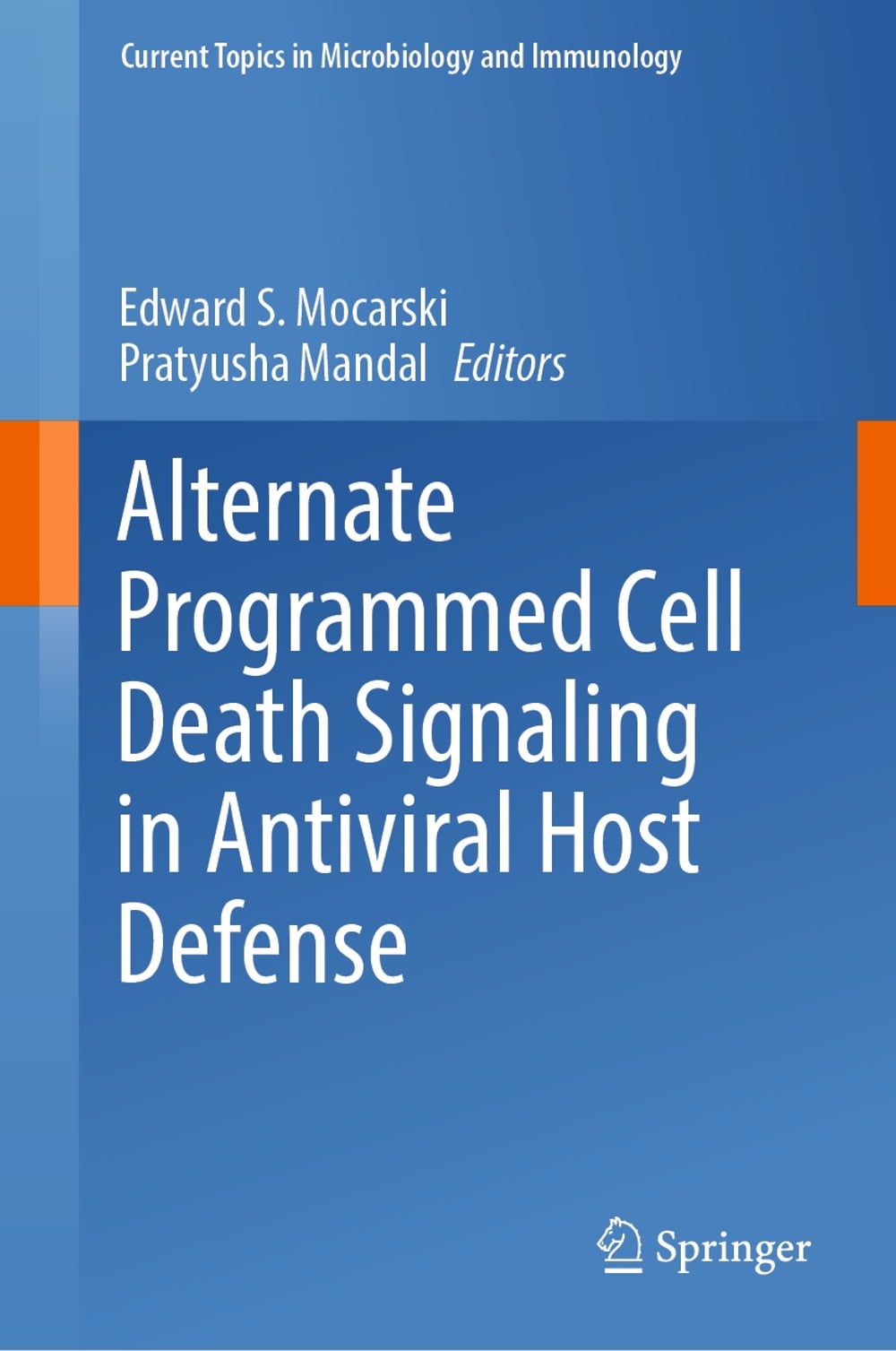


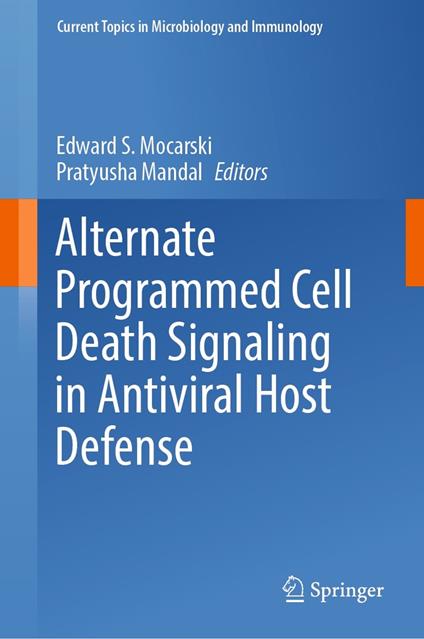
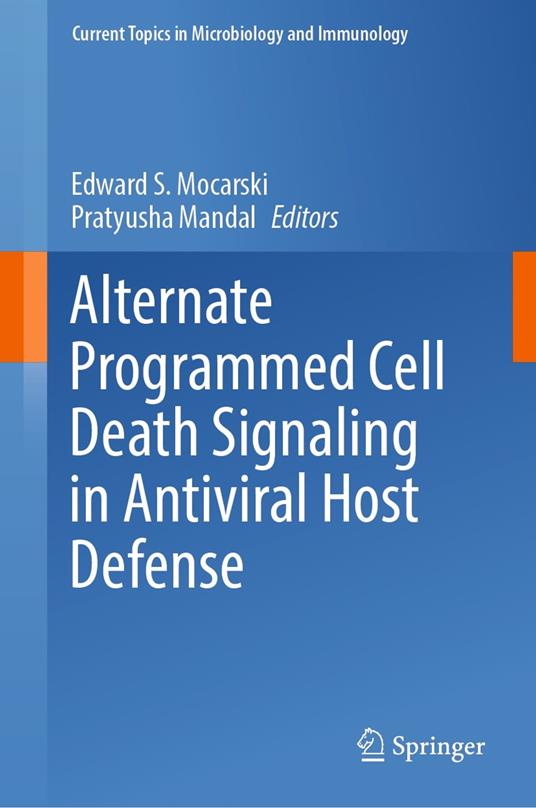
This volume provides a comprehensive review of programmed cell death pathways and their fundamental role in antiviral host defense. The book deep-dives into the molecular functions and regulation of necroptosis and discusses how viruses induce and manipulate this potent innate cellular sensing system. Initially, understanding of necroptosis emerged from studies on tumor necrosis factor (TNF) signaling that showed the key role of receptor interacting protein kinase 1 (RIPK1) in the activation of receptor interacting protein kinase 3 (RIPK3) which then phosphorylates mixed lineage kinase domain like pseudokinase (MLKL) to execute cells via plasma membrane leakage of cytosolic contents. Since its discovery, multiple facets of the RIPK3-dependent necroptotic machinery have evolved where the requirements for execution of death varies depending on the stimulus. Virus-induced necroptosis was discovered over 10 years ago in studies on murine cytomegalovirus (MCMV)where a virus-encoded inhibitor was shown to prevent the recruitment of RIPK3 (RIP3). This transformative evidence identified a novel pathway acting independent of TNF, interferon or RIPK1 that can stop virus from infecting its natural mouse host by killing off infected cells to halt replication. Over the past decade influenza A virus (IAV), herpes simplex virus (HSV) and poxvirus vaccinia (VACV) have all been shown to trigger the pathway. Herpesviruses and poxviruses also encode inhibitors of caspase-8 whose elaboration unleashes the necroptosis pathway. IAV and other RNA viruses do not encode programmed cell death inhibitors. RIPK3 is also known to induce apoptosis by recruiting RIPK1 as shown nearly a decade ago and this dual apoptosis/necroptosis induction occurs naturally during influenza A virus infection. RIPK3 is also able to induce an inflammatory response independently of programmed cell death that can predominate to drive inflammatory disease outcomes. This volume is a must-read for researchers and advanced students in immunology and virology.
-
Curatore:
-
Anno edizione:2023
-
Editore:
-
Formato:
Lingua:
Inglese
Compatibilità:
Tutti i dispositivi (eccetto Kindle) Scopri di più
Layout:
Reflowable
EAN:
9783031452789

Formato:
Gli eBook venduti da Feltrinelli.it sono in formato ePub e possono essere protetti da Adobe DRM. In caso di download di un file protetto da DRM si otterrà un file in formato .acs, (Adobe Content Server Message), che dovrà essere aperto tramite Adobe Digital Editions e autorizzato tramite un account Adobe, prima di poter essere letto su pc o trasferito su dispositivi compatibili.
Cloud:
Gli eBook venduti da Feltrinelli.it sono sincronizzati automaticamente su tutti i client di lettura Kobo successivamente all’acquisto. Grazie al Cloud Kobo i progressi di lettura, le note, le evidenziazioni vengono salvati e sincronizzati automaticamente su tutti i dispositivi e le APP di lettura Kobo utilizzati per la lettura.
Clicca qui per sapere come scaricare gli ebook utilizzando un pc con sistema operativo Windows
